DMZ - QUANG TRI

Quảng Trị Province once held a particularly important place in Vietnam’s history. It was here that the former Demilitarized Zone (DMZ) ran along the 17th parallel, serving as a temporary dividing line between North Vietnam, officially known as the Democratic Republic of Vietnam, and South Vietnam, officially known as the Republic of Vietnam.

Due to its geographical and political position, Quảng Trị became one of the most fiercely contested battlegrounds of the Vietnam War between 1954 and 1975. Many sites throughout the province still bear the scars of this painful period, making Quảng Trị an important place of remembrance for understanding Vietnam’s modern history.

In mid-June 1972, a counteroffensive was launched to recapture Quảng Trị town. One of the key strategic locations during this campaign was the ancient Quảng Trị Citadel. The fighting around the citadel was among the fiercest of the war, particularly during the period often referred to as the “Fiery Red Summer” of 1972.

(Photo: Archive)

For 81 days and nights, from June 28 to September 16, 1972, both sides fought fiercely for every metre of ground. Intense bombardments almost completely destroyed the town and its historic citadel. Thousands of soldiers lost their lives during this tragic battle.

Today, Quảng Trị Citadel is more than just a historical landmark. It is also a place of remembrance, reflection and peace, reminding visitors of the sacrifices of the past and the profound importance of reconciliation.


Best Time to Visit Quảng Trị

Quảng Trị can be visited all year round, with each season offering its own unique charm.


Places to Visit in the DMZ – Quảng Trị

Rockpile Hill

(Photo: Archive)

Rockpile Hill, rising approximately 230 metres above the surrounding landscape, was one of the most important observation posts in the former Demilitarized Zone (DMZ). Its steep, rugged terrain made access extremely difficult, as there were no roads allowing easy travel to or from the summit.

During the Vietnam War, supplies had to be delivered almost entirely by helicopter. Water, food, materials and equipment were transported by air. Living conditions were particularly harsh for the American soldiers stationed there. According to several accounts, water was sometimes sprayed from helicopters so that soldiers could wash themselves, while dirty clothes were collected and sent elsewhere to be laundered.

Today, Rockpile remains a site of great historical significance, offering visitors a glimpse into the logistical challenges, harsh conditions and strategic importance of this region during the Vietnam War.

Vinh Môc Tunnels

The Vịnh Mốc Tunnels are one of the most remarkable historical sites in Quảng Trị Province. Construction began in 1965 and was completed in 1967. The tunnels were built to protect local residents from bombing raids, allowing them to continue living, working and supporting resistance activities under extremely difficult conditions.

The main tunnel network extends for more than 2,000 metres. Inside, everything was carefully organised to meet the daily needs of hundreds of people. Small alcoves were carved into the tunnel walls to provide living spaces for families. Each modest but functional space could accommodate three to four people.

(Photo: Archive)

The tunnels also included three wells, a meeting room capable of accommodating around 50 people, a medical station, a maternity ward, an operating room, a Hoàng Cầm kitchen, a rice storage facility and even a telephone station. This remarkable organisation reflects the ingenuity and determination of local people to preserve everyday life in the midst of war.

The tunnel system was arranged on three levels. The first, approximately 12 to 15 metres underground, was mainly used for defensive operations and temporary shelter. The second level, at a depth of around 18 metres, was dedicated to the daily lives of residents and also housed local administrative and military facilities. The third level, approximately 22 metres underground, served as a logistical storage area, particularly supporting Cồn Cỏ Island and military operations in the surrounding region.

According to estimates, nearly 18,000 person-days of labour were required to excavate these tunnels through the red basaltic soil. Thanks to the unique properties of this soil, which gradually hardened when exposed to air, the Vịnh Mốc Tunnels have remained remarkably well preserved to this day.

More than just an underground shelter, Vịnh Mốc stands as a moving testament to the resilience, courage and resourcefulness of the people of Quảng Trị during the war years.

Hiên Luong Bridge

(Photo: Archive)

Hiền Lương Bridge is one of the most important historical landmarks in Quảng Trị Province. Located across the Bến Hải River, it was once associated with the temporary dividing line between North and South Vietnam following the Geneva Accords of 1954.

Before the bridge was built, this section of the Bến Hải River, less than 100 metres wide, could only be crossed by ferry. The first Hiền Lương Bridge was constructed in 1928 by the Vĩnh Linh authorities with the participation of local residents. At the time, it was a simple wooden bridge supported by iron piles, approximately 2 metres wide and mainly intended for pedestrians.

In 1931, the bridge was repaired, but vehicles still had to cross the river by ferry. In 1943, it was upgraded again to allow small motor vehicles to pass.

In 1950, to meet military needs, the French rebuilt the bridge using reinforced concrete. At that time, it measured approximately 162 metres in length and 3.6 metres in width, with a load capacity of 10 tonnes. However, this bridge lasted only two years before being destroyed to slow the advance of French troops.

In May 1952, a new bridge was constructed. Measuring 178 metres in length, it consisted of seven spans, reinforced concrete pillars, steel beams and a deck made of pinewood. The bridge was approximately 4 metres wide, with railings on both sides, and could support loads of up to 18 tonnes.

Over the years, Hiền Lương Bridge has become much more than a simple river crossing. Today, it remains a deeply moving place of remembrance, recalling a time when the country was divided, as well as the Vietnamese people’s profound desire for reunification and peace.

Quang Tri Citadel

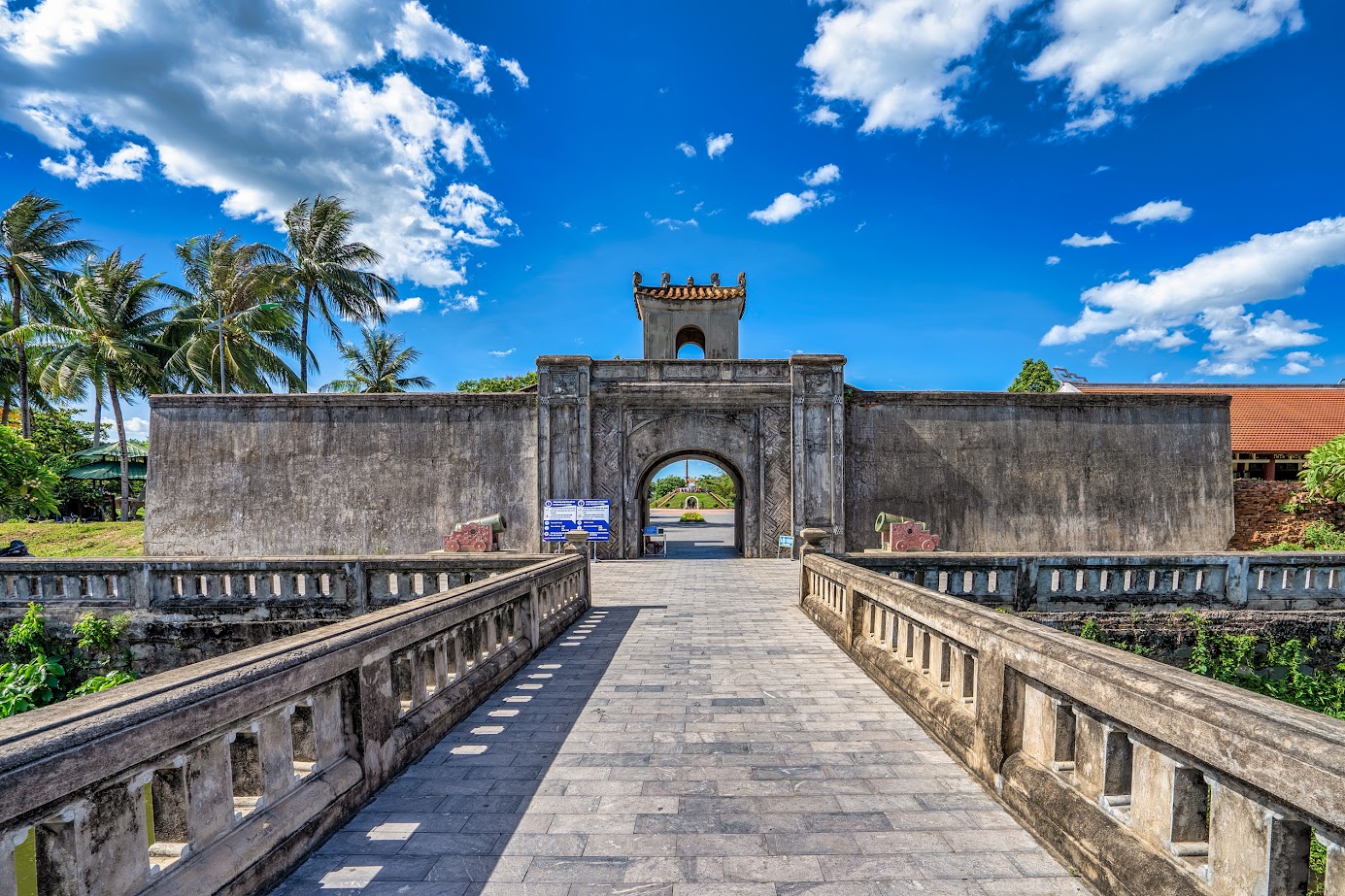
Quảng Trị Citadel is one of the most moving historical sites in central Vietnam. Located in the heart of Quảng Trị town, it is closely associated with the fierce fighting of the summer of 1972, known as the “81 Days and Nights” of Quảng Trị.

Originally built as a military fortress, the citadel became the scene of an intense battle during the Vietnam War. For 81 days, from June 28 to September 16, 1972, fierce fighting raged across the area. The town was almost completely destroyed by bombardments, and thousands of soldiers lost their lives on this battlefield.

(Photo: Archive)

Today, Quảng Trị Citadel is much more than a historical landmark. It has become a place of remembrance, reflection and peace. Visitors come here not only to gain a deeper understanding of a painful chapter in Vietnam’s history, but also to pay tribute to those who lost their lives.

In the peaceful atmosphere that now surrounds the site, among the restored ramparts, memorial monuments and commemorative spaces, the citadel conveys a profound message about remembrance, reconciliation and the precious value of peace.

Former Tà Con Air Base

(Photo: Archive)

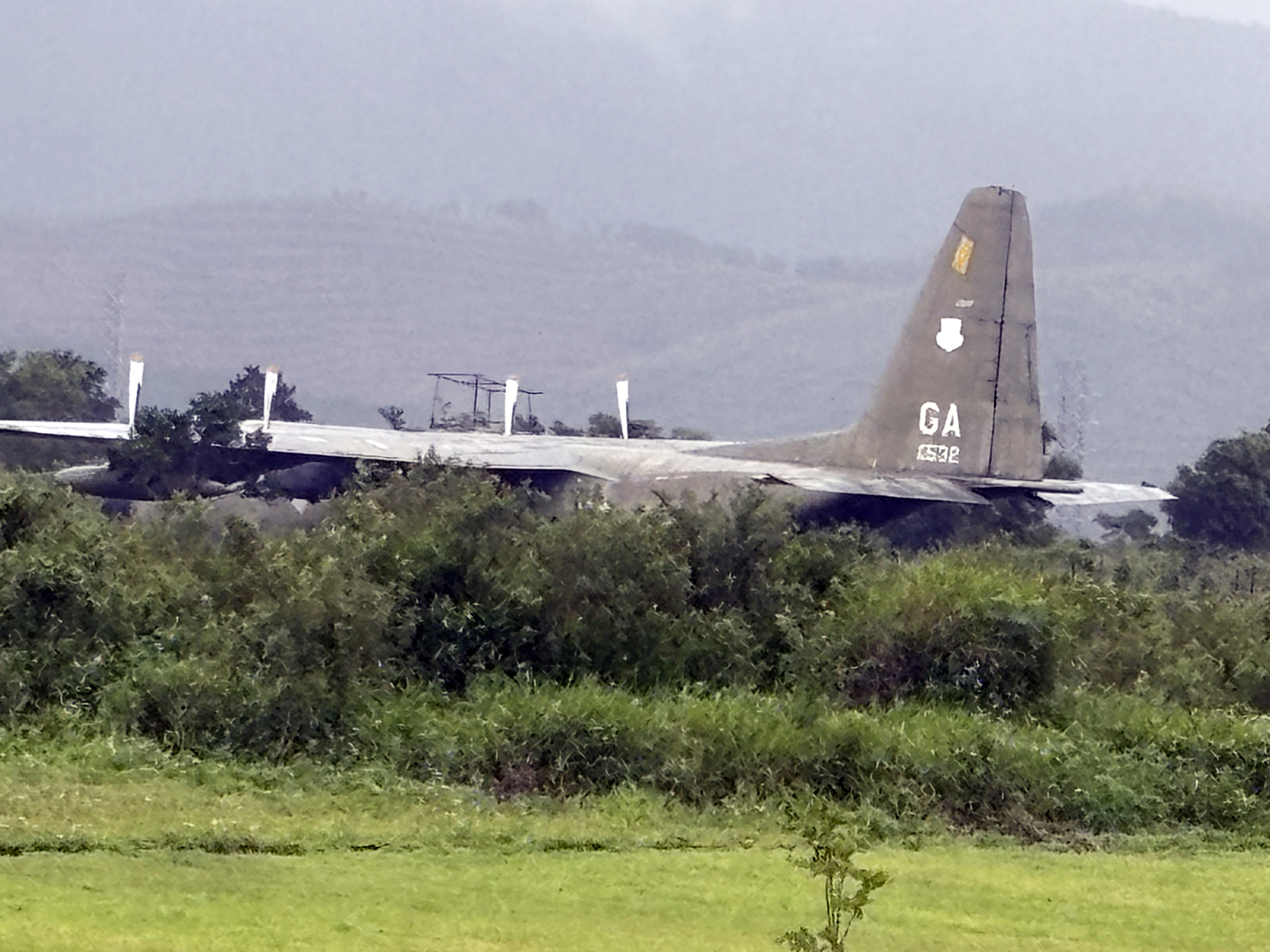
The former Tà Cơn Air Base, located in the Khe Sanh area, is one of the important historical sites in Quảng Trị Province. During the Vietnam War, it was part of the Khe Sanh military complex, a strategic position near the former Demilitarized Zone (DMZ).

Due to its geographical location in a mountainous region close to the Laotian border, Tà Cơn played a significant military role. The base was used for transport, supply operations and military aviation activities. It became particularly well known during the Battle of Khe Sanh, one of the most significant episodes of the war in this region.

Today, the former Tà Cơn Air Base has been transformed into a historical memorial site. Visitors can explore various military relics, including aircraft, helicopters, tanks, artillery pieces and bunkers, all recalling the strategic importance of this former base.

A visit to Tà Cơn offers a deeper understanding of wartime conditions in the mountains of Quảng Trị, as well as the role of Khe Sanh in Vietnam’s modern history. Surrounded by peaceful landscapes yet filled with reminders of the past, this site offers a thought-provoking and deeply moving historical experience.