


NORTHERN VIETNAM
HANOI
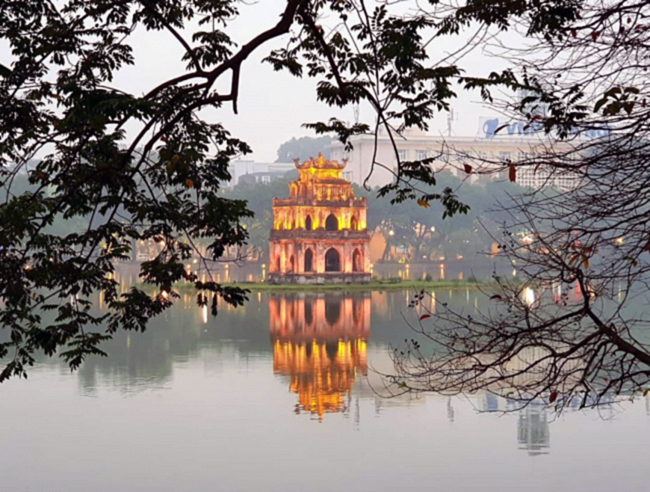
Hoàn Kiếm Lake
Hoàn Kiếm Lake is often referred to as the “heart” of Hanoi. It is not only a popular destination for visitors from around the world, but also a place of great cultural and historical significance to Vietnam.

Imperial Citadel of Thăng Long
The citadel was built on the remains of a Chinese fortress dating back to the 7th century, on land reclaimed from the Red River.
Its architecture is distinctive, combining Chinese and Cham influences. It stands as an important testament to the independence of Đại Việt.
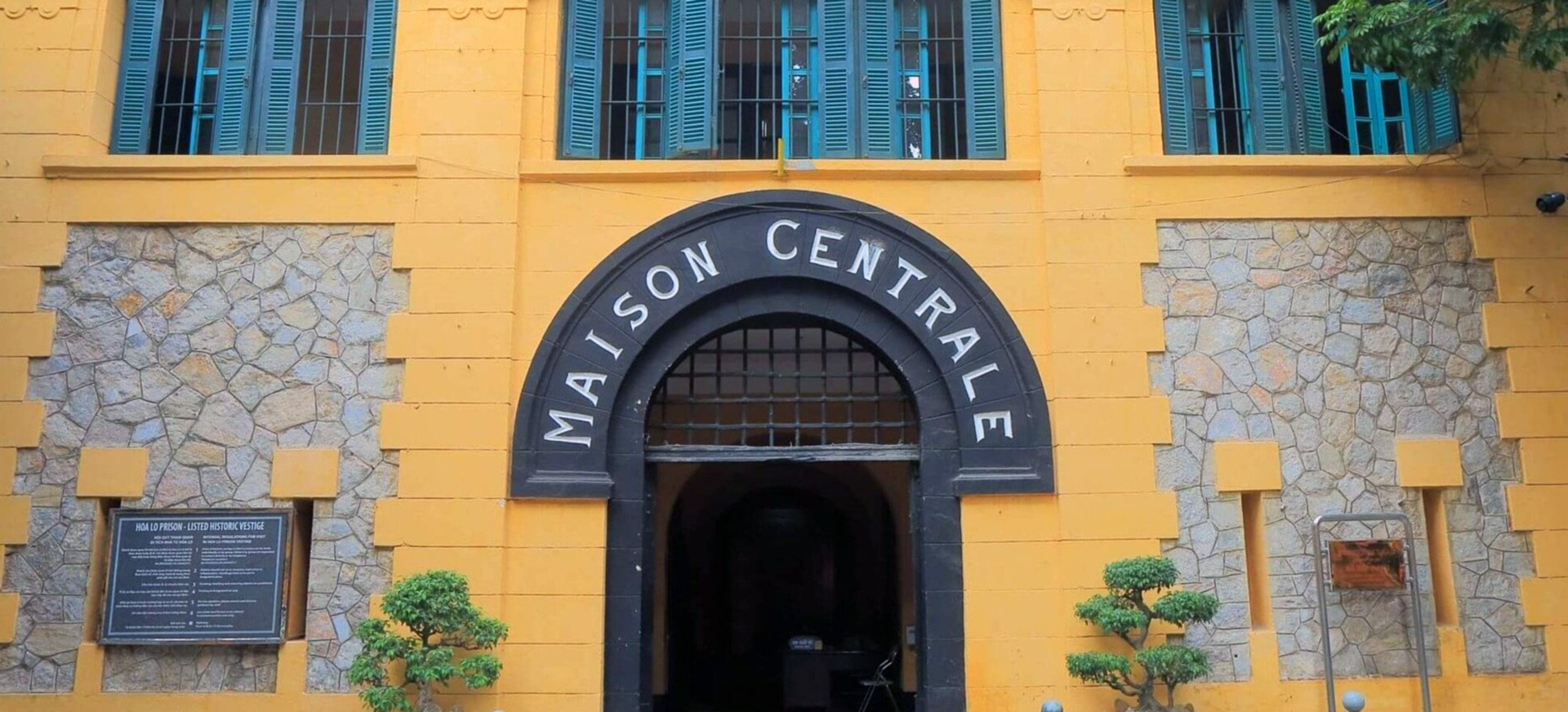
Hỏa Lò Prison
The prison was built in an area of Hanoi where many merchants selling wood- and charcoal-burning stoves were concentrated. Its main entrance opened onto Hỏa Lò Street, a name that can be translated as “furnace,” which is how the prison came to be known.
Covering an area of 12,908 m², it was at the time one of the largest prisons in Indochina.
MAI CHÂU

Lac Village
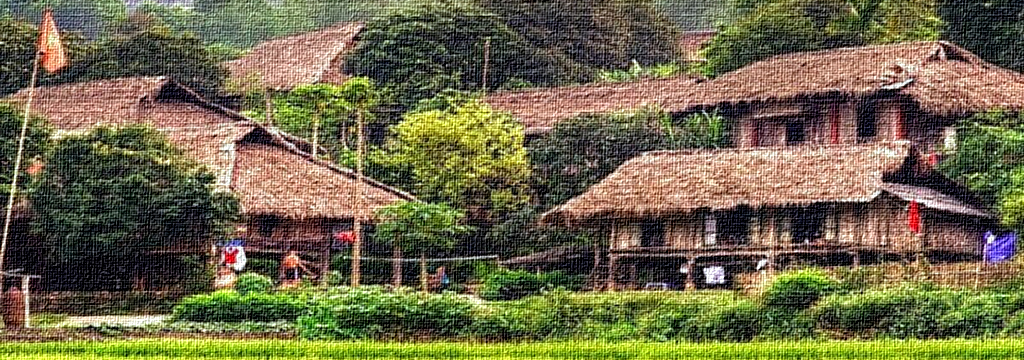
Lac Village is a remarkable tourist destination in the Mai Chau Valley. More than 700 years old, it is considered one of the oldest settlements of the White Thai community in Mai Chau.
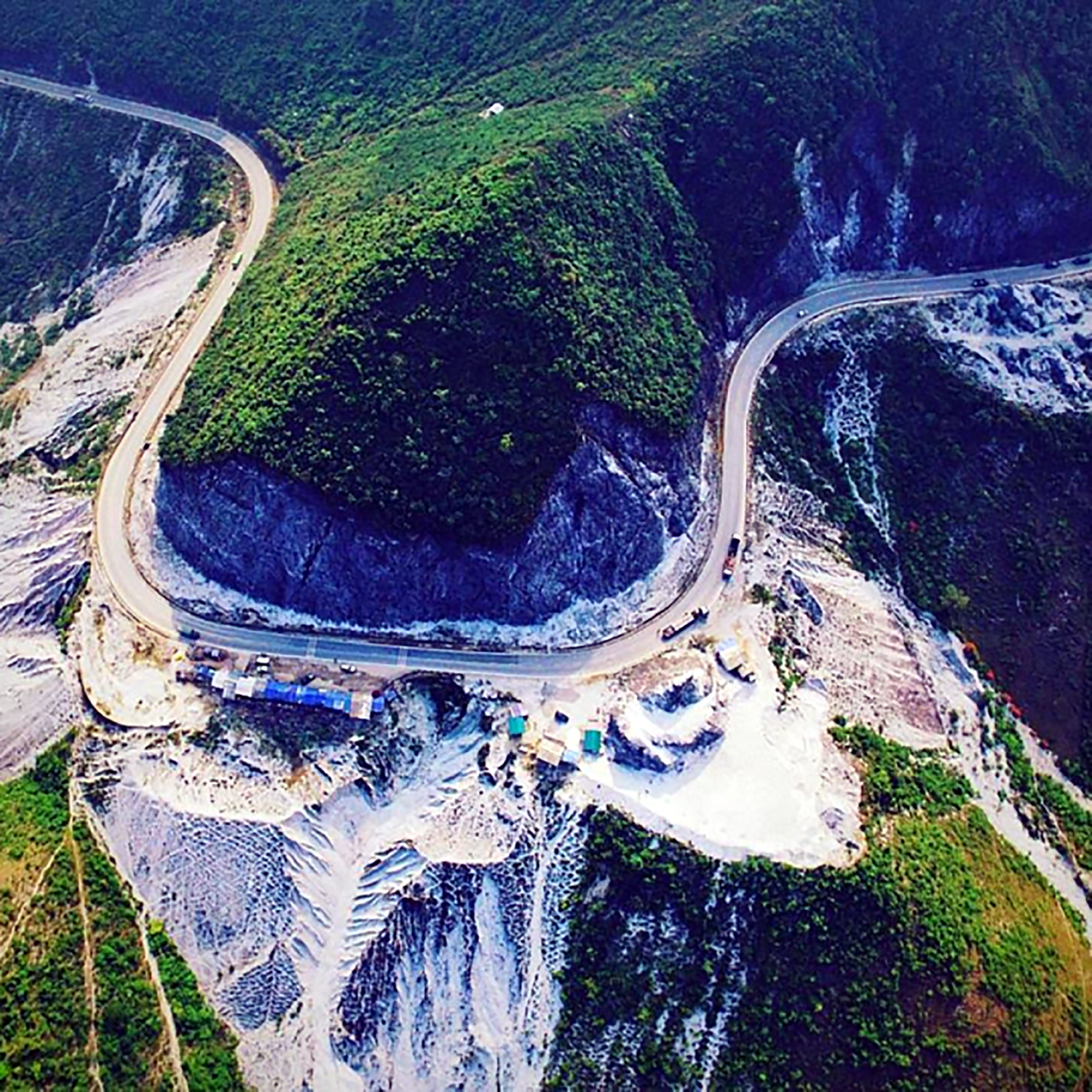
Thung Khe Pass
Thung Khe Pass, also known as White Stone Pass, is sometimes covered in white clouds under certain weather conditions, creating a majestic and beautiful landscape. When the clouds clear, visitors can enjoy sweeping views of the valley below.
For this reason, many travellers also refer to it as the “White Pass.”

Pom Coọng village
In the Thai language, “Pom” means hill and “Coọng” means drum. “Pom Coọng” refers to a hill resting on a large drum. More simply, the name evokes the vast fields surrounding the village.
DIEN BIEN PHU
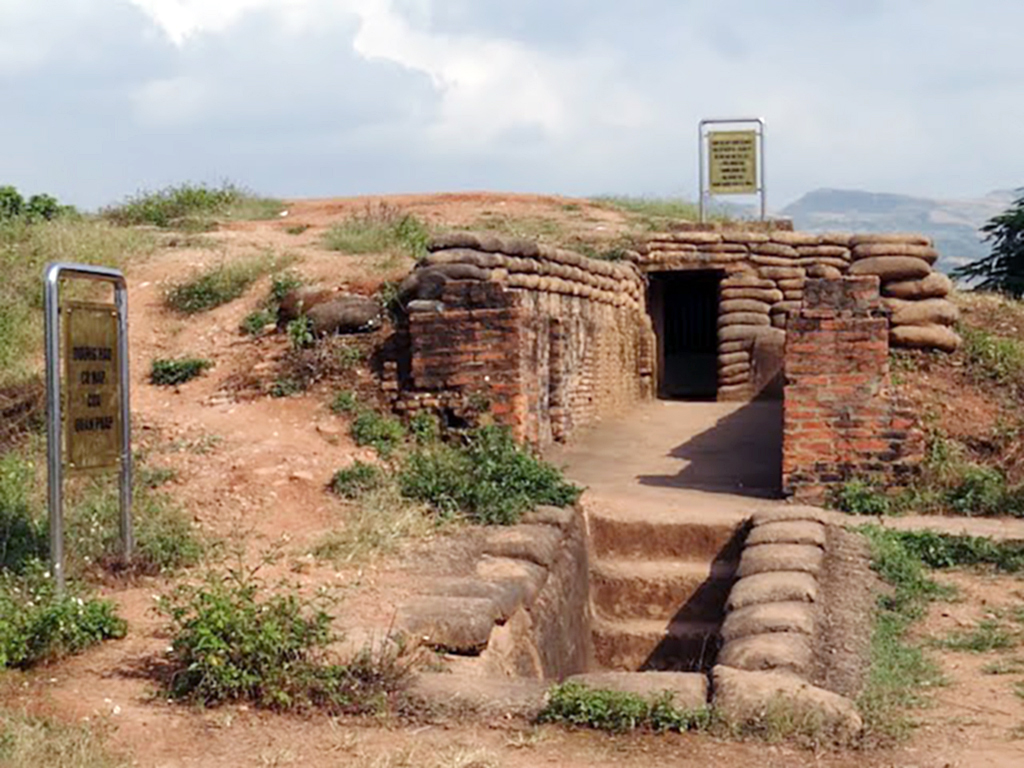
A1 Hill
A1 Hill, also known as Éliane 2, was one of the most important strategic positions during the Battle of Điện Biên Phủ against French forces.
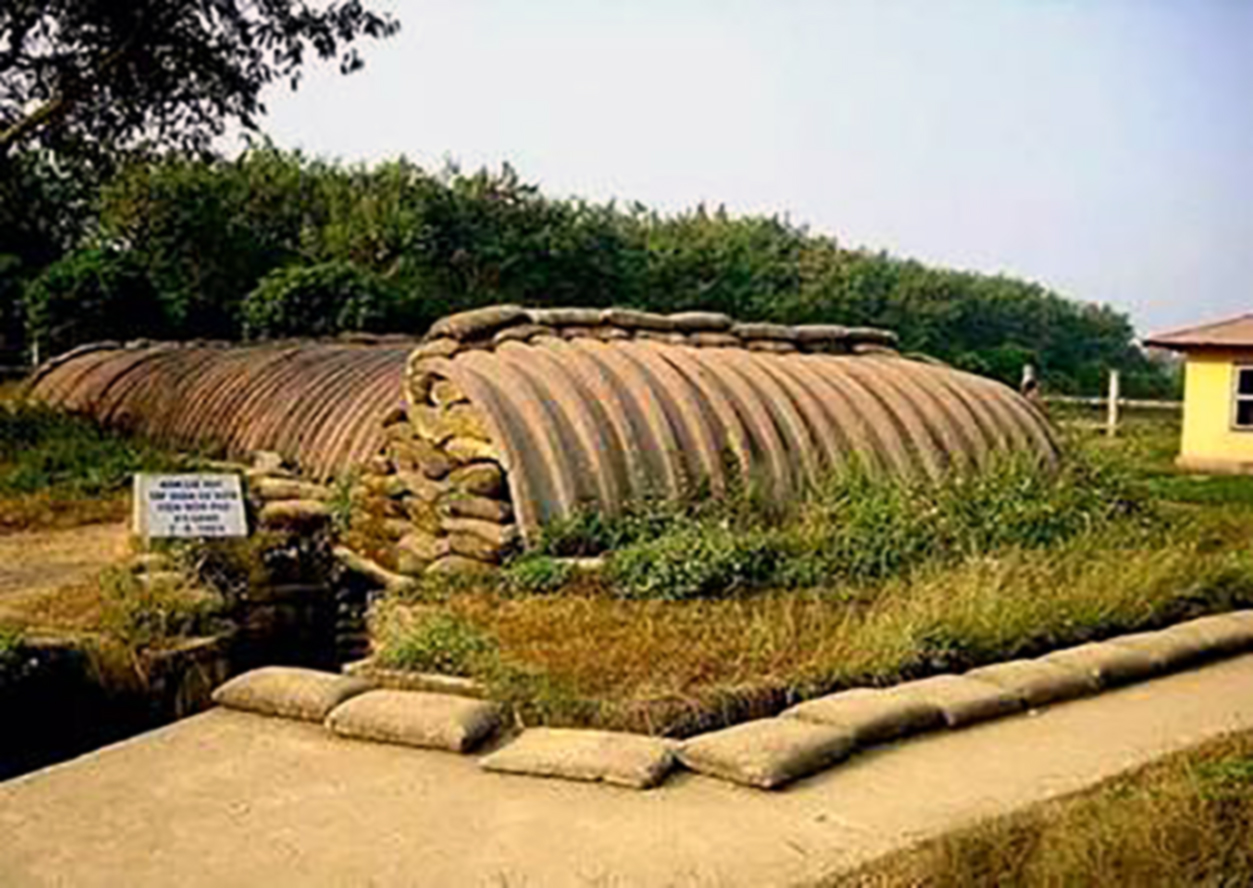
Christian de Castries’ Bunker
The command post of the Điện Biên Phủ fortified camp, also known as De Castries’ bunker, was located at the centre of the camp.
The bunker measures 20 metres long and 8 metres wide and is divided into four sections. It served as the workplace and resting area of General Christian de Castries and the headquarters staff of the Điện Biên Phủ fortified camp.
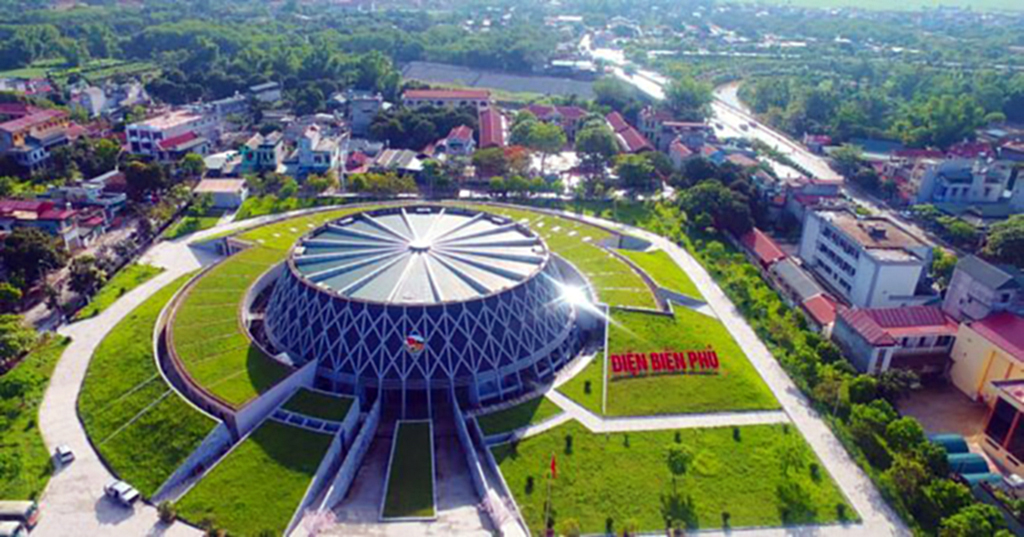
Điện Biên Phủ Historical Victory Museum
The Điện Biên Phủ Historical Victory Museum is dedicated to preserving and honouring the historical significance of the remarkable victory that resonated far beyond Vietnam.
The museum presents the key events of this decisive battle in a clear and comprehensive way, highlighting its geopolitical importance and its lasting impact on world history.
SAPA
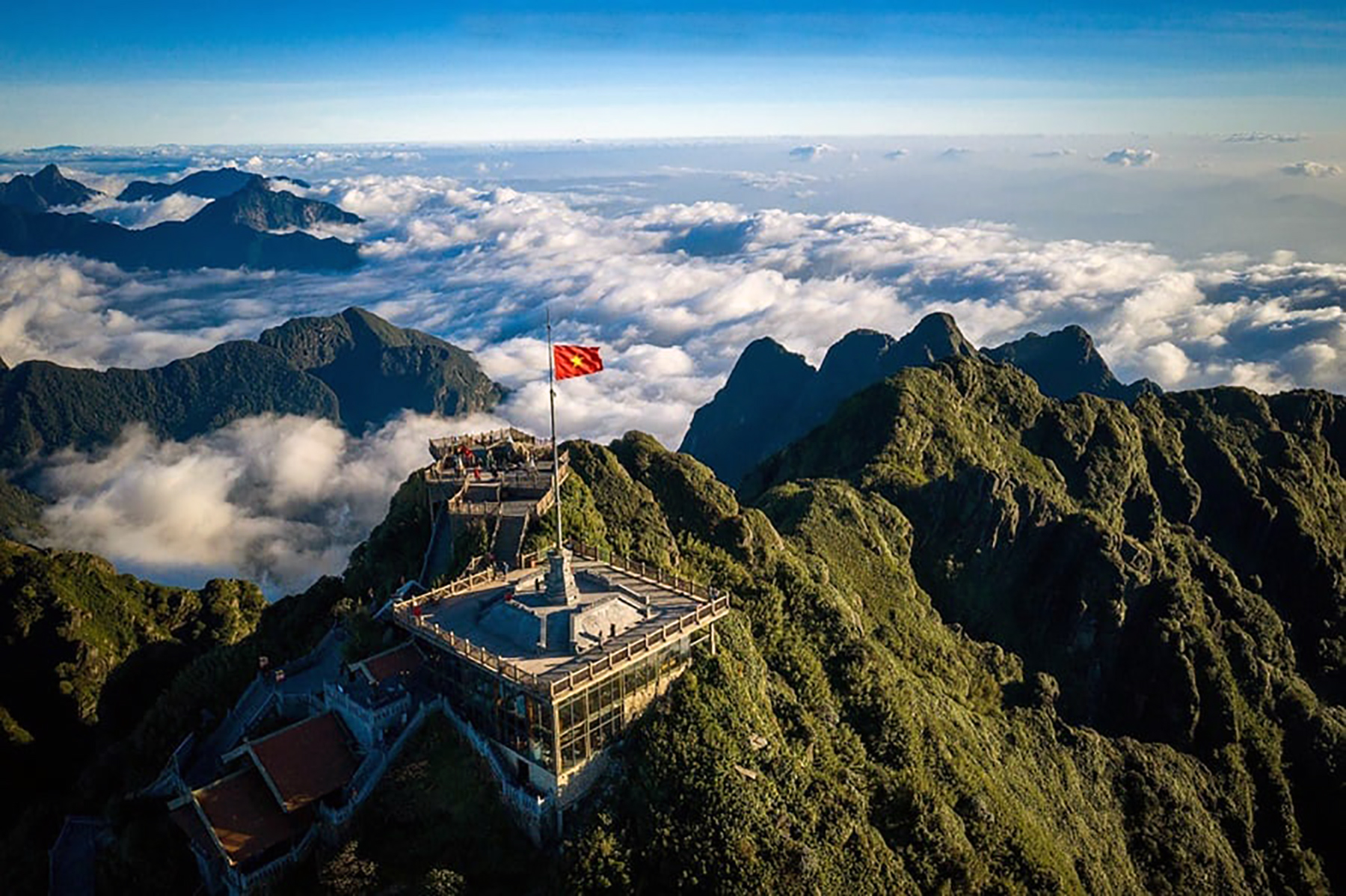
Fansipan
Le Fansipan (orthographes alternatives Phan Xi Păng, Fan Si Pan). Appelée le toit du Việt Nam, haute de 3 143 m, elle est le point culminant de l’Indochine. Le sommet fait partie de la chaîne de montagnes Hoàng Liên Sơn.
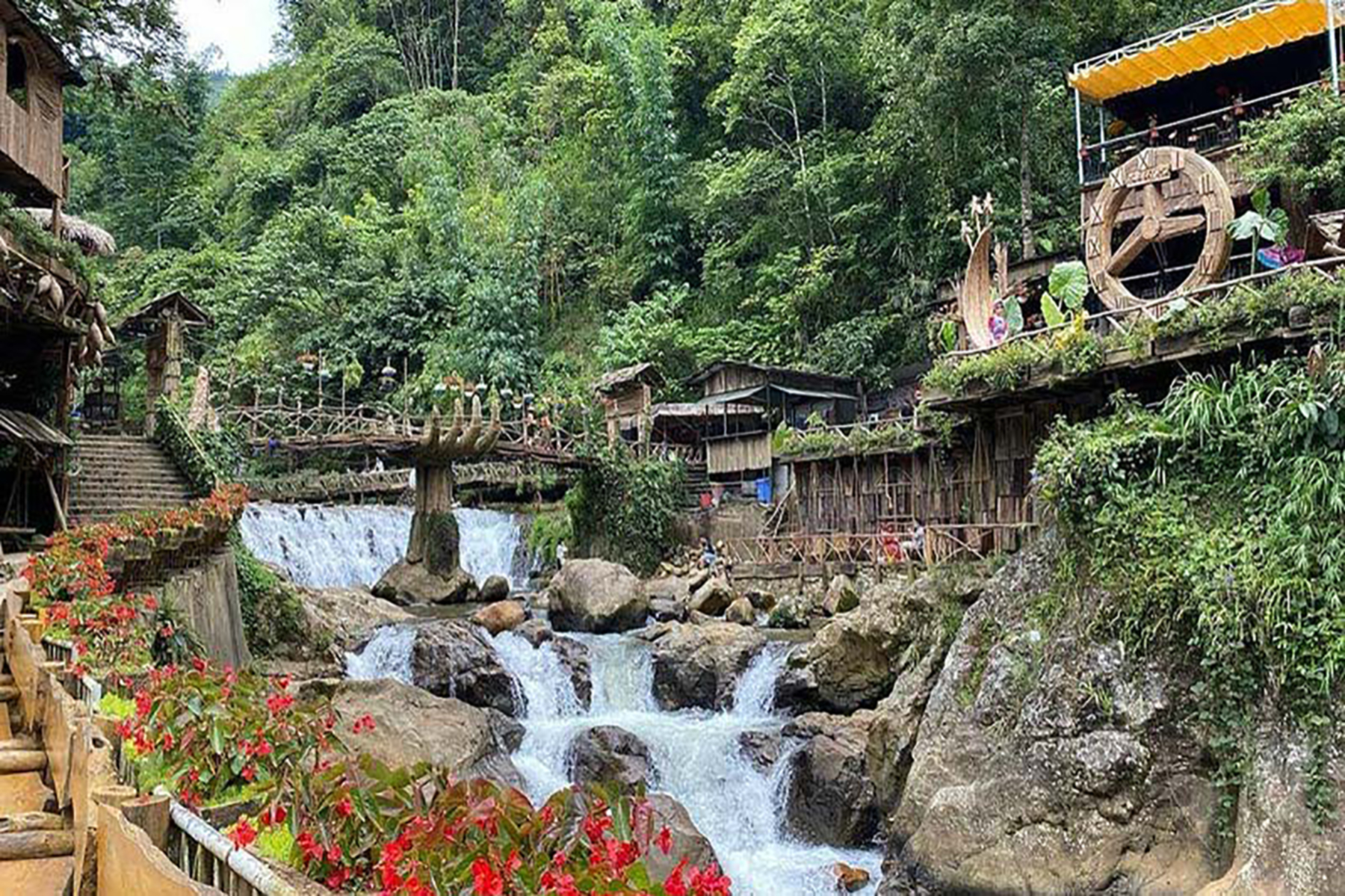
Village de Cat Cat
Cát Cát est le principal lieu de vie de la communauté ethnique H’Mông. Il est surnommé le plus beau village ancien du Nord-Ouest en raison de sa culture unique, de son architecture traditionnelle distinctive et de ses paysages pittoresques.
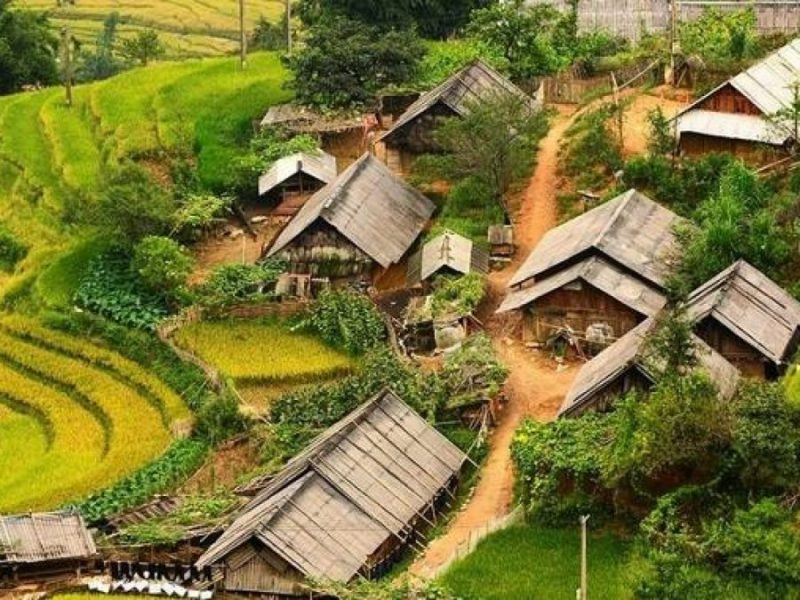
Villa Tả Van
En langue Hmong, “Tả Van” signifie “grande arche”, car le village est adossé à la chaîne de montagnes Hoàng Liên Sơn et fait face au ruisseau sinueux de Mường Hoa. Le village de Tả Van est depuis longtemps habité par la communauté Hmong, et il abrite également des populations Dao rouges et Giáy.