HÔI AN

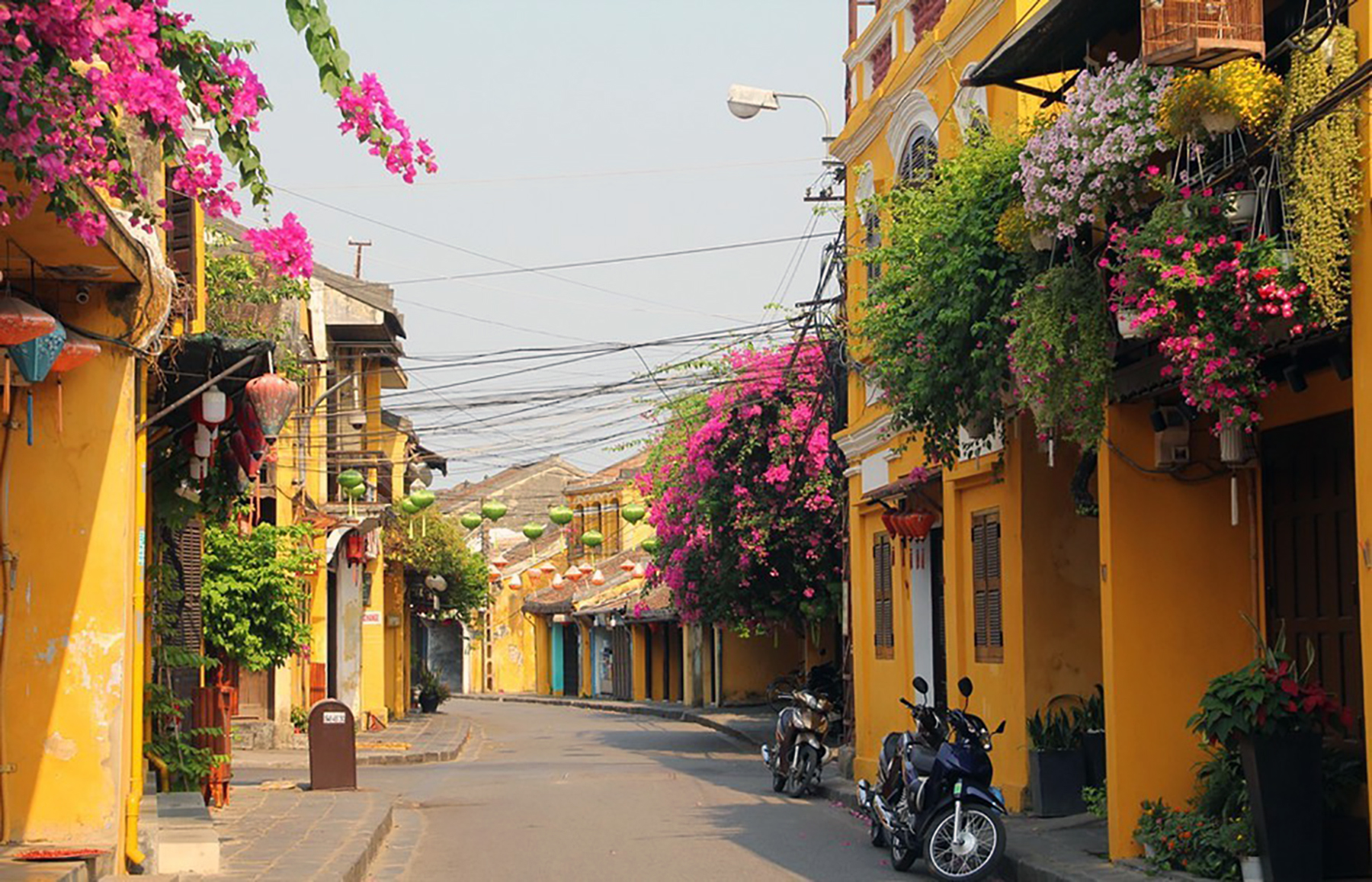
Located on the northern bank of the lower Thu Bồn River, Hội An is a historic town in the former Quảng Nam Province, just over 30 km from Đà Nẵng and approximately 122 km from Huế. Mention Hội An, and images of yellow-painted ancient houses, peaceful narrow streets, colourful lanterns and a river softly illuminated at night immediately come to mind.

Hội An Ancient Town is undoubtedly the town’s most iconic attraction. With its traditional houses, temples, former merchants’ residences and timeless atmosphere, it offers visitors a charming journey through history, craftsmanship and the gentle rhythm of local life.

(Photo: Archive)

Located on the northern bank of the lower Thu Bồn River, Hội An is a historic town in the former Quảng Nam Province, just over 30 km from Đà Nẵng and approximately 122 km from Huế. Mention Hội An, and images of yellow-painted ancient houses, peaceful narrow streets, colourful lanterns and a river softly illuminated at night immediately come to mind.

Hội An Ancient Town is undoubtedly the town’s most iconic attraction. With its traditional houses, temples, former merchants’ residences and timeless atmosphere, it offers visitors a charming journey through history, craftsmanship and the gentle rhythm of local life.

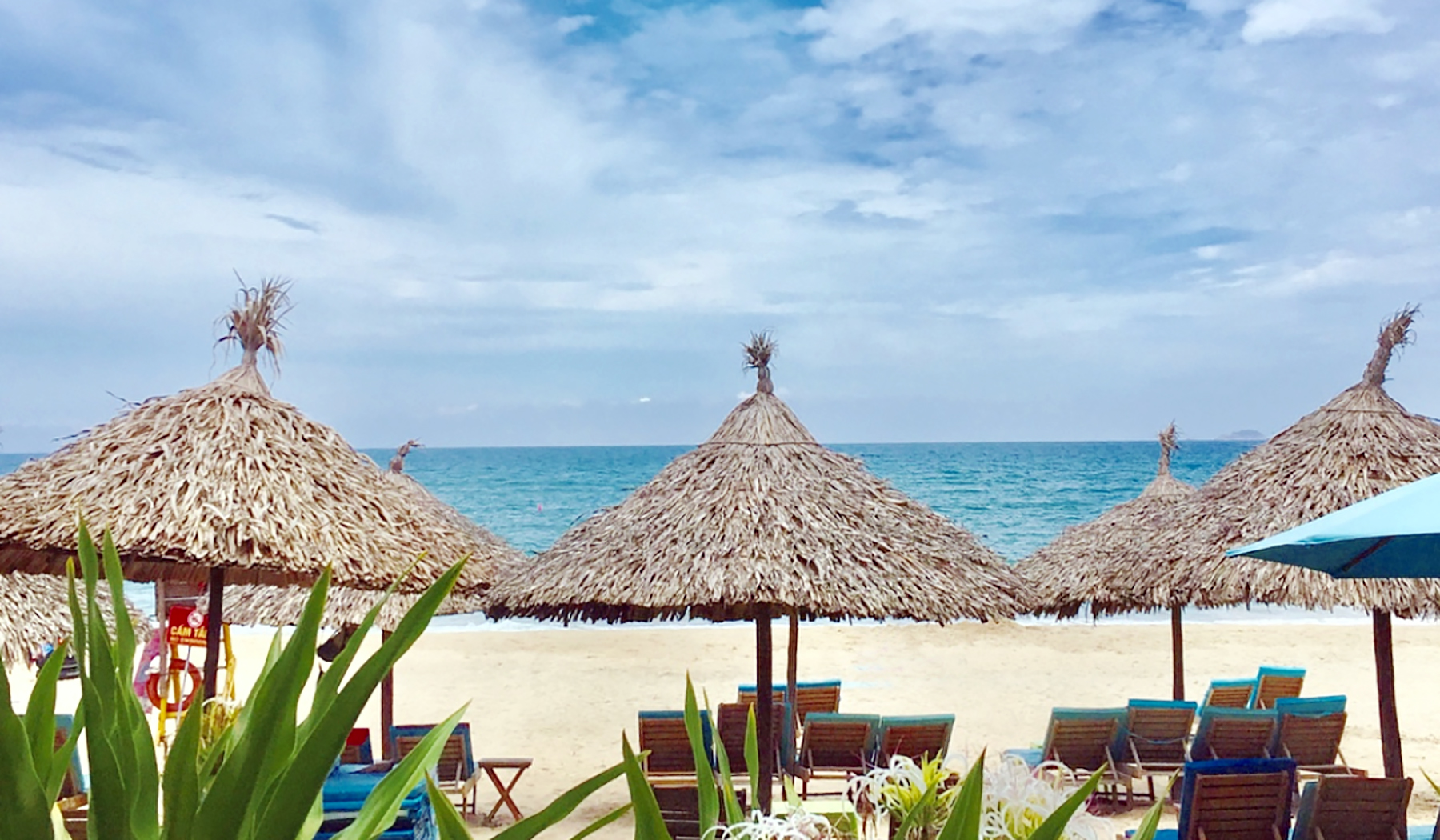
An Bàng Beach, located in the Cẩm An area, is approximately 3 km from the centre of Hội An. With its soft, light-coloured sand, calm waters and peaceful atmosphere, it offers a more relaxed setting than larger seaside resorts. It is one of the most popular beaches among travellers looking to unwind and enjoy a relaxing escape by the sea.

(Photo: Archive)

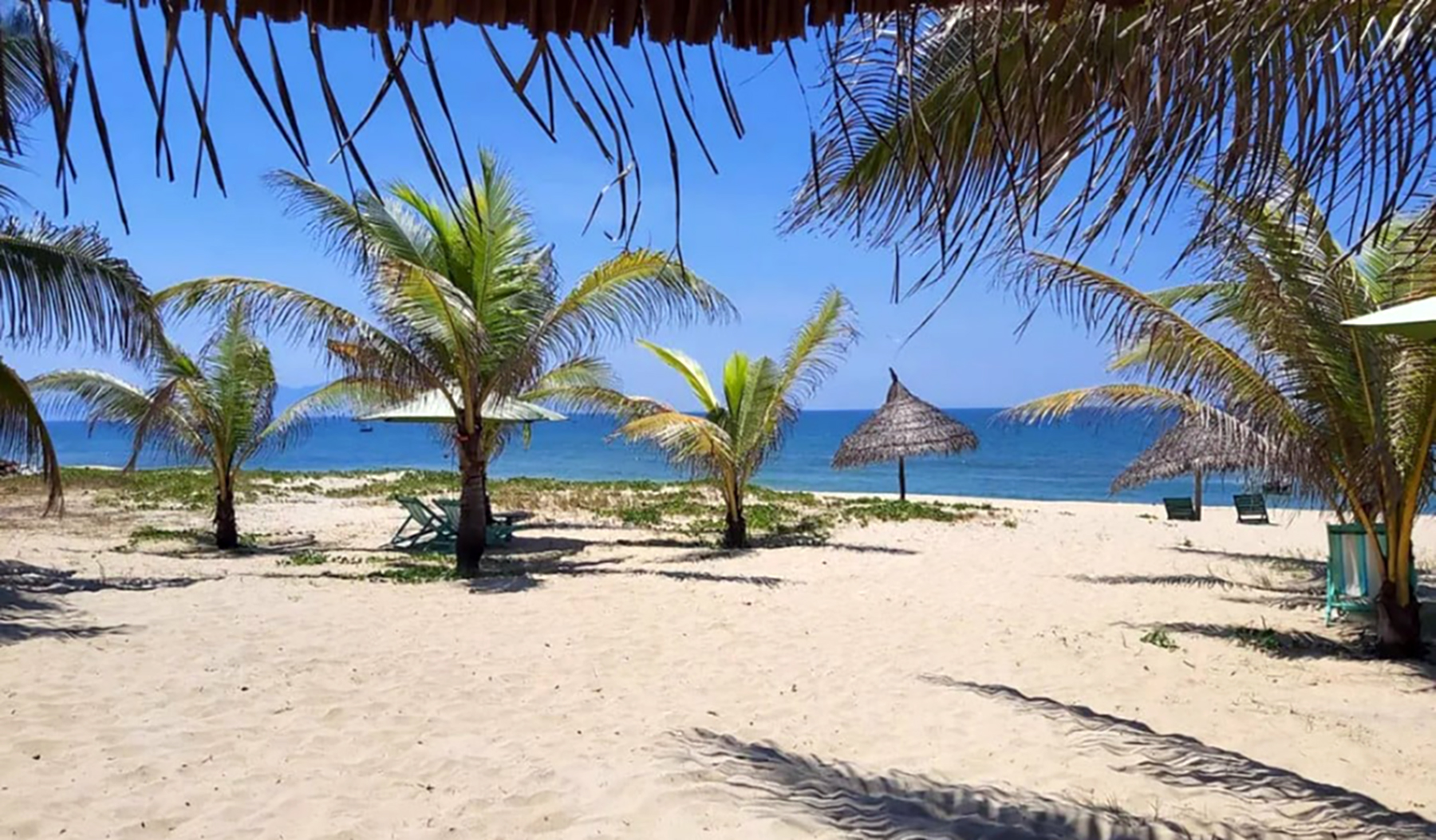
A little further away, Hà My Beach offers a quiet and peaceful atmosphere. Less well known than other beaches in the region, it charms visitors with its wide-open spaces, simplicity and unspoilt natural surroundings.

(Photo: Archive)

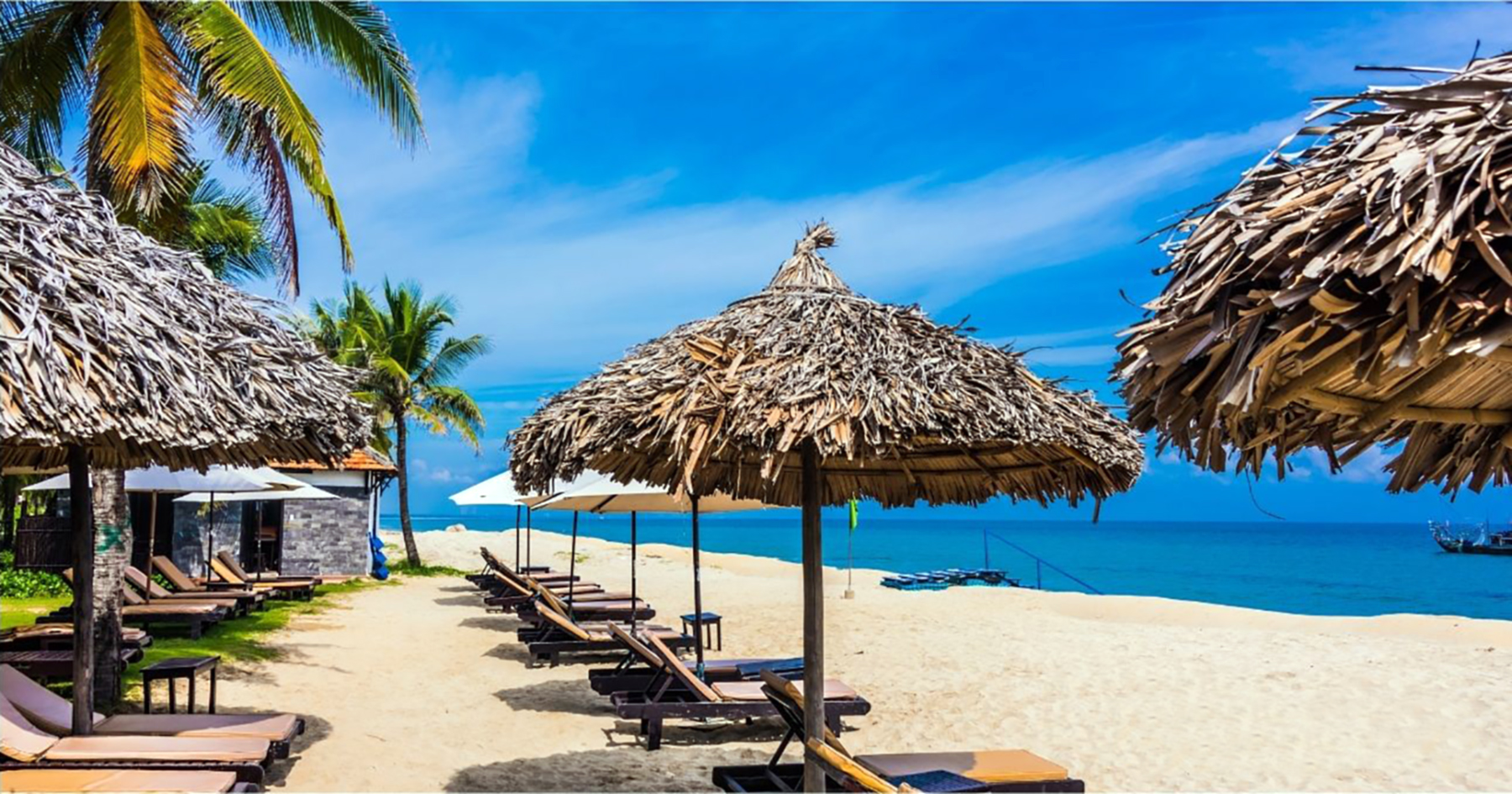
Cửa Đại Beach, located approximately 5 km from the centre of Hội An, is another well-known seaside destination. With its fine sand, clear waters and gentle waves, it offers a pleasant setting for a leisurely stroll, a refreshing swim or simply enjoying the sea breeze.

(Photo: Archive)

With its UNESCO-listed Ancient Town, enchanting lanterns, peaceful river and nearby beaches, Hội An offers a charming and varied experience, blending culture, relaxation and the timeless beauty of central Vietnam.


Best Time to Visit Hội An

Hội An can be visited all year round, with each season offering its own unique charm.


Places to Visit in Hội An

Phung Hung Ancient House

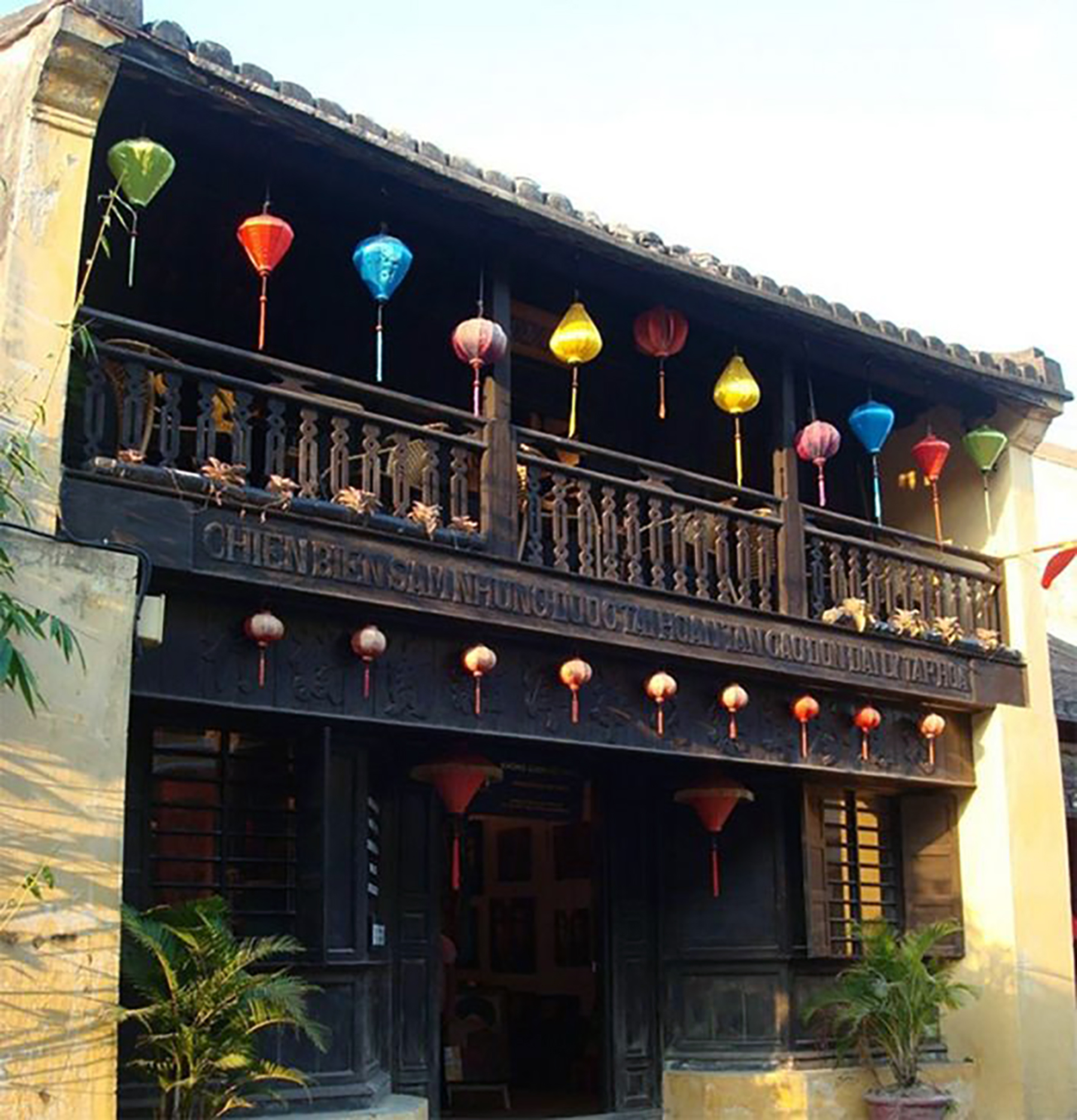
Phùng Hưng Ancient House is one of the most remarkable historic residences in Hội An. Built in 1780, the house is more than 240 years old, dating back to a time when Hội An was a prosperous trading port bustling with commercial activity.

Its original owner was a Vietnamese merchant who built the house to conduct his business, trading in goods such as cinnamon, pepper, salt, ceramics and glassware. Hoping that his business would continue to flourish for generations, he named the house “Phùng Hưng”, which was also the name of his trading business and symbolised prosperity.
(Photo: Archive)

Thanks to his financial success and connections with various trading communities, the owner was able to build a residence with a distinctive architectural style. Phùng Hưng Ancient House beautifully combines Vietnamese, Japanese and Chinese influences, reflecting the multicultural heritage of Hội An’s former trading port.

Today, the house remains in the hands of the family’s eighth-generation descendants. They continue to live there while carefully preserving this valuable heritage, allowing visitors to discover the spirit, history and timeless charm of old Hội An.
 

Tân Ký Ancient House

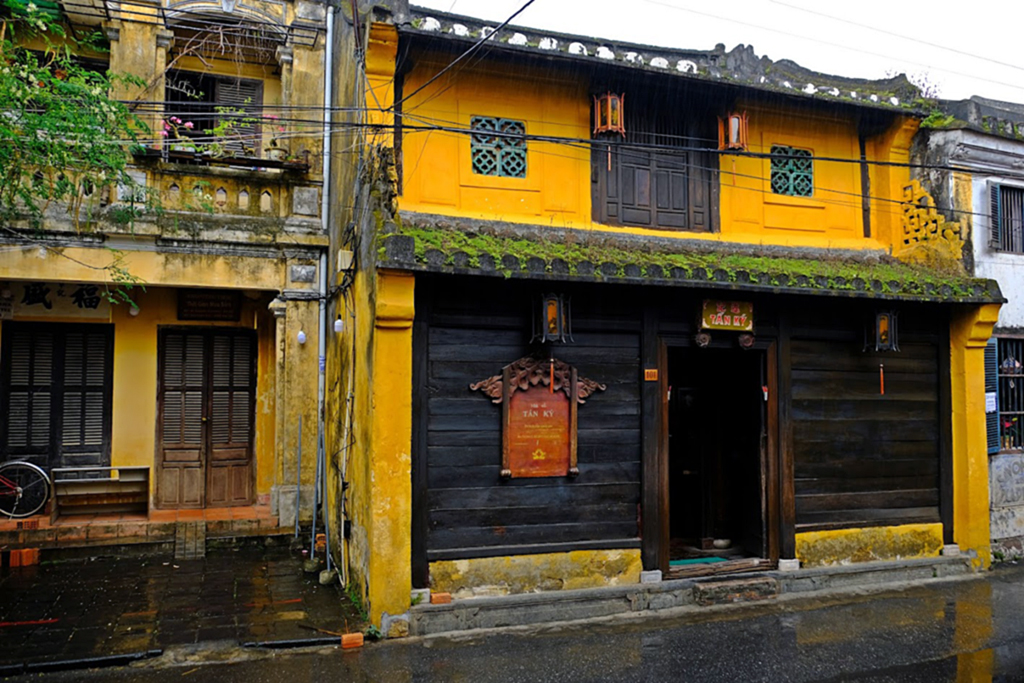
Tấn Ký Ancient House is one of the most famous historic residences in Hội An. Built in 1741, the house has stood for more than two centuries and has been passed down through several generations of the Lê family.

The name “Tấn Ký” was given by the house’s second owner. It expresses the hope for prosperity and success in business, reflecting a time when Hội An was still a bustling trading port, welcoming merchants and goods from many different countries.

One of the most remarkable features of Tấn Ký Ancient House is its harmonious architecture, which elegantly blends Vietnamese, Japanese and Chinese influences. This unique combination reflects the cosmopolitan history of Hội An, where different cultures met and interacted over the centuries.

(Photo: Archive)

The house has two floors and several living spaces arranged according to traditional feng shui principles, reflecting the five elements: metal, wood, water, fire and earth. Its building materials, intricately carved wooden decorations, room layout and overall architectural balance reflect the remarkable craftsmanship of artisans from centuries past.

Today, Tấn Ký Ancient House remains a precious reminder of Hội An’s rich trading history and traditional family life. A visit offers travellers not only the opportunity to admire its beautiful historic architecture, but also to discover the subtle elegance and timeless spirit of this ancient trading port.

Japanese Covered Bridge (Chùa Câu)

(Photo: Archive)

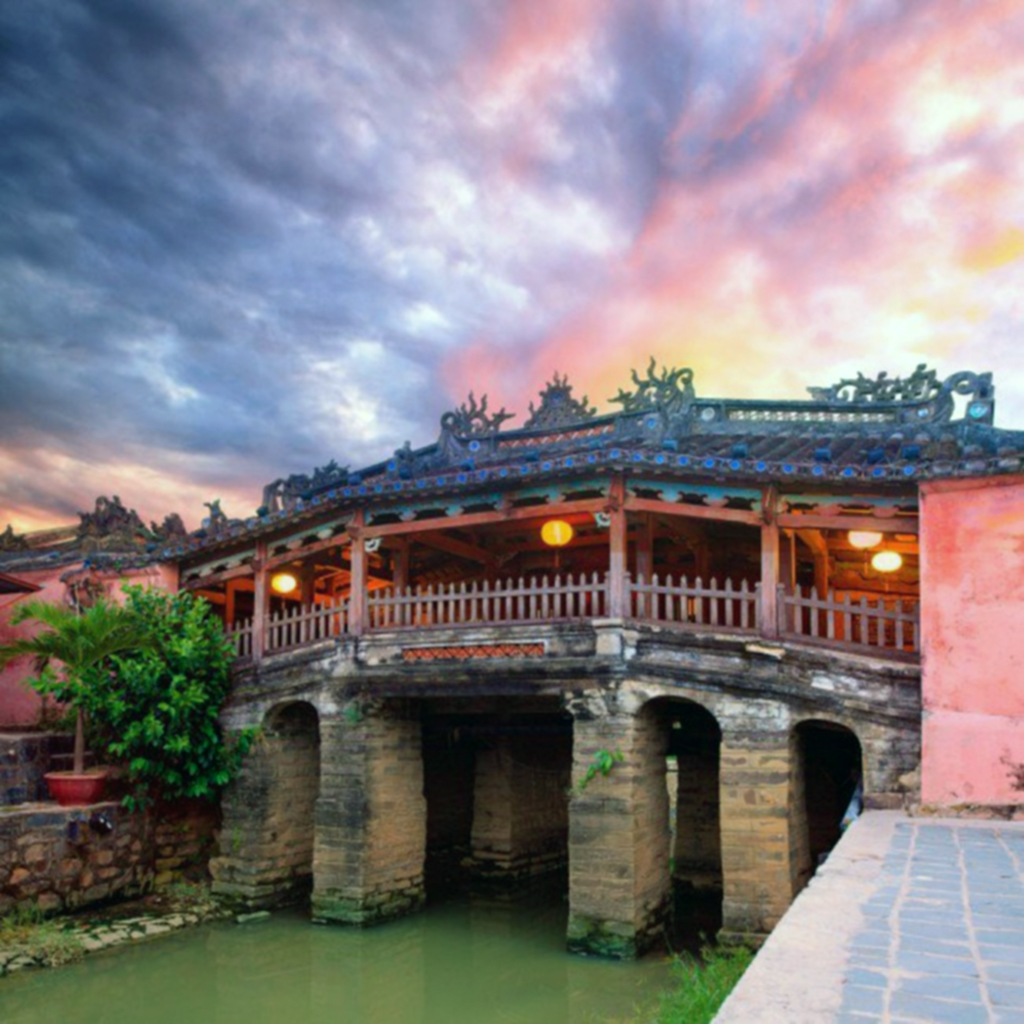
The Japanese Covered Bridge, also known as Chùa Cầu, is one of the most iconic landmarks in Hội An. It is believed to have been built by Japanese merchants around the 17th century, when Hội An was a prosperous trading port welcoming communities from Japan, China and several other countries.

According to an ancient legend, the bridge was constructed as a symbolic sword to restrain Namazu, a mythical creature believed to cause earthquakes whenever it moved. In 1653, a small shrine was built on the northern side of the bridge, giving rise to the name Chùa Cầu, which literally means “Bridge Pagoda”.

Despite its name, Chùa Cầu is not a place dedicated to Buddha. Instead, it houses a shrine to Bắc Đế Trấn Vũ, a protective deity in Taoism. The people of Hội An traditionally prayed to this deity for protection against natural disasters, storms, floods and the dangers of everyday life.

At either end of the bridge stand guardian statues representing sacred monkeys and celestial dogs. According to local beliefs, these guardians watch over the bridge and help protect the peace and well-being of the town.

On full-moon days and during traditional festivals, local people still visit Chùa Cầu to pray for safety, happiness and prosperity. Blending historic architecture, Japanese legends, Taoist beliefs and the heritage of the former trading port, the Japanese Covered Bridge remains one of Hội An’s most poetic and iconic landmarks.


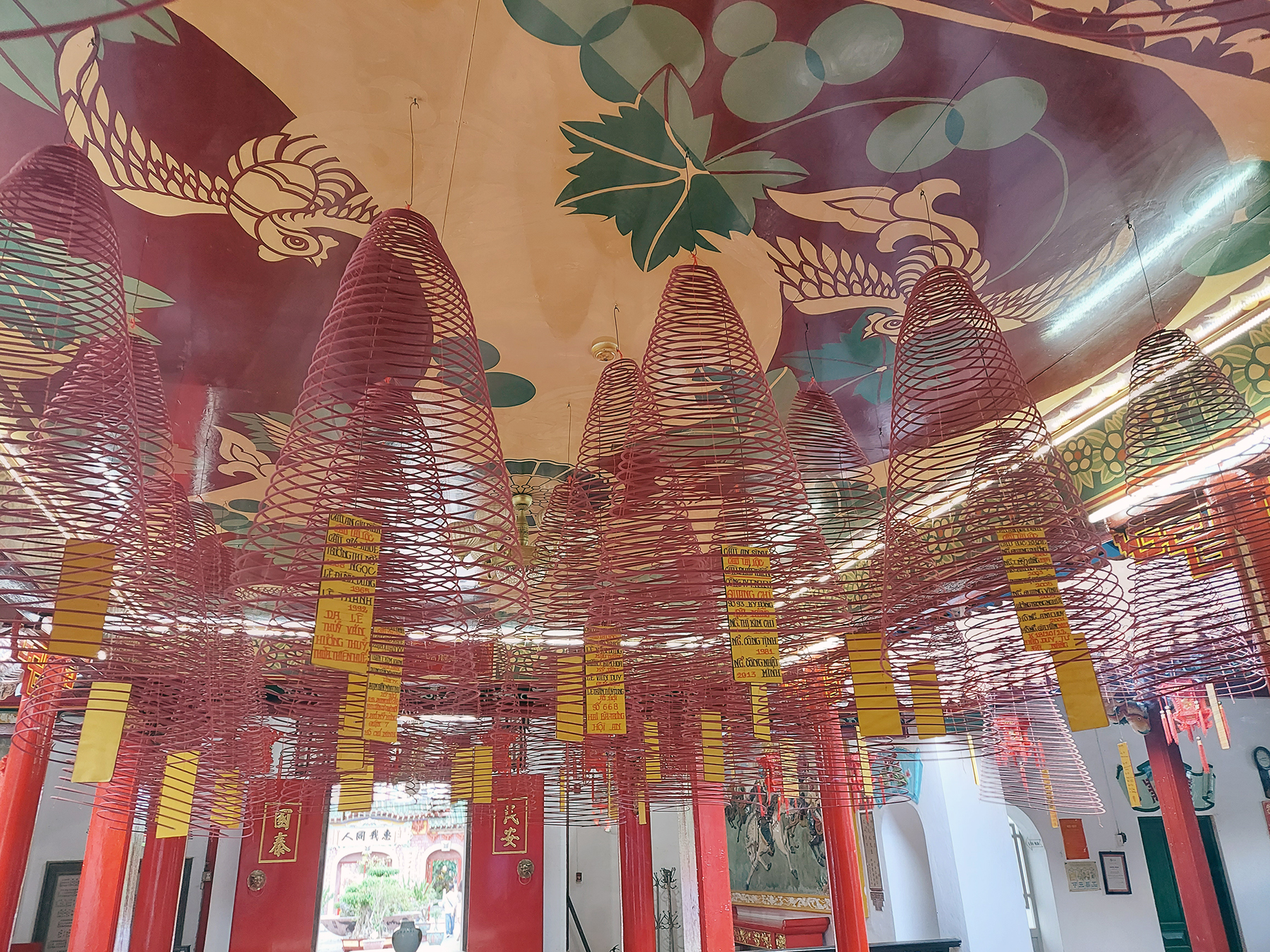
Phúc Kiên Assembly Hall

Phúc Kiến Assembly Hall is one of the most remarkable historical landmarks in Hội An. It reflects the long-standing presence of Chinese communities in this ancient port town, dating back to a time when Hội An was an important centre of international trade.

As in many cities where Chinese merchants settled overseas, the Chinese communities of Hội An established associations based on their regions of origin. Today, the town still preserves several assembly halls associated with its main Chinese communities, including Phúc Kiến, Triều Châu, Quảng Đông, Quỳnh Phủ and Ngũ Bang.

Among them, Phúc Kiến Assembly Hall is the largest and one of the most beautiful. Located at 46 Trần Phú Street, it holds an important place in

(Photo: Huế Voyage)

the architectural and spiritual heritage of Hội An Ancient Town.

Originally, the site housed a small wooden Buddhist temple built by Vietnamese residents in 1697. Over time, the temple deteriorated, and the local community could no longer afford to maintain it. In 1759, merchants from Fujian Province in China purchased the temple and gradually restored and expanded it. Following several renovations, the site became Phúc Kiến Assembly Hall in 1792.

Today, this historic landmark captivates visitors with its colourful architecture, peaceful courtyards, intricate carvings and solemn yet tranquil atmosphere. It reflects the rich cultural exchanges between Vietnamese and Chinese communities, as well as the cosmopolitan history of Hội An’s former trading port.

My Son Sanctuary

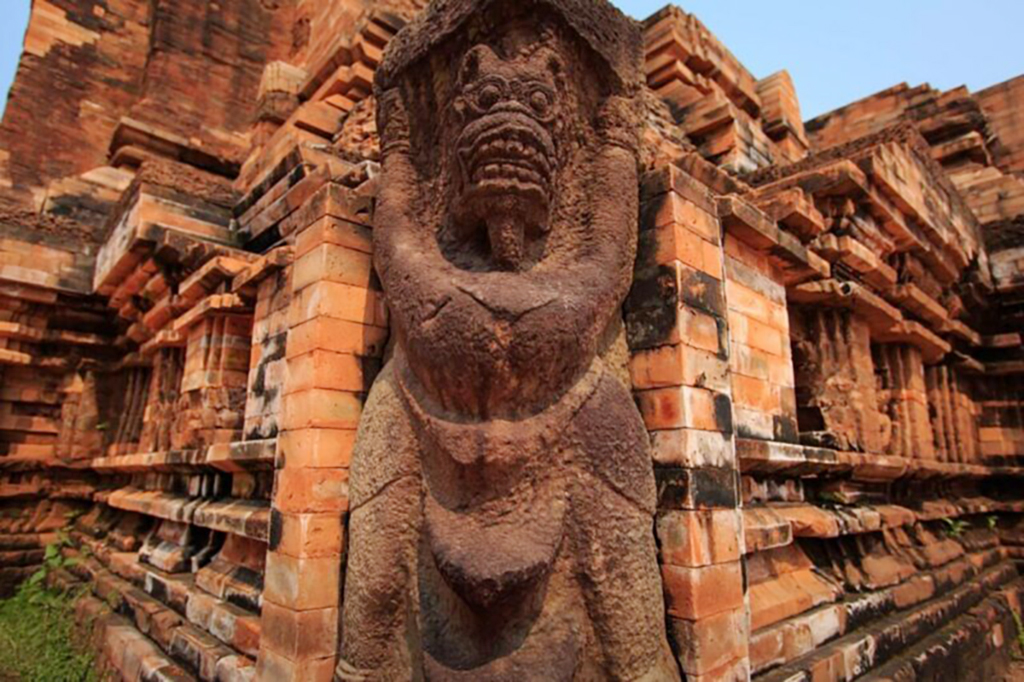
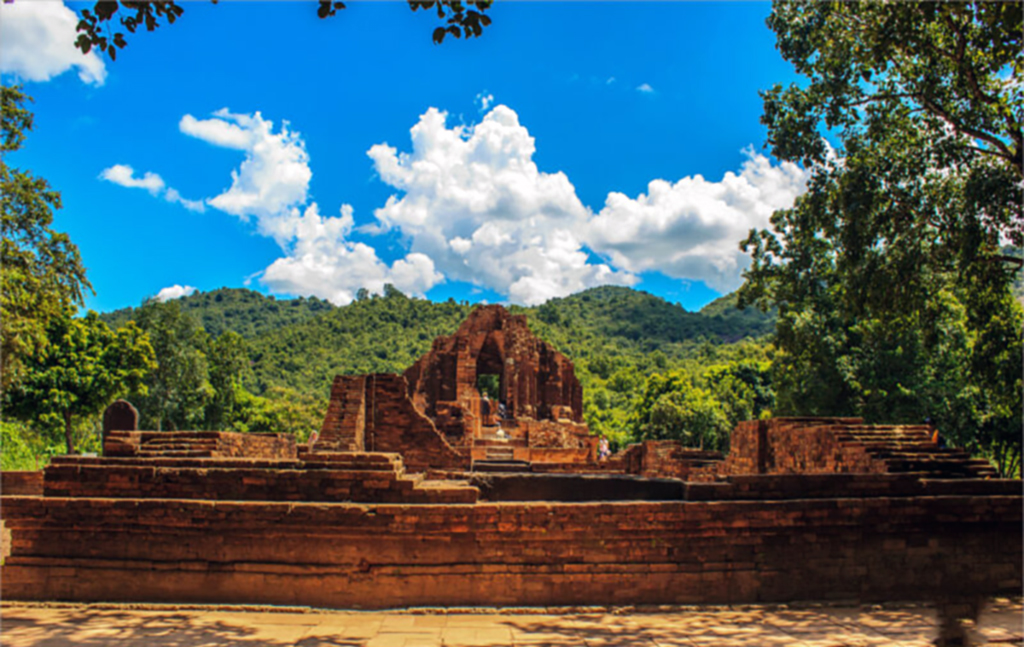
Mỹ Sơn Sanctuary is one of Vietnam’s most important archaeological sites and an exceptional testament to the ancient Champa civilisation. Located in the former Quảng Nam Province, it was once a major religious and cultural centre of the Champa Kingdom, closely connected to the ancient capitals of Trà Kiệu and Đồng Dương.

The site is believed to have begun developing as early as the 4th century. Over several centuries, Cham kings commissioned the construction of numerous brick temples and towers to honour Hindu deities, particularly Shiva, who was often worshipped in the form of a linga. Mỹ Sơn served as a place of worship, royal ceremonies and, in some cases, a burial site for rulers and high priests.

(Photo: Archive)

(Photo: Archive)

The earliest significant traces of the sanctuary are associated with King Bhadravarman I, who ruled in the late 4th and early 5th centuries. Later, after an ancient wooden temple was destroyed by fire, King Sambhuvarman had the sanctuary rebuilt in brick during the 7th century. Successive rulers continued to restore existing monuments and construct new ones, gradually transforming Mỹ Sơn into an increasingly extensive sacred complex.

The architecture of Mỹ Sơn reflects a strong influence from Indian culture, visible in the design of its towers, sculptures, bas-reliefs and ancient Sanskrit inscriptions. The surviving monuments reveal the spiritual, artistic and technical achievements of the Champa civilisation, as well as the cultural exchanges that shaped central Vietnam over many centuries.

One of the most fascinating aspects of Mỹ Sơn is the construction technique used for its Cham towers. The bricks, assembled with remarkable precision, have withstood the passage of time despite wars, harsh weather and destruction. The exact methods used to fire, bond and assemble these bricks remain a subject of research and admiration today.

Although the sanctuary has suffered extensive damage throughout its history, Mỹ Sơn still retains a deeply mysterious atmosphere. Surrounded by ancient temple ruins, intricate sculptures, lush forests and a sense of sacred tranquillity, the sanctuary offers visitors a moving journey into the history, spirituality and refined artistic heritage of the ancient Champa Kingdom.


Bay Mâu Coconut Forest

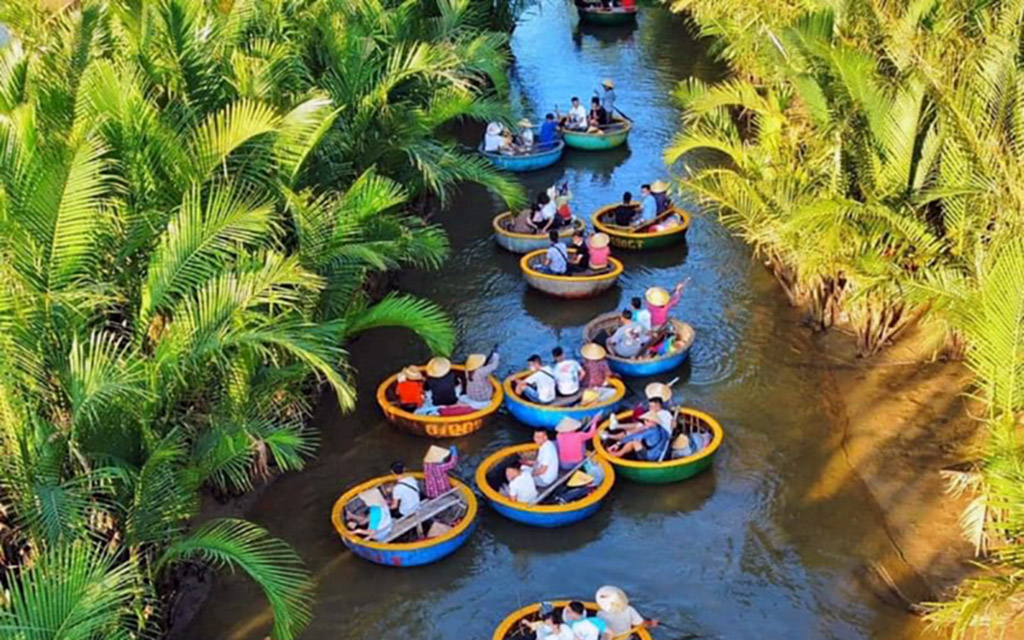
Bảy Mẫu Coconut Forest, also known as Cẩm Thanh Coconut Forest, is one of the most unique experiences near Hội An. Set in a peaceful landscape of rivers, canals and water coconut palms, it offers visitors a wonderful opportunity to immerse themselves in nature and discover local life.

Aboard small round bamboo basket boats, known as thúng chai, travellers are guided by skilled boatmen, often friendly and welcoming local fishermen. The boat ride takes visitors through a lush, refreshing landscape filled with natural charm, where reflections dance on the water, coconut palms line the waterways and a tranquil atmosphere surrounds them.

(Photo: Archive)

The visit also offers the chance to enjoy entertaining demonstrations, such as the famous basket boat spinning performances and traditional rowing techniques. Visitors can also try their hand at local fishing activities, including casting fishing nets, to gain a better understanding of the everyday lives of the people of Cẩm Thanh.

Combining natural beauty, local traditions and relaxing moments, Bảy Mẫu Coconut Forest offers a simple, joyful and authentic experience, making it a wonderful addition to any visit to Hội An.