MỘC CHÂU

Mộc Châu is a beautiful mountainous region where several ethnic communities live together, each contributing its own traditions, traditional costumes, cuisine and cultural festivals. Among them, the Thái and H’Mông are the most prominent, alongside the Kinh, Khơ Mú, Dao, Tày and other ethnic groups.

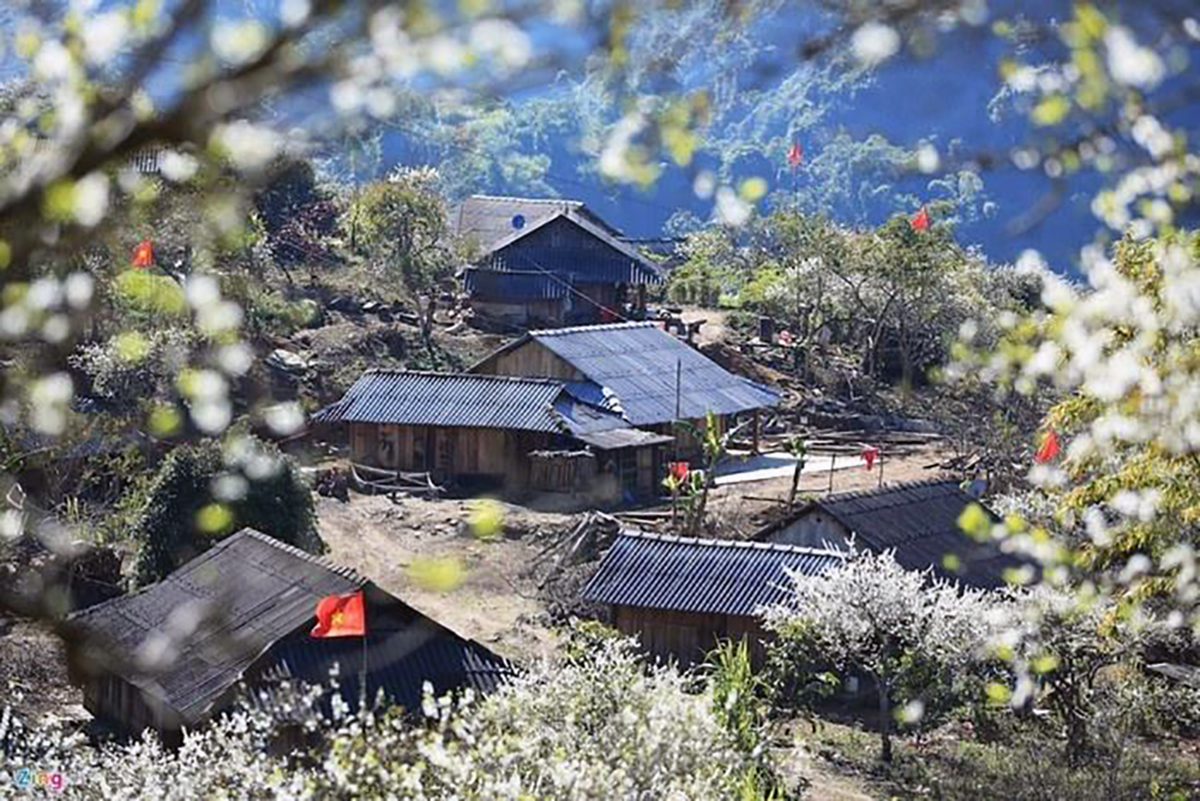
Thái culture plays an important role in the region, particularly through its rich and varied cuisine, traditional dances and spring festivals. The Hoa Ban, Hết Chá and Cầu Mưa festivals are significant events in local life, celebrated to pray for prosperity, favourable rainfall and abundant harvests.

Traditional mountain village surrounded by flowering trees in Mộc Châu, Northwest Vietnam

(Photo: Archive)

Mộc Châu is also known for the H’Mông Cultural Festival, held every year around Vietnam’s National Day, from August 30 to September 2. On this occasion, many H’Mông people from the northern mountainous provinces gather in Mộc Châu town. It is a time for meeting, sharing and celebration, particularly important for young people who come together to socialise, get to know one another and celebrate their cultural identity.

Thanks to its ethnic diversity and rich traditions, Mộc Châu offers travellers an authentic experience, where the beauty of the landscapes blends with the warmth of local hospitality and the vibrant culture of the Northwest mountains.


Best Time to Visit Mộc Châu

Mộc Châu can be visited all year round, with each season offering its own unique charm.


Places to Visit in Mộc Châu

Dai Yêm Waterfall

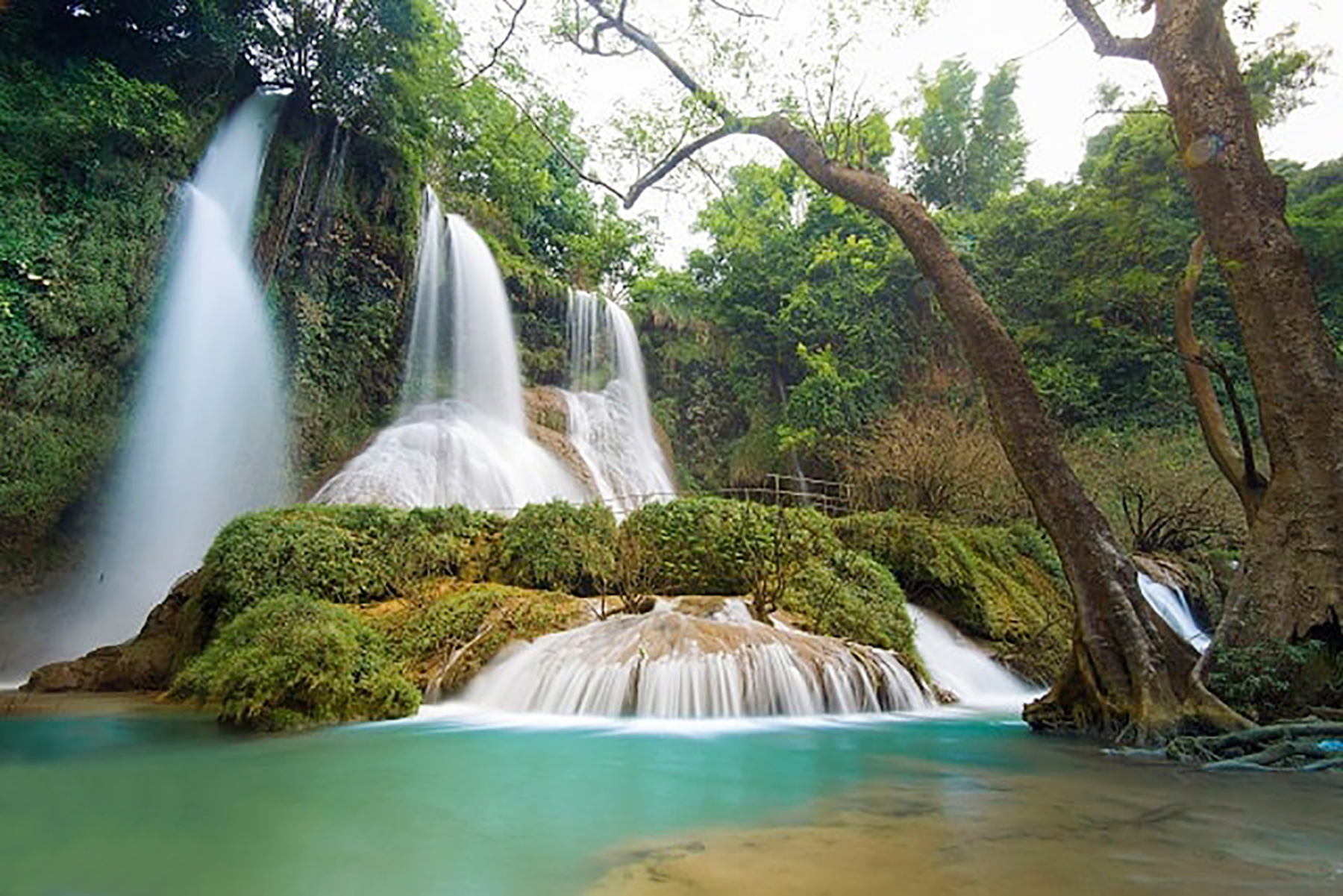
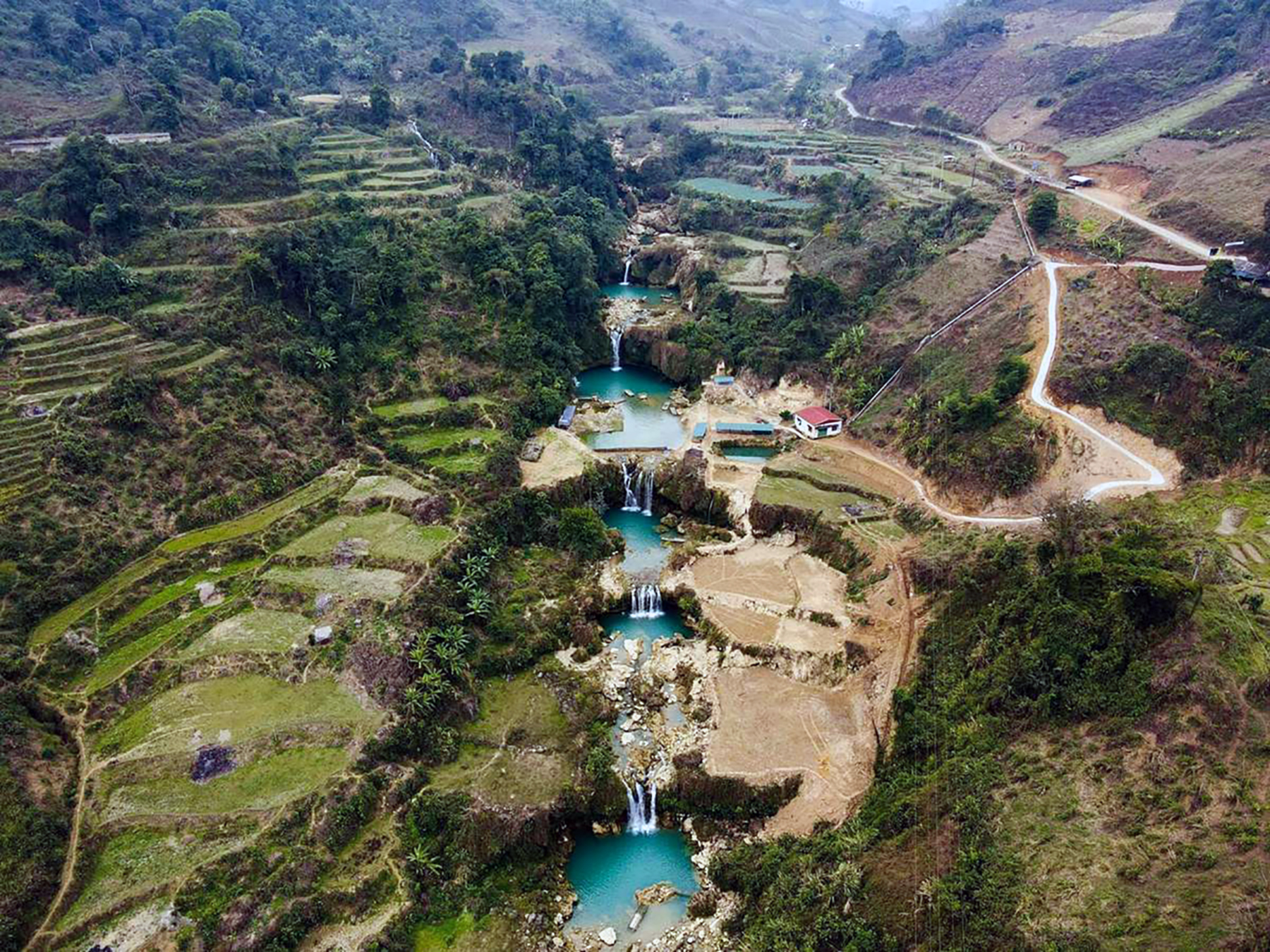
Dải Yếm Waterfall is located on the Vặt River, fed by two streams, Bó Co Lắm and Bó Tá Cháu, which originate near an ancient Thái village. After flowing for several kilometres, the river joins the Bó Sập River. Where the water encounters a limestone rock formation, it plunges down, creating the magnificent Dải Yếm Waterfall.

The waterfall consists of two distinct sections. The upper waterfall is approximately 70 metres wide and is separated from the lower waterfall by a distance of 150 to 200 metres. During the dry season, the lower waterfall forms a single powerful stream of water, cascading from a height of approximately 50 metres onto the rocks below.
(Photo: Archive)

Together, the two waterfalls have a total height difference of approximately 100 metres. One cascades over nine tiers, while the other has five, creating a majestic yet harmonious natural spectacle.

This impressive series of cascades is made even more enchanting by the lush vegetation and peaceful surroundings. With its striking scenery and tranquil atmosphere, Dải Yếm Waterfall is one of the most beautiful natural attractions in Mộc Châu, making it an ideal destination for nature lovers and photography enthusiasts.
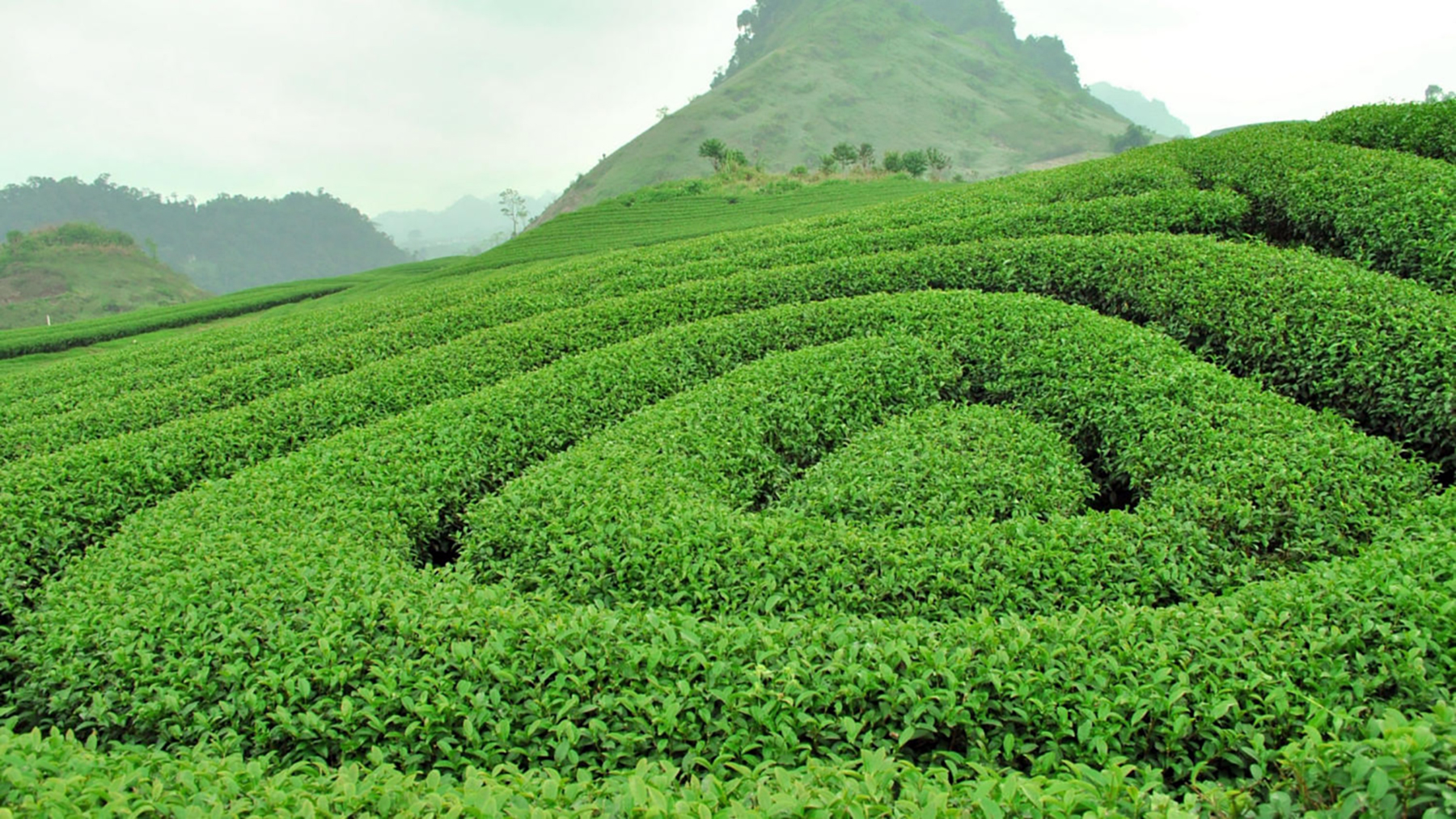
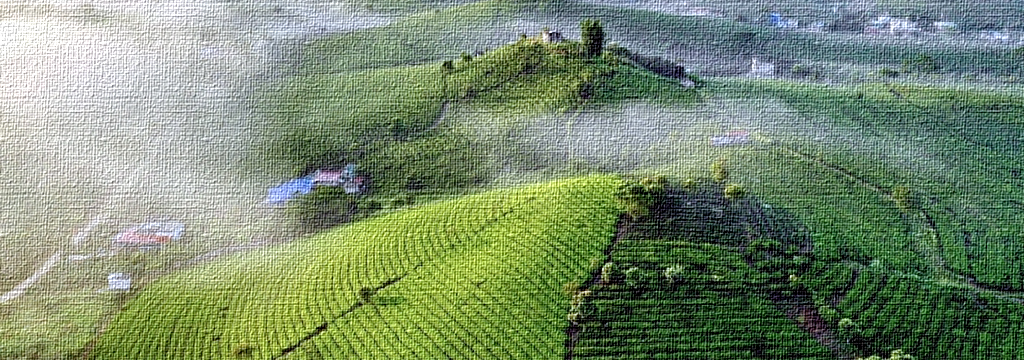
La colline de thé en forme de cœur

(Photo: Archive)

The Heart-Shaped Tea Hill is one of Mộc Châu’s most enchanting landscapes, where endless rows of vibrant green tea plants sweep across the rolling hills in graceful curves, forming a spectacular heart-shaped pattern. Carefully cultivated and beautifully maintained, these lush plantations create a peaceful, poetic setting that captivates visitors and photography enthusiasts alike.

Beyond their scenic beauty, the tea plantations offer a fascinating glimpse into the daily life of local highland communities, especially during the autumn harvest season. In the early morning, farmers make their way through the fields, carefully picking tender young tea leaves before the midday sun grows too strong, while others continue their work later in the day.

Here, tea cultivation is more than just an agricultural activity; it is a traditional craft passed down from generation to generation. Through patience, experience and the deep appreciation local people have for these delicate leaves, Mộc Châu tea has developed its distinctive character, known for its pleasant aroma, freshness and authentic flavour.

Chiêng Khoa Waterfall

Chiềng Khoa Waterfall, also known as Cloud Waterfall, Fairy Waterfall or Seven-Tier Waterfall, is one of the most enchanting natural attractions in Mộc Châu. Its charm lies in its seven successive tiers, each measuring approximately 7 to 10 metres in height. At the foot of the waterfall, small crystal-clear pools invite visitors to cool off in a peaceful natural setting.

Among its various names, Cloud Waterfall is the one most commonly used. According to local stories, this name is linked to a legend associated with the Xên bản, Xên mường festival, an important traditional celebration of the Thái communities. This festival usually takes place during the season when ban flowers begin to bloom.

(Photo: Archive)

The Xên bản, Xên mường festival is held to pray for good harvests, prosperity and a peaceful life in the village. It is also a time for gathering and sharing, filled with traditional games, the sounds of drums and gongs, folk songs and dances. The festival also offers young men and women an opportunity to meet, get to know one another and express their feelings through simple, heartfelt melodies.

The name “Seven-Tier Waterfall” comes from the natural structure of Chiềng Khoa. Viewed from above, the waterfall unfolds across seven distinct levels, with water cascading powerfully down the rocks before forming small, crystal-clear pools at each tier. Surrounded by lush greenery, this series of cascades creates a wild yet refreshing and picturesque landscape, making it an ideal destination for travellers seeking nature and tranquillity.

Bat Cave

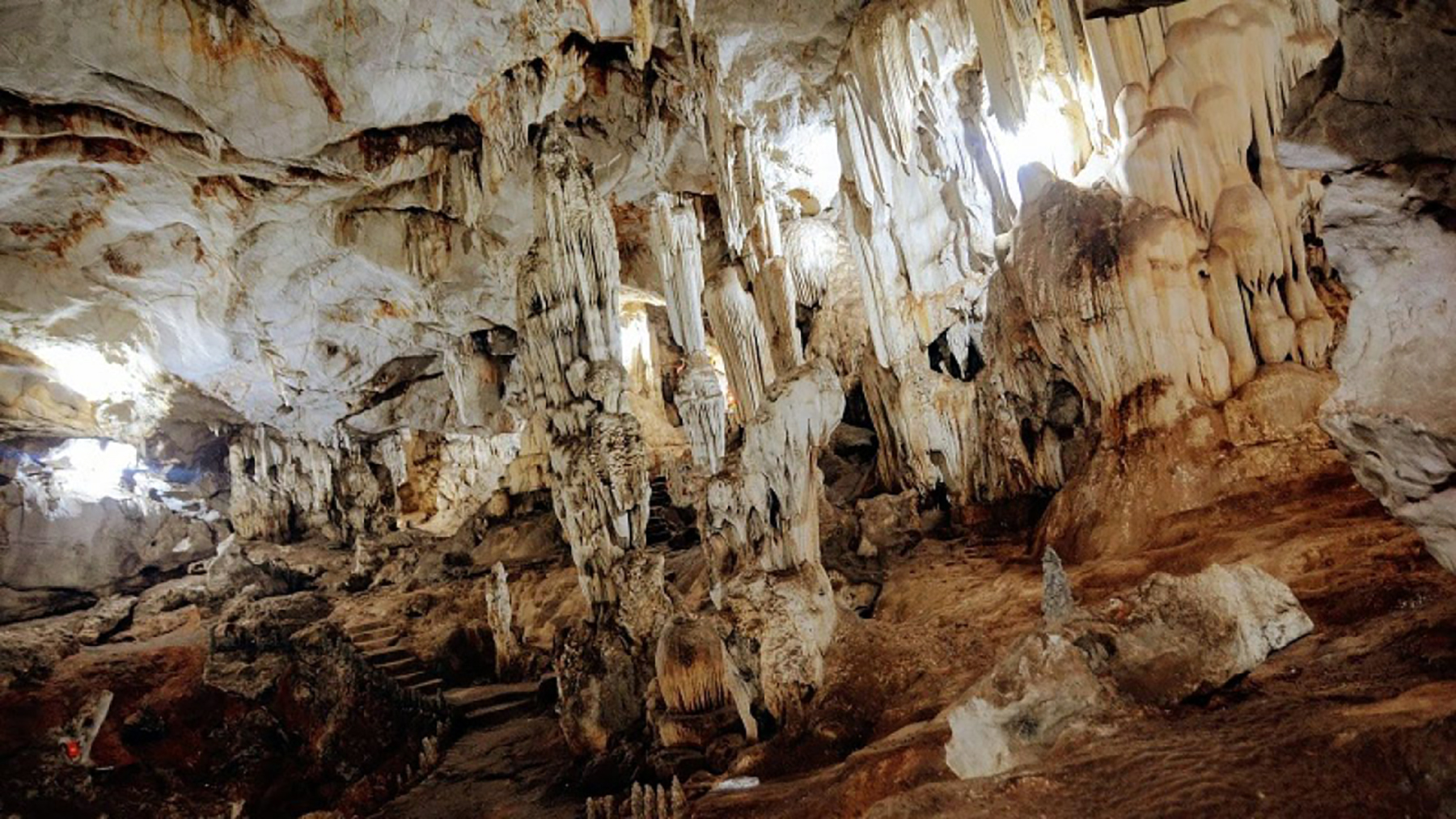
Bat Cave is one of the most remarkable natural attractions in Mộc Châu. Sometimes referred to as the “First Cave of the Northwest”, it is admired for its mysterious beauty and vast interior. Covering an area of more than 7,000 m², the cave is situated at an elevation of approximately 100 metres and consists of three large chambers, each adorned with impressive rock formations of various shapes and sizes.

This karst cave, formed within the limestone mountains, has long been known to local communities. It is associated with numerous local legends and is also believed to have served as a shelter during the resistance against French colonial rule. From an archaeological perspective, the cave was first officially studied in 1952.

(Photo: Archive)

According to the people of Mộc Châu, the cave takes its name from the large number of bats that once inhabited it. It is also known by another name in the Thái language: Hang Sa Lai, meaning “Water Cave”, in reference to an underground spring that flows throughout the year without ever drying up.

The cave is also associated with several local legends, including those of “The Celestial Vault” and “The Tale of the Lake”. According to one legend, a dragon travelling across the four corners of the world once stopped in this region, captivated by the beauty of its landscapes and the mildness of its climate. Enchanted by the surroundings, the dragon chose this place as its home. Before departing, it left behind seven pearls, which transformed into seven mountains as a gesture of gratitude to this welcoming land. This is how Bat Cave is said to have come into existence, facing south towards the “Seven Pearls of the Dragon”.

With its fascinating legends, cool underground atmosphere and impressive limestone formations, Bat Cave offers visitors a mysterious and poetic experience, deeply connected to the rich folklore and cultural heritage of Mộc Châu.