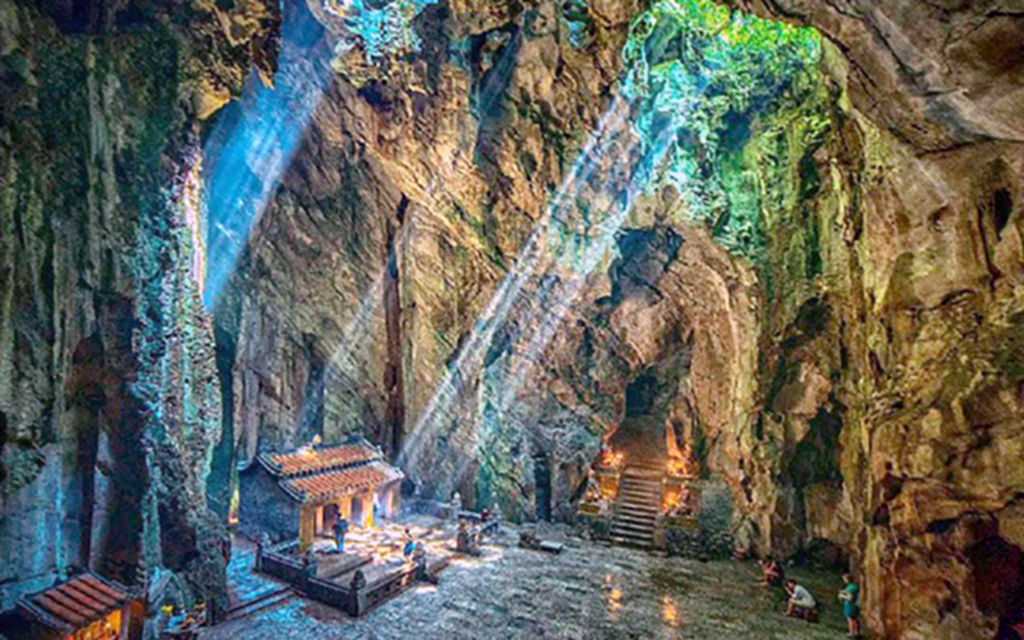


Da Nang Museum of Cham Sculpture
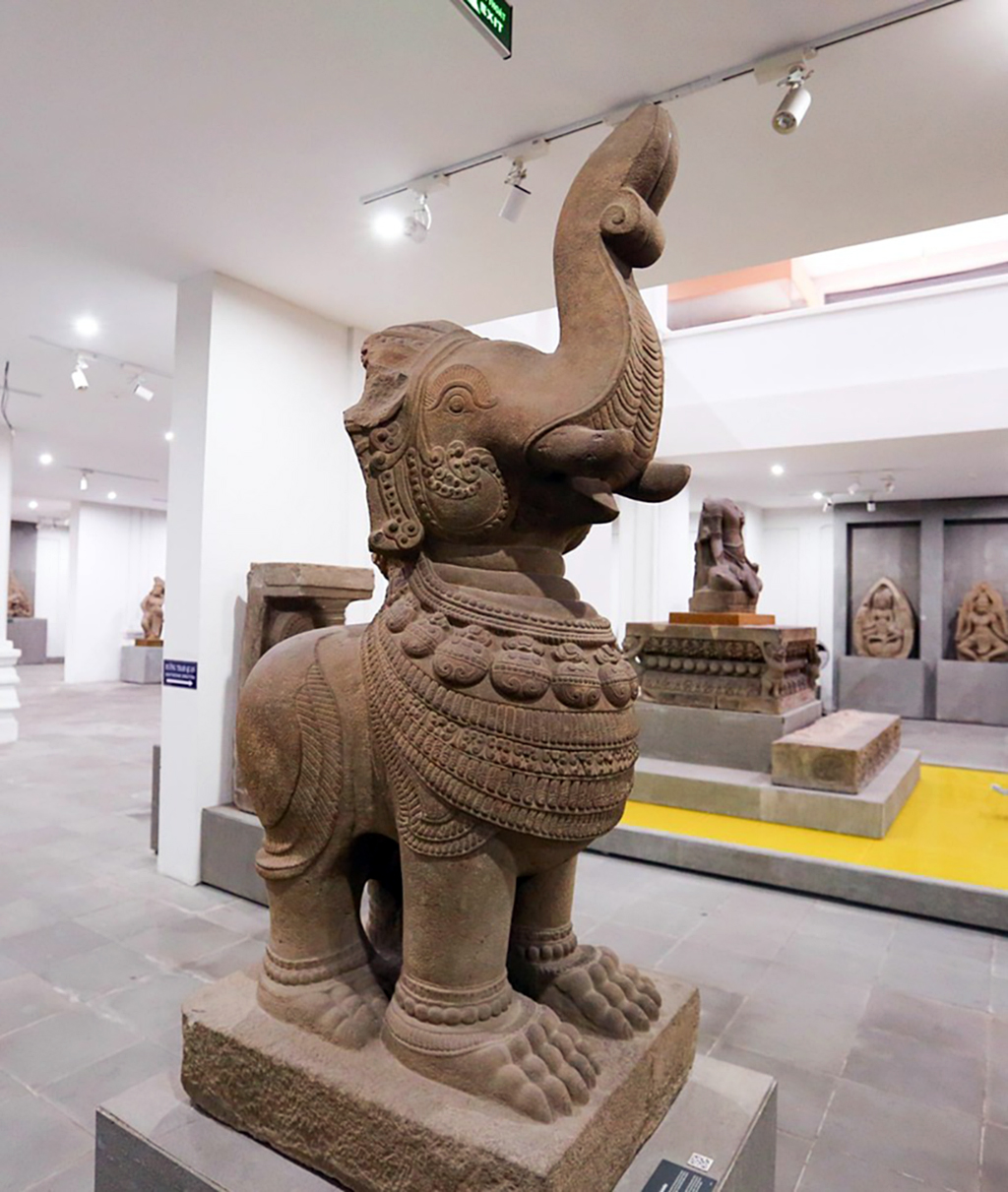
(Photo: Huế Archive)
The Đà Nẵng Museum of Cham Sculpture is one of Vietnam’s most important museums dedicated to Cham art and culture. Its establishment was first proposed in 1902 by the French School of the Far East (École française d’Extrême-Orient), at a time when Đà Nẵng was still known as Tourane.
The aim was to collect, preserve and display Cham antiquities discovered in different regions of central Vietnam. Archaeologist Henri Parmentier played a key role in this project. Passionate about Cham art, he actively contributed to the museum’s design and the development of its earliest collections.
Construction of the museum building began in 1915, and it was officially inaugurated in 1919. Before then, the site was already known as the “Sculpture Garden”, as several Cham artworks had been preserved and displayed outdoors. When the museum first opened, it housed approximately 160 ancient sculptures.
Over the years, the museum’s collection continued to grow thanks to new archaeological discoveries, particularly at Trà Kiệu, Mỹ Sơn and Tháp Mẫm. In 1927, architect J. Y. Claeys proposed an expansion project to accommodate these additional artefacts. The work was completed in 1936, and the museum was officially reopened under the name Henri Parmentier Museum, in honour of the man who had contributed so much to its establishment.
Today, the Đà Nẵng Museum of Cham Sculpture offers visitors a deeper understanding of the rich artistic heritage of the Champa Kingdom. Through its statues, bas-reliefs, depictions of deities, decorative motifs and architectural fragments, the museum provides a fascinating insight into the history, spirituality and refined artistic traditions of this ancient civilisation in central Vietnam.