
Mount Fansipan
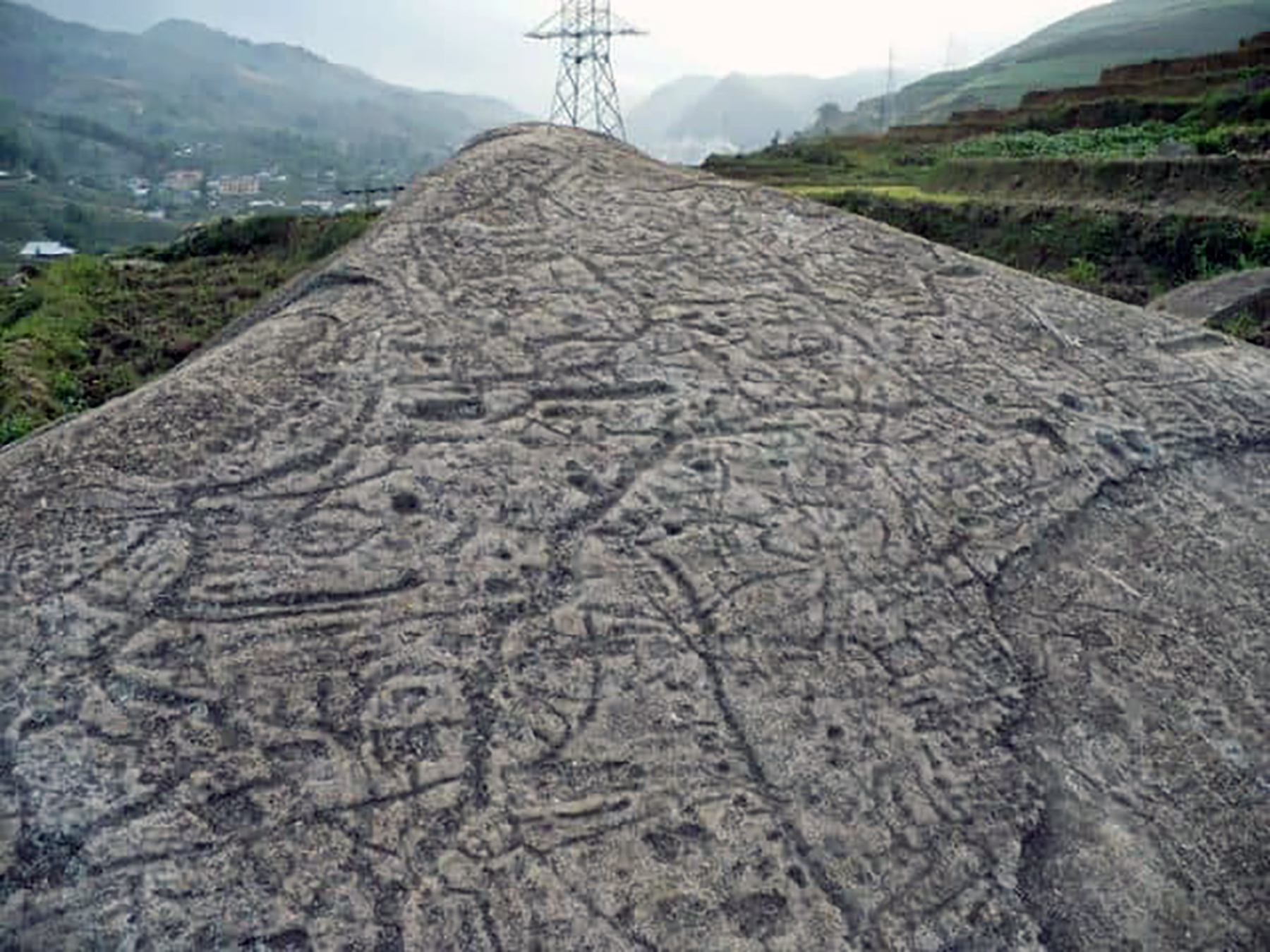
The origin of the name “Fansipan” remains uncertain, and several theories have been proposed. According to some sources, the peak was once called Hua Xi Pan, a popular expression that may be interpreted as “a huge sloping rock”. Another theory links the name to the Hmong language, where it may refer to the “mountain of rhododendrons”, due to the abundance of these shrubs on the mountain slopes.
Another explanation suggests that the name Fansipan may be connected to Phan Văn Sơn, a geographer of the Nguyễn Dynasty who is said to have accompanied the French in 1905 during mapping and border demarcation work between Vietnam and Qing China.
(Photo: Archive)
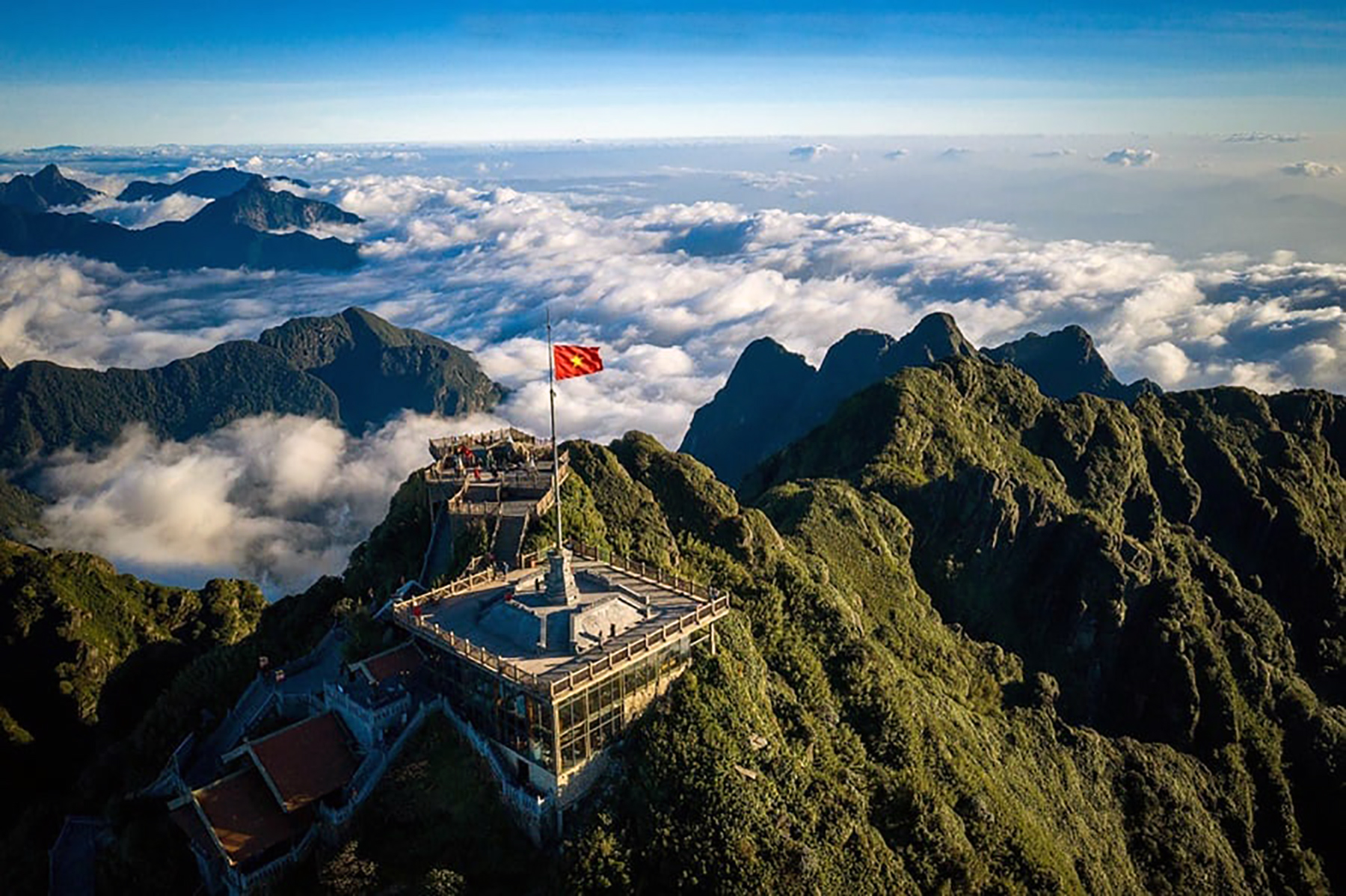
Rising to an altitude of 3,143 metres, Fansipan is the highest peak in Vietnam and in all of Indochina, which comprises Vietnam, Laos and Cambodia. For this reason, it is often known as the “Roof of Indochina”.
In the book La Conquête du sommet du Fansipan, published in French on 29 November 1935 by the Hanoi Geographical Association, Professor L. Salles, a teacher at the Albert-Sarraut School, described the first French ascents of the summit.
At the end of July 1905, Sergeant Denis, accompanied by Lieutenants Scherdlin and Benoit, was given the task of reaching the summit of Fansipan. It is believed that Denis may have reached the highest point alone. He left a fairly detailed description of a marker located on a rock at the summit, along with several accounts of the difficulties encountered during the expedition. The ascent took three days. Denis reported that the forest extended all the way to the summit, that rain accompanied part of the climb and that temperatures were extremely cold. To mark the highest point, he is said to have embedded three rifle bullets in a large rock, arranged in the shape of a triangle.
Shortly after this expedition, another mapping mission was carried out under the direction of Lieutenant Bourély. According to documents from the Geographical Service, Sergeant Dollo also reached the summit around 1 October 1905. His ascent is said to have taken eight days from the last inhabited settlements along the route. Thick fog, dense forest and the difficulty of identifying the highest point made the expedition both demanding and remarkable.
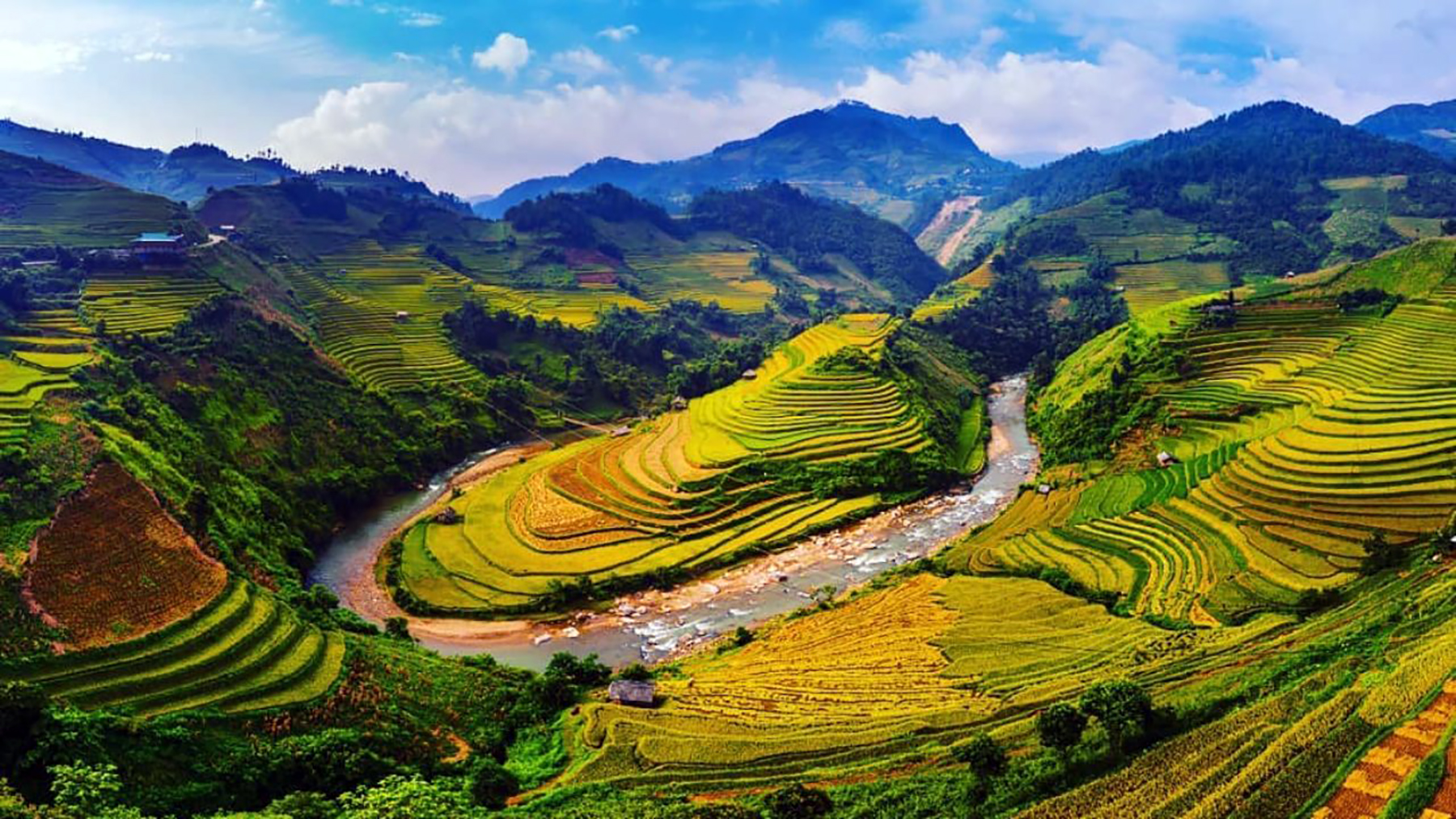
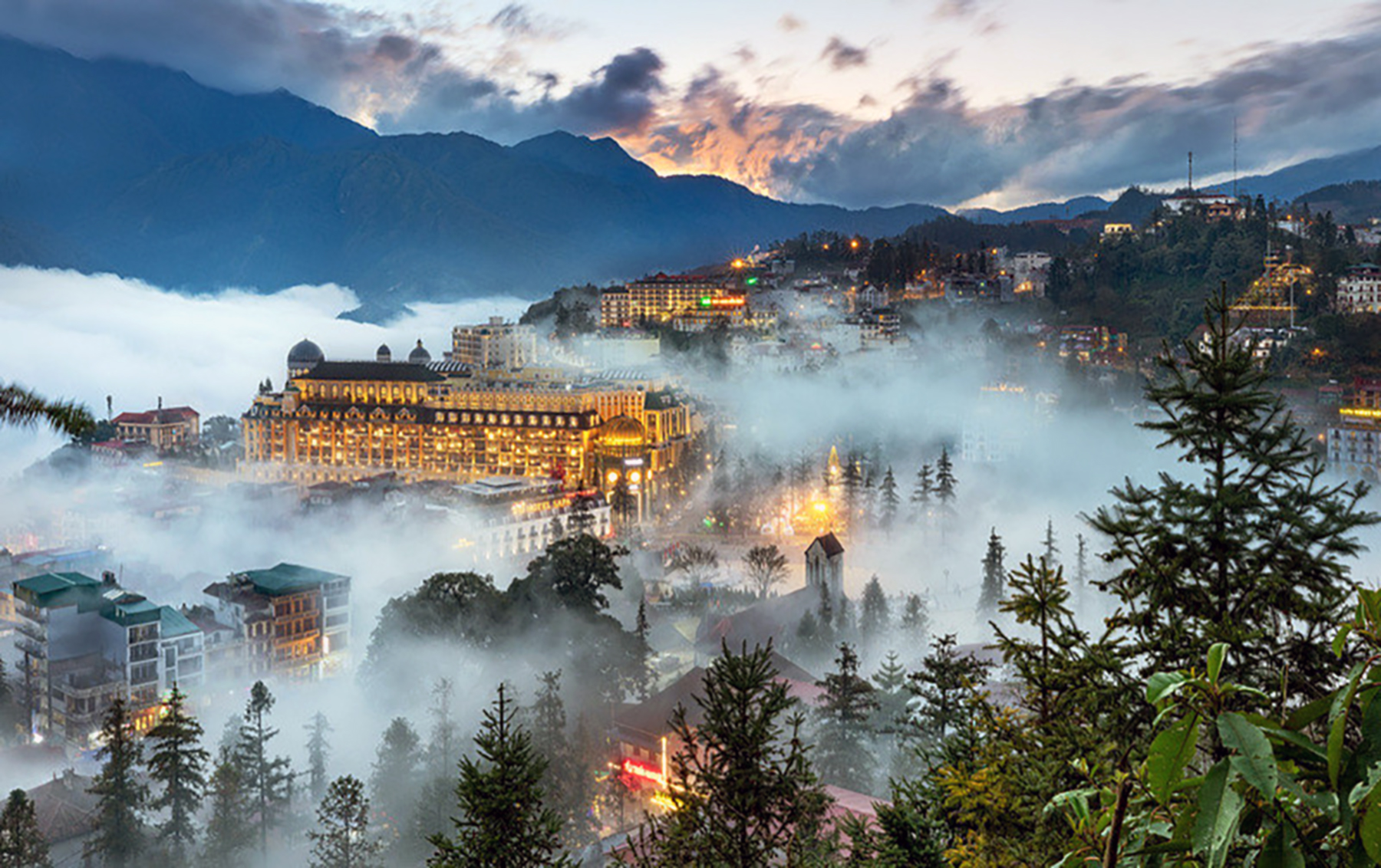
Today, Fansipan has become one of the major symbols of Sapa. It attracts travellers with its spectacular mountain scenery, cool climate and the unique experience of standing at the highest point in Indochina.