
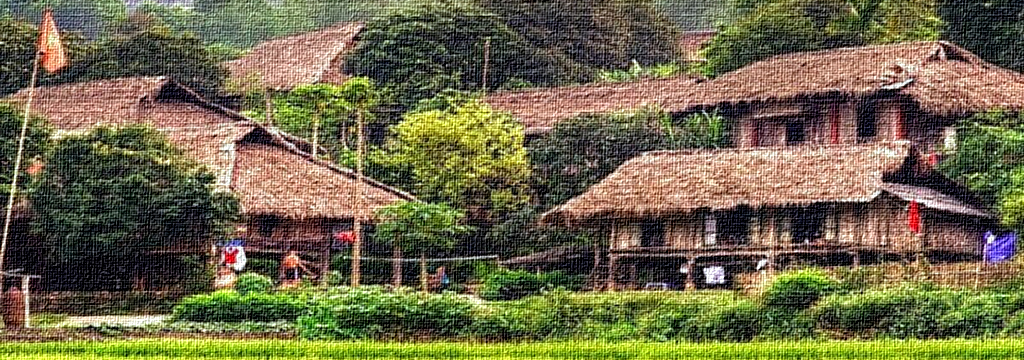
NORTHERN VIETNAM
Discover Northern Vietnam through its cities, landscapes and cultural heritage.
HANOI
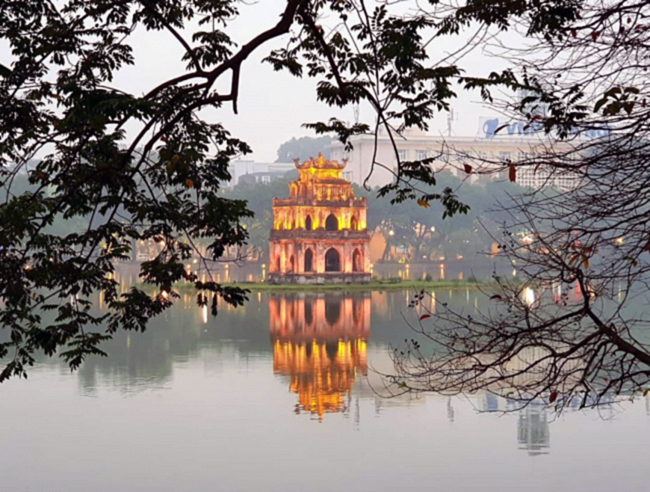
Lake Hoàn Kiếm
Hoàn Kiếm Lake is considered the heart of Hanoi. This iconic landmark is not only one of the city’s most popular attractions, but also a place of great cultural and historical significance for the Vietnamese people.
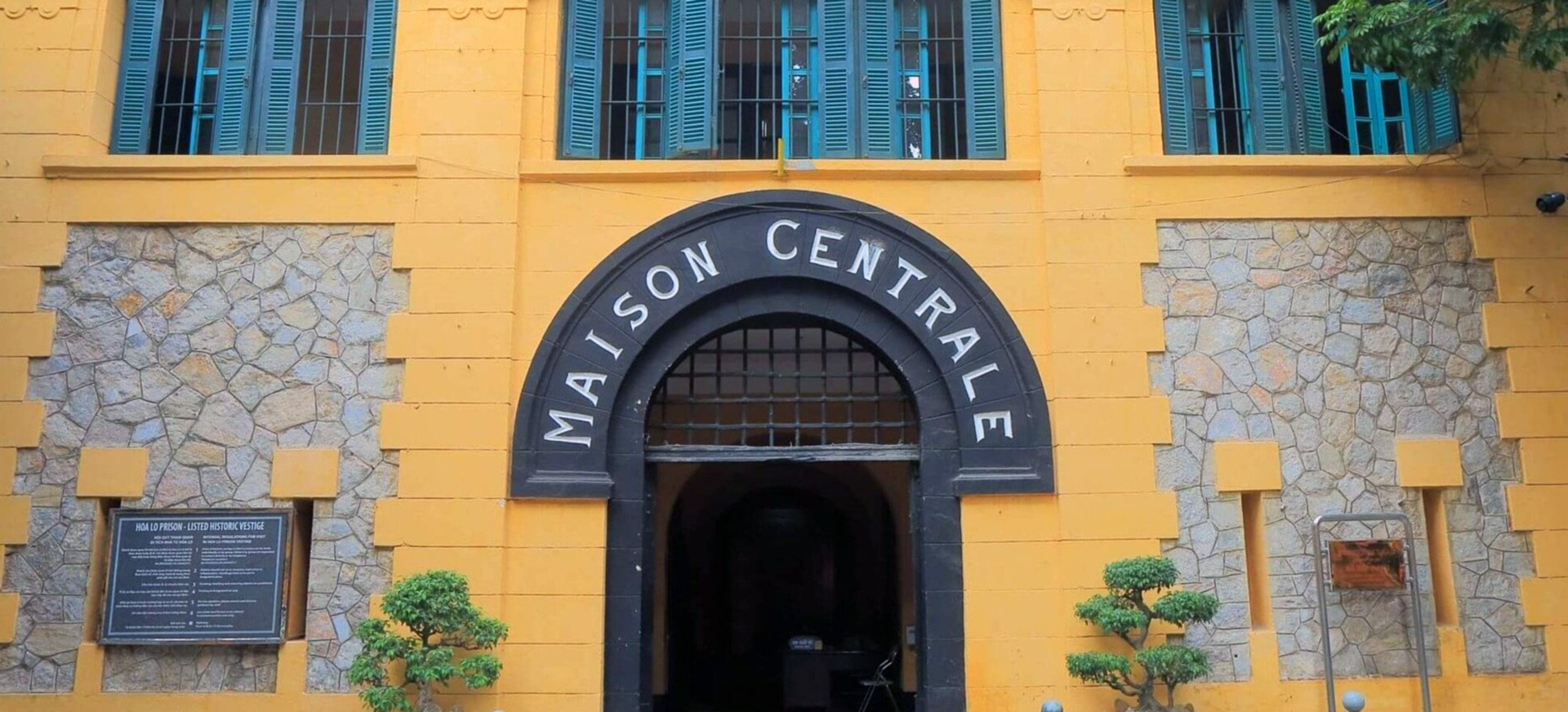
Hỏa Lò Prison
Built by the French in the late 19th century, Hoa Lo Prison presents several periods of Hanoi’s history, from the colonial era to the Vietnam War.
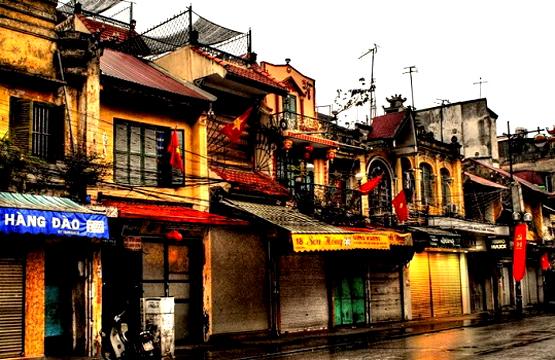
Hanoi Old Quarter
Hanoi Old Quarter is known for its trading streets, tube houses and lively daily life. It preserves the historic atmosphere of the capital’s traditional commercial heart.
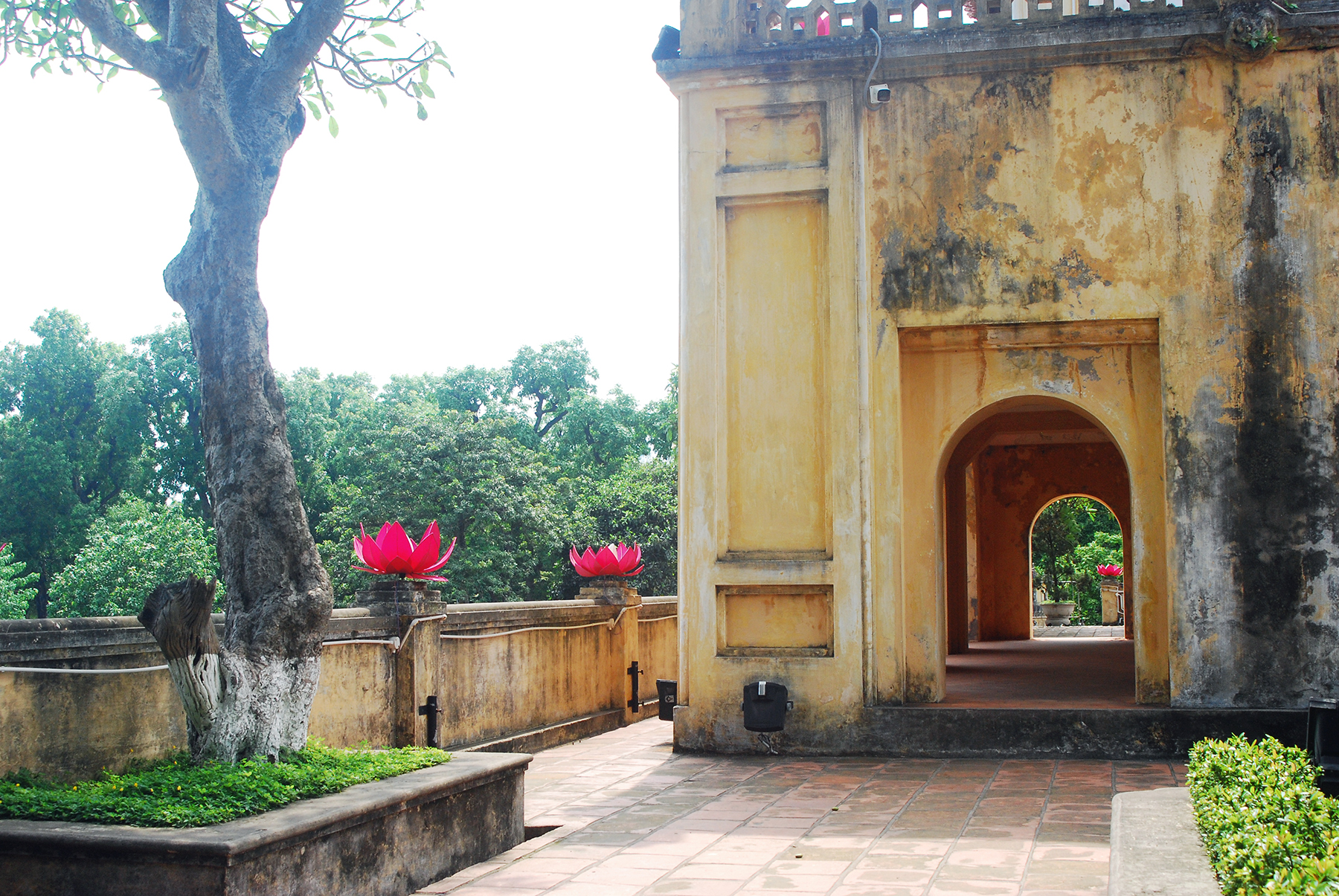
Imperial Citadel of Thăng Long
Once the centre of royal power under several dynasties, the Imperial Citadel of Thang Long preserves major remains of Vietnamese history. The site is listed as a UNESCO World Heritage Site.
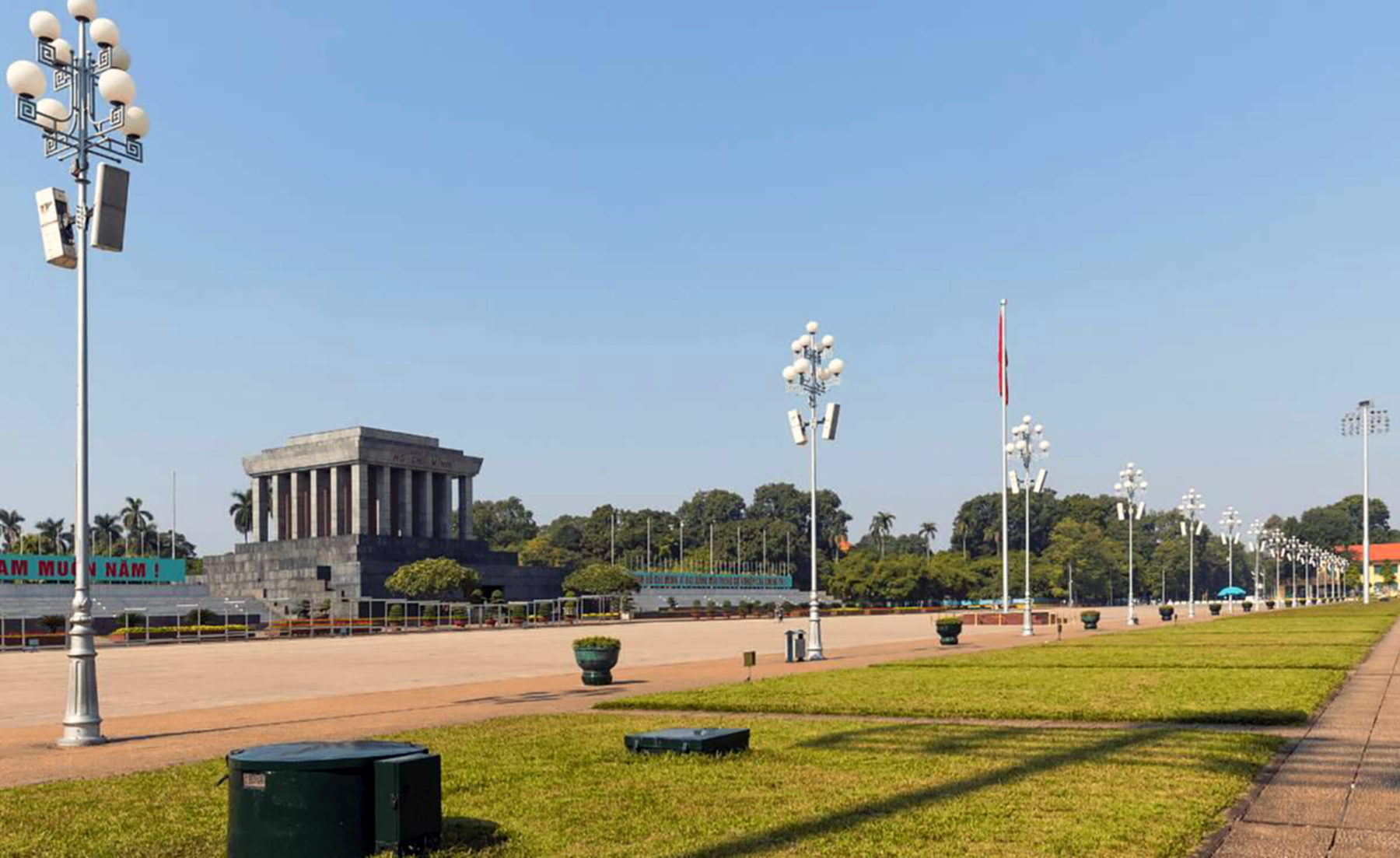
Ba Đình Square – Ho Chi Minh Mausoleum
Ba Đình Square is a major site in Vietnam’s modern history. It was here that Ho Chi Minh proclaimed the country’s independence on 2/9/1945.
The Ho Chi Minh Mausoleum, Located on Ba Dinh Square, the mausoleum houses the embalmed body of President Ho Chi Minh. It is an important place of remembrance for many Vietnamese people.
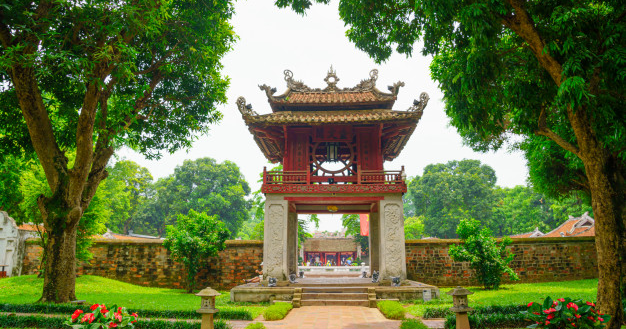
Temple of Literature – Quốc Tử Giám
Founded in the 11th century, the Temple of Literature is dedicated to Confucius. Quoc Tu Giam, within the complex, is regarded as Vietnam’s first national university.
SAPA
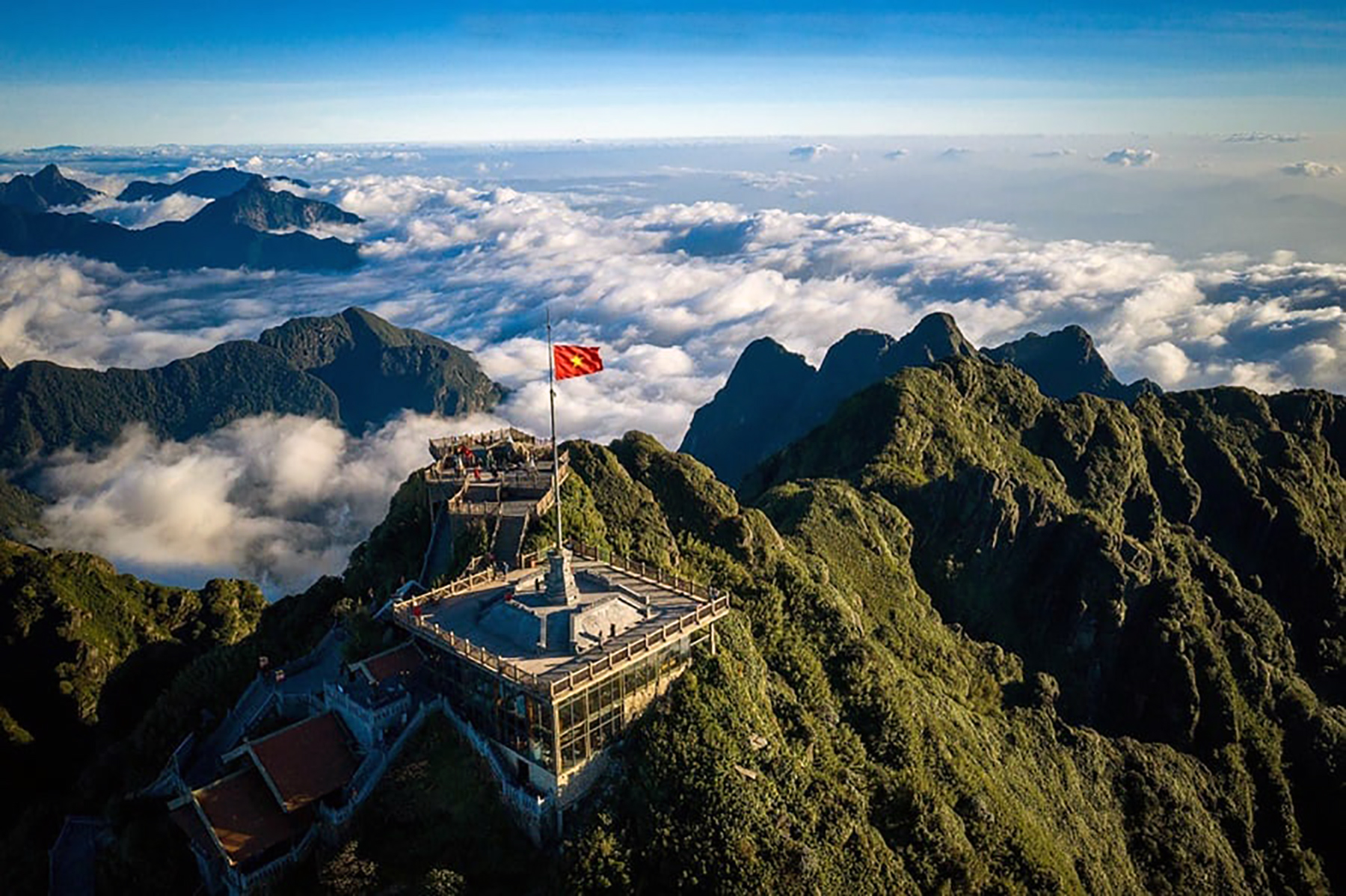
Fansipan
Rising to 3,143 metres, Fansipan is Vietnam’s highest mountain. On clear days, the summit offers sweeping views across the mountains of the north-west.
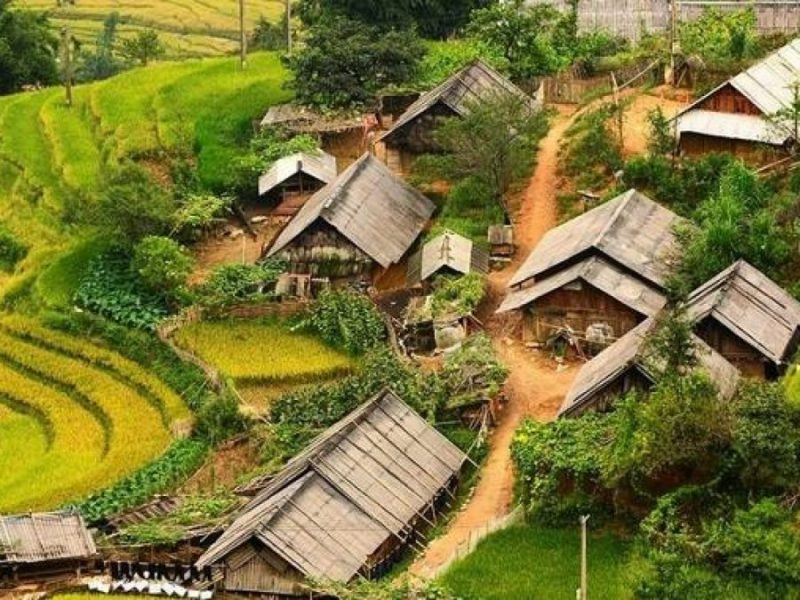
Tả Van Village
Tả Van lies in Muong Hoa Valley and is home to several ethnic communities. The village offers a peaceful setting of rice terraces, mountains and traditional houses.
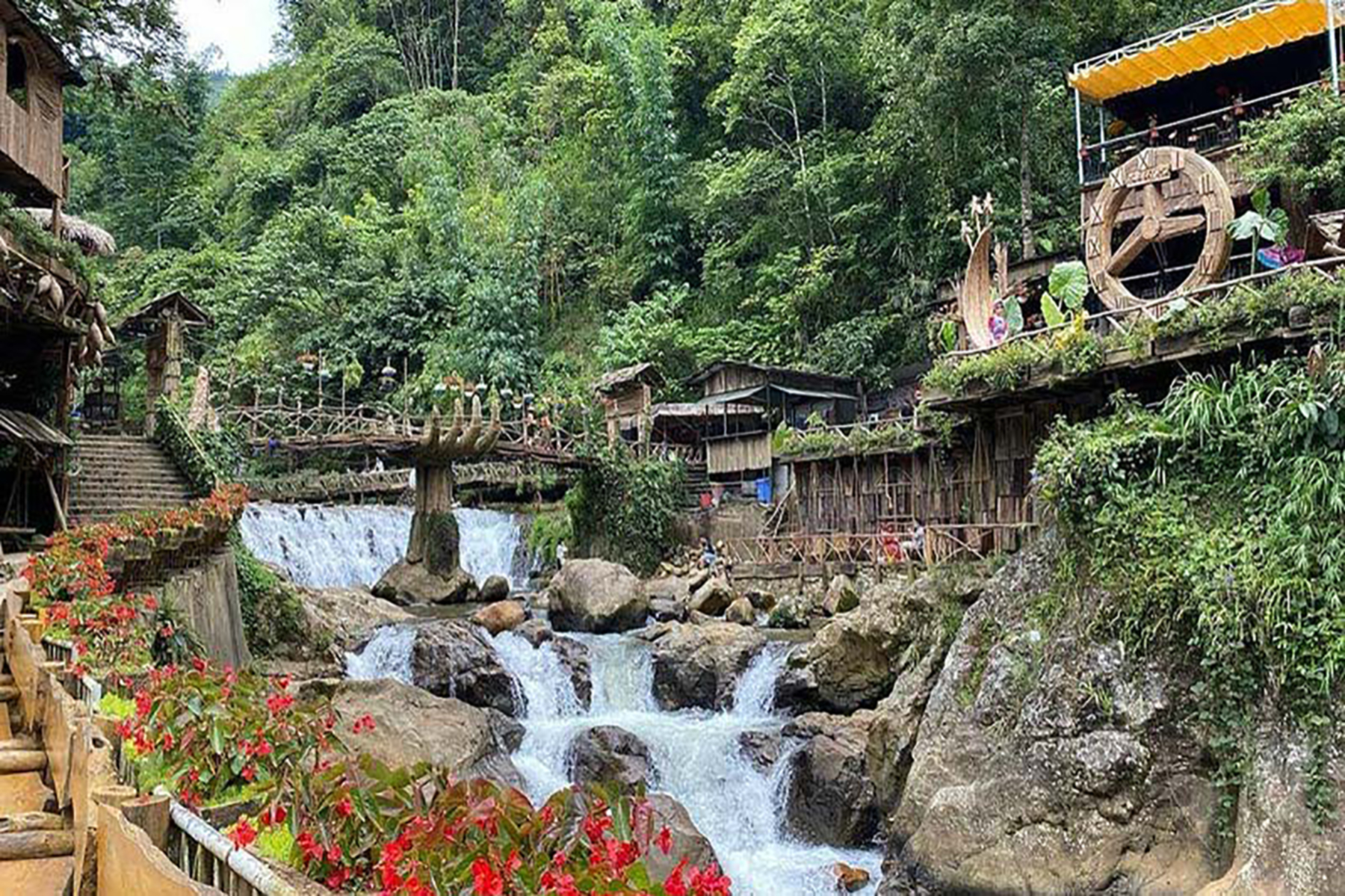
Cát Cát Village
Near Sapa, Cát Cát is a Hmong village surrounded by rice terraces and mountains. Visitors can discover traditional crafts, local houses and scenic valley landscapes.
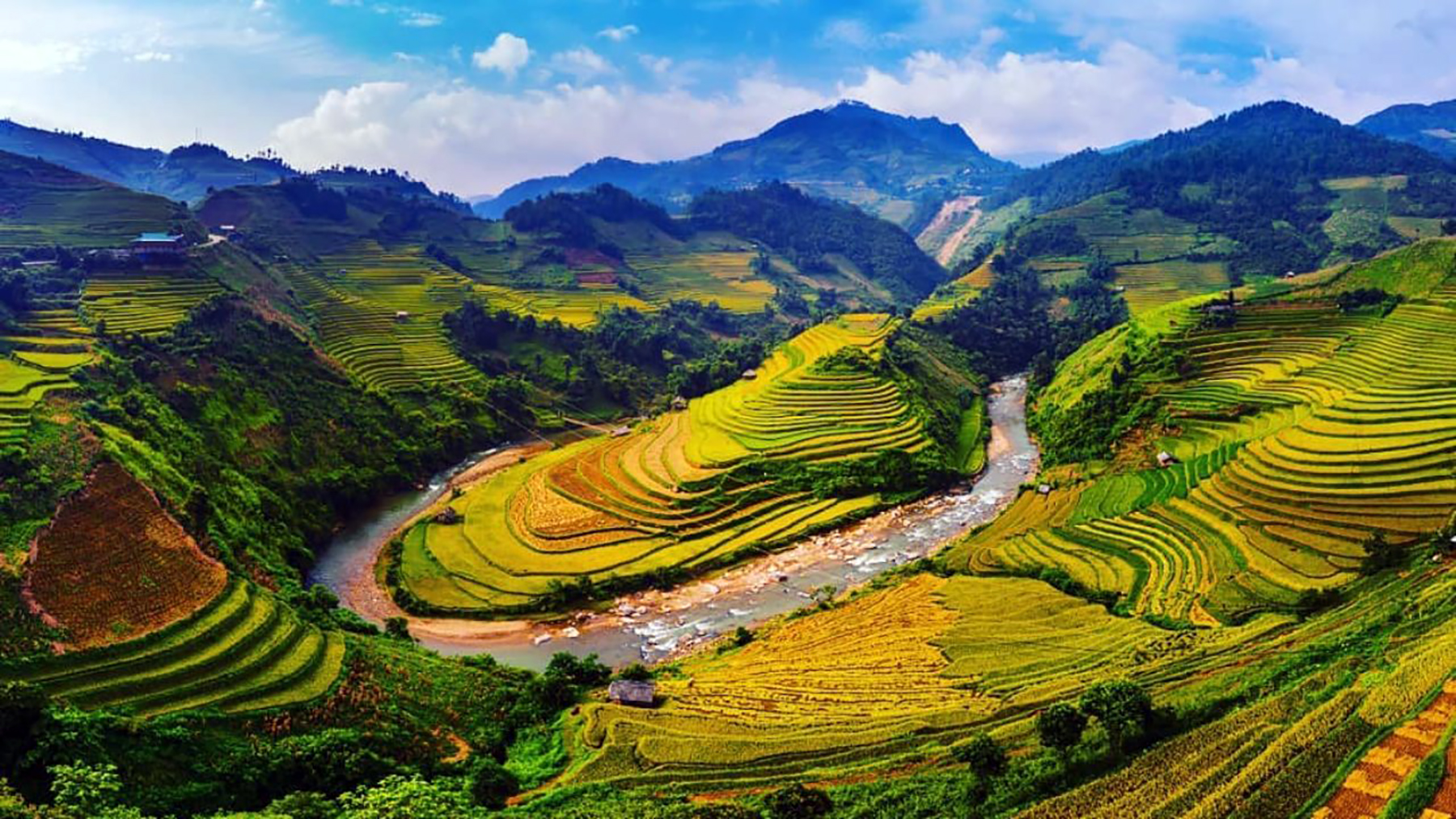
Mường Hoa Valley – Ancient Rock Field
Mường Hoa Valley is one of Sapa’s signature landscapes, with terraced rice fields, ethnic villages and mountains stretching along the river.
HA LONG BAY
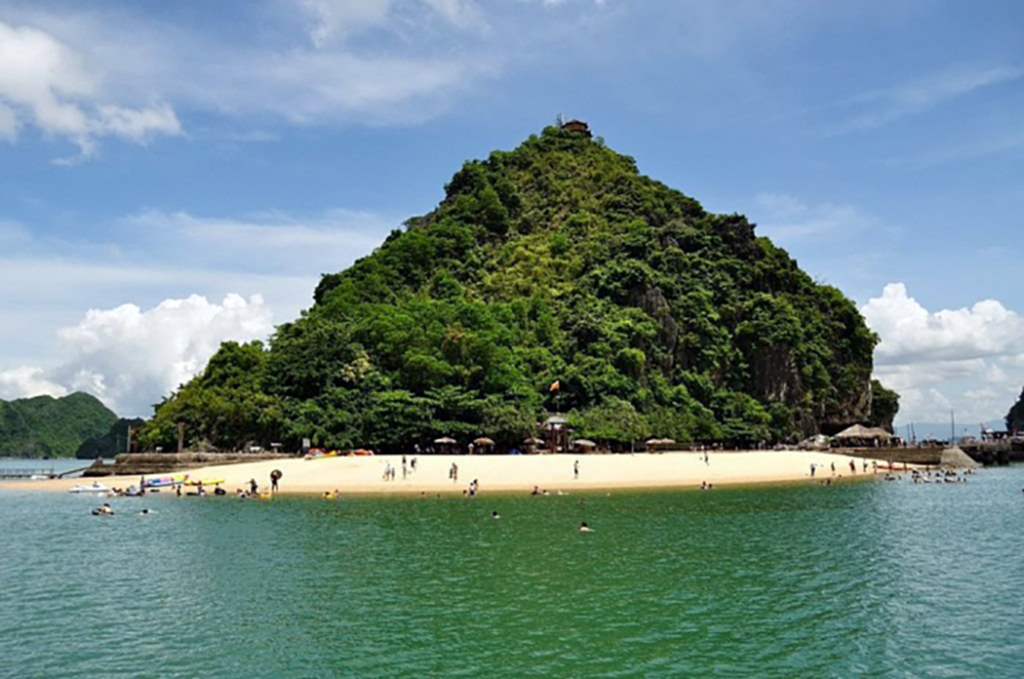
Ti Top Island
Ti Top Island combines a small beach with a hilltop viewpoint reached by steps. From the summit, visitors enjoy wide views over the limestone karsts of Ha Long Bay.
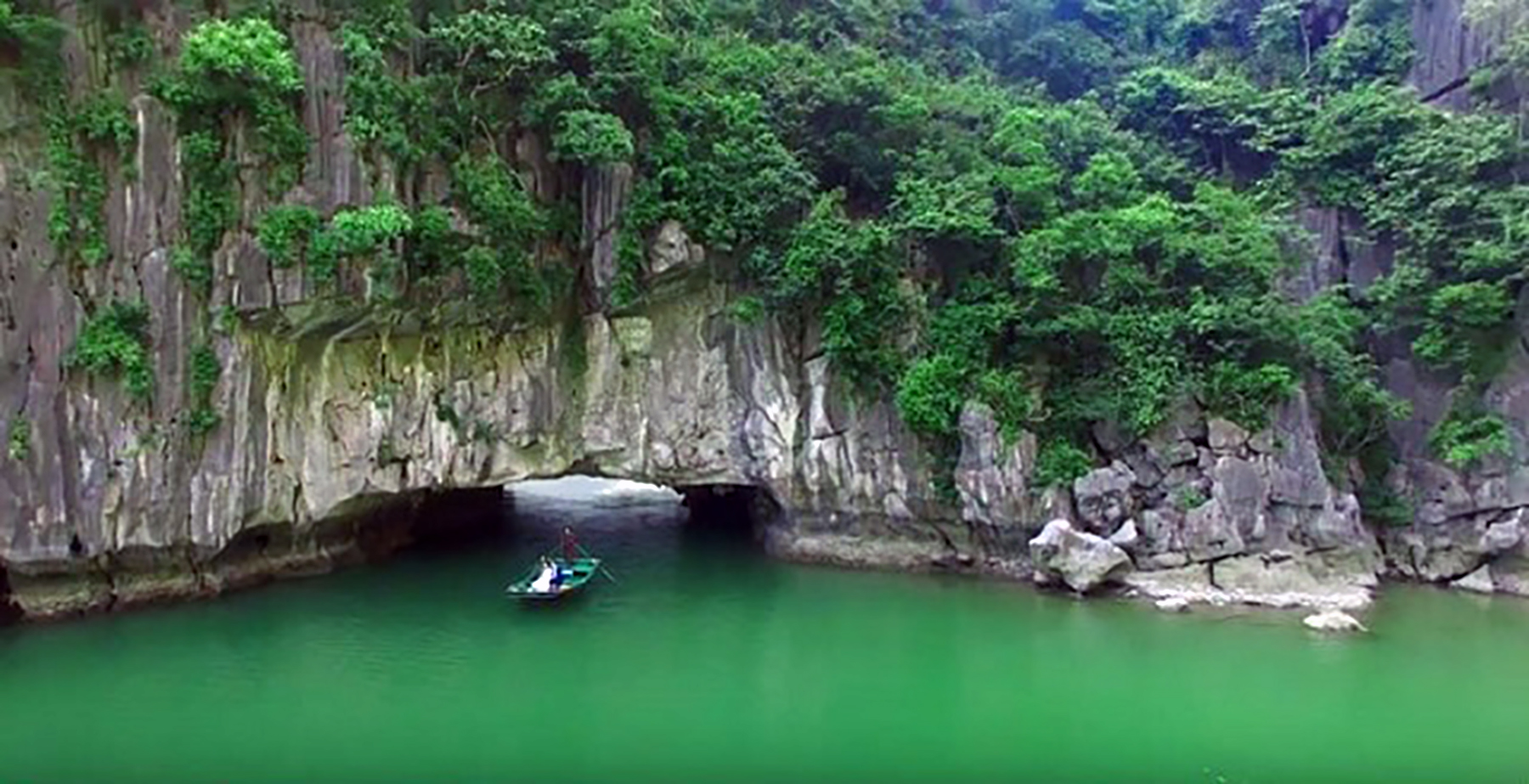
Luồn Cave
Luồn Cave opens at the foot of a limestone cliff and leads into a peaceful lagoon. It is usually explored by kayak or small rowing boat.
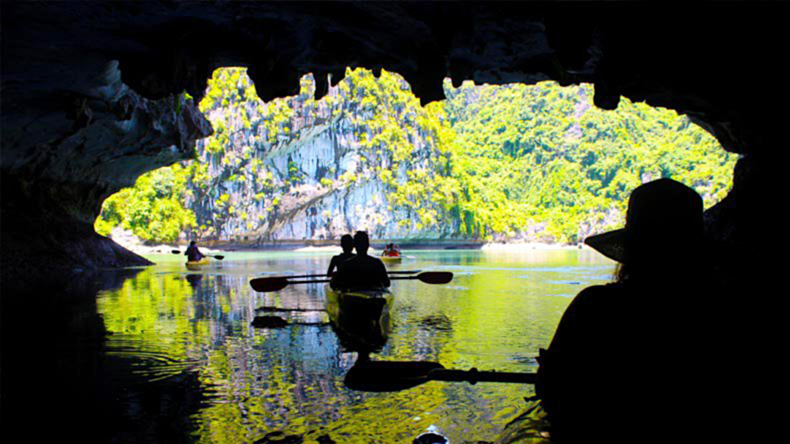
Sáng Tối Cave (Dark and Bright Cave)
This site combines rocky passages, calm lagoons and limestone cliffs. A kayak or rowing-boat trip is an ideal way to experience its natural scenery.
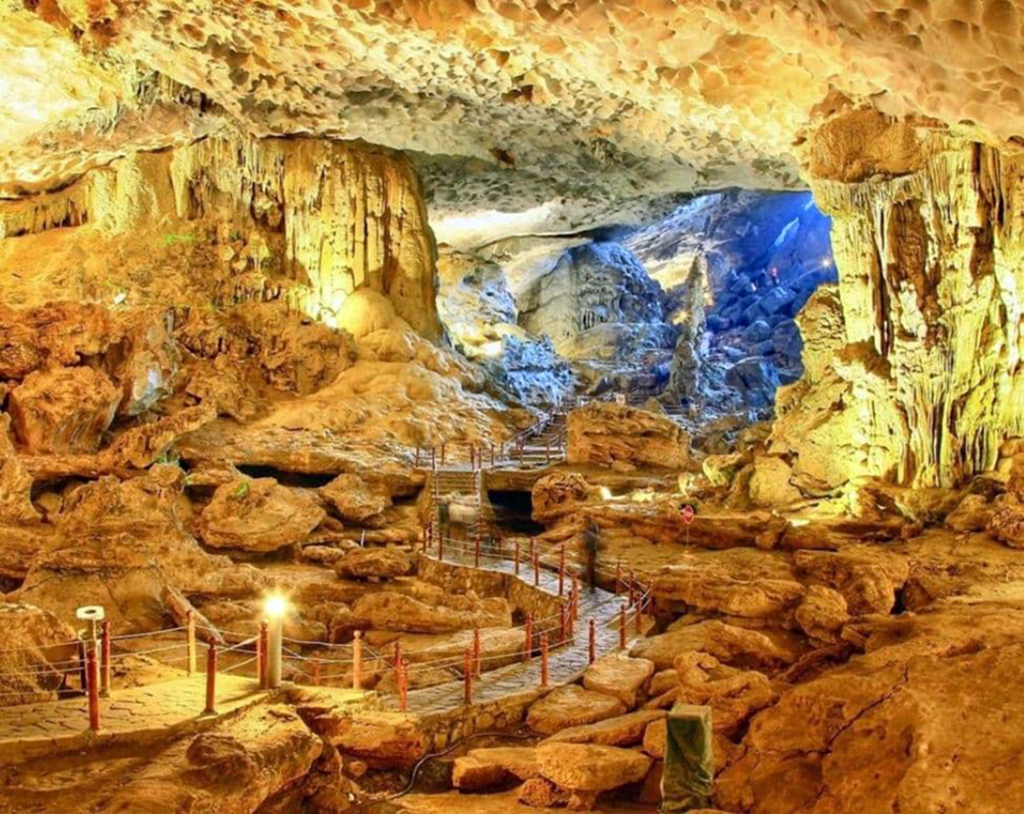
Surprise Cave
Sửng Sốt, or Surprise Cave, is famous for its vast chambers and impressive stalactite and stalagmite formations in the heart of Ha Long Bay.
INLAND HẠ LONG BAY
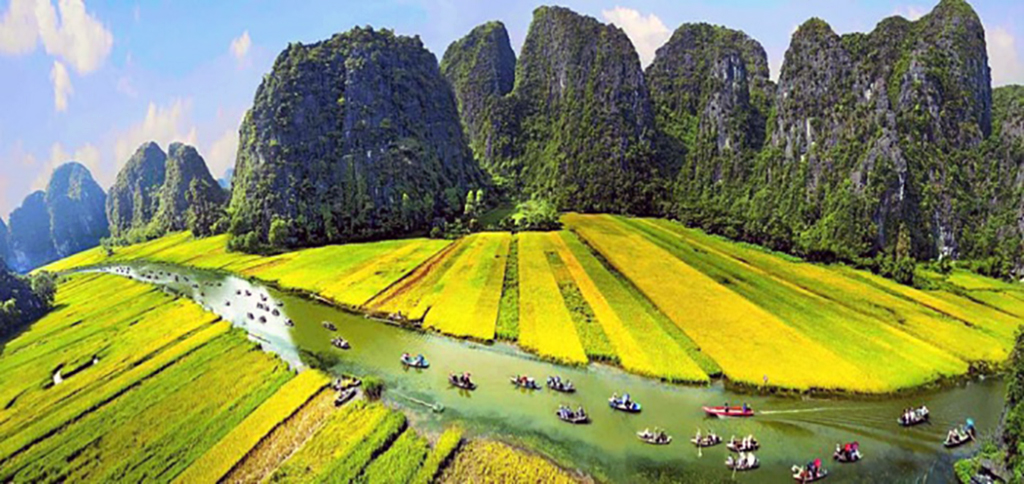
Vân Long Nature Reserve
Vân Long is a broad wetland surrounded by limestone cliffs. Its calm waters, protected scenery and rich biodiversity make it a peaceful excursion in Ninh Binh.
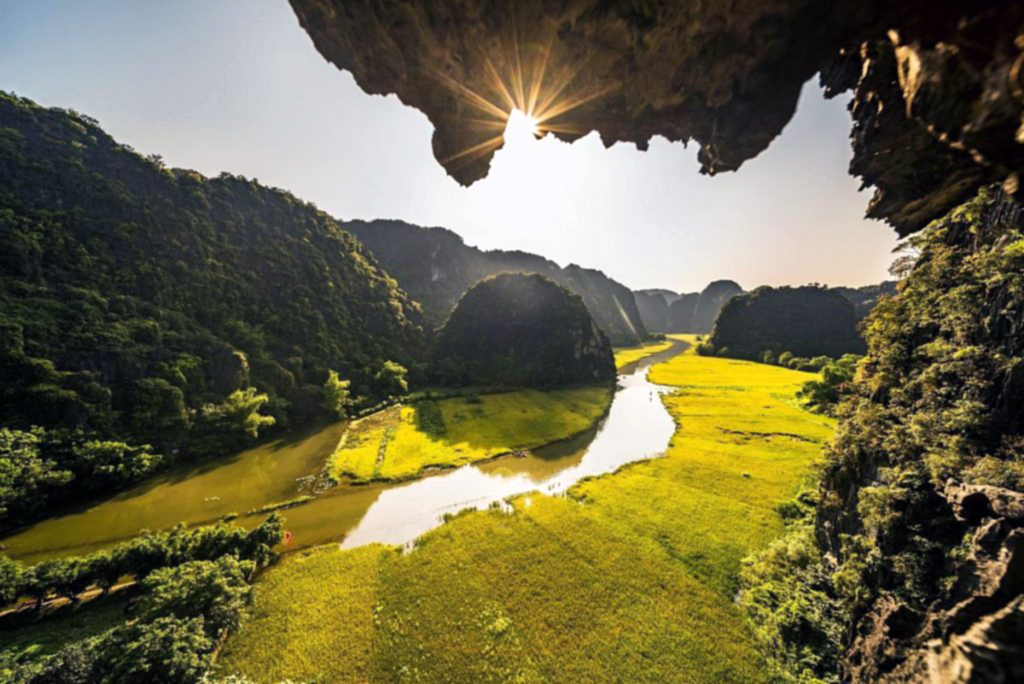
Tam Cốc – Bích Động
Tam Cốc – Bích Động is known for rivers, rice fields and limestone karsts. A rowing-boat trip passes through natural caves and peaceful rural scenery.
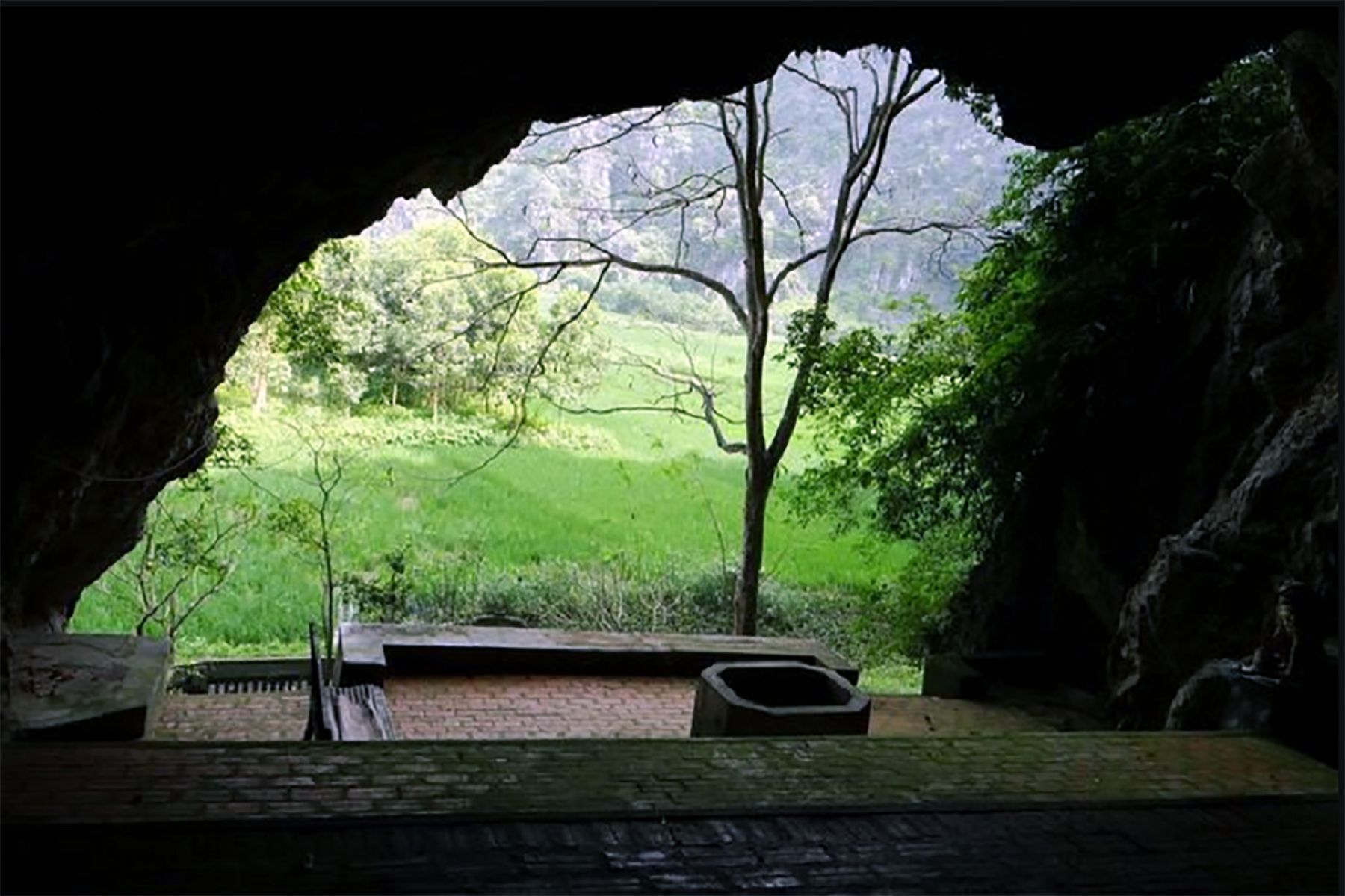
Thiên Hương Cave
Thiên Hương Cave is a peaceful limestone cave in the Ninh Binh area. Its cool atmosphere and natural formations offer a quiet stop among the region’s karst landscapes.
MAI CHÂU
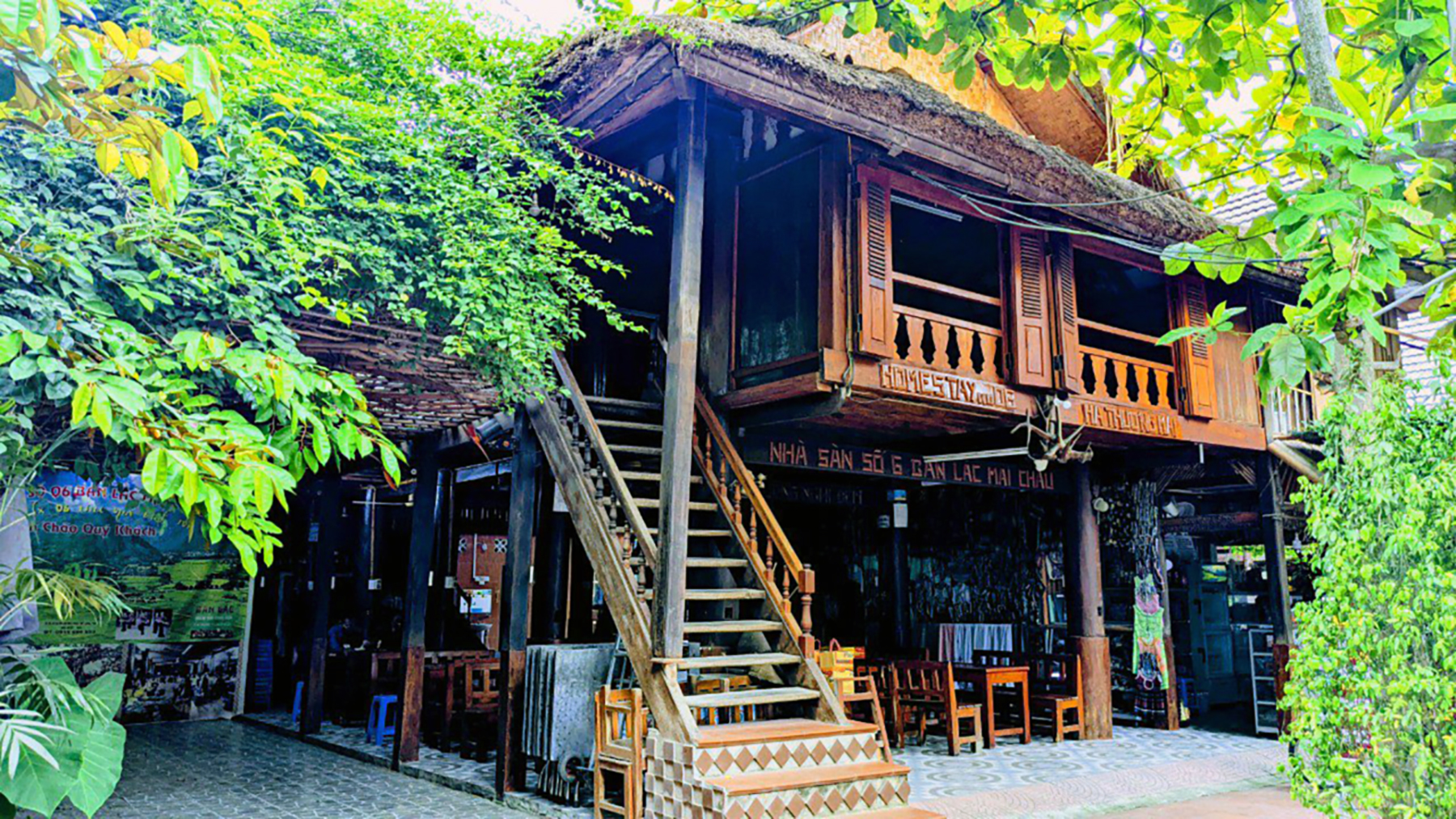
Lác Village
Several centuries old, Lác Village is one of the historic White Thai villages of Mai Châu. Stilt houses, handicrafts and rice fields define its traditional landscape.
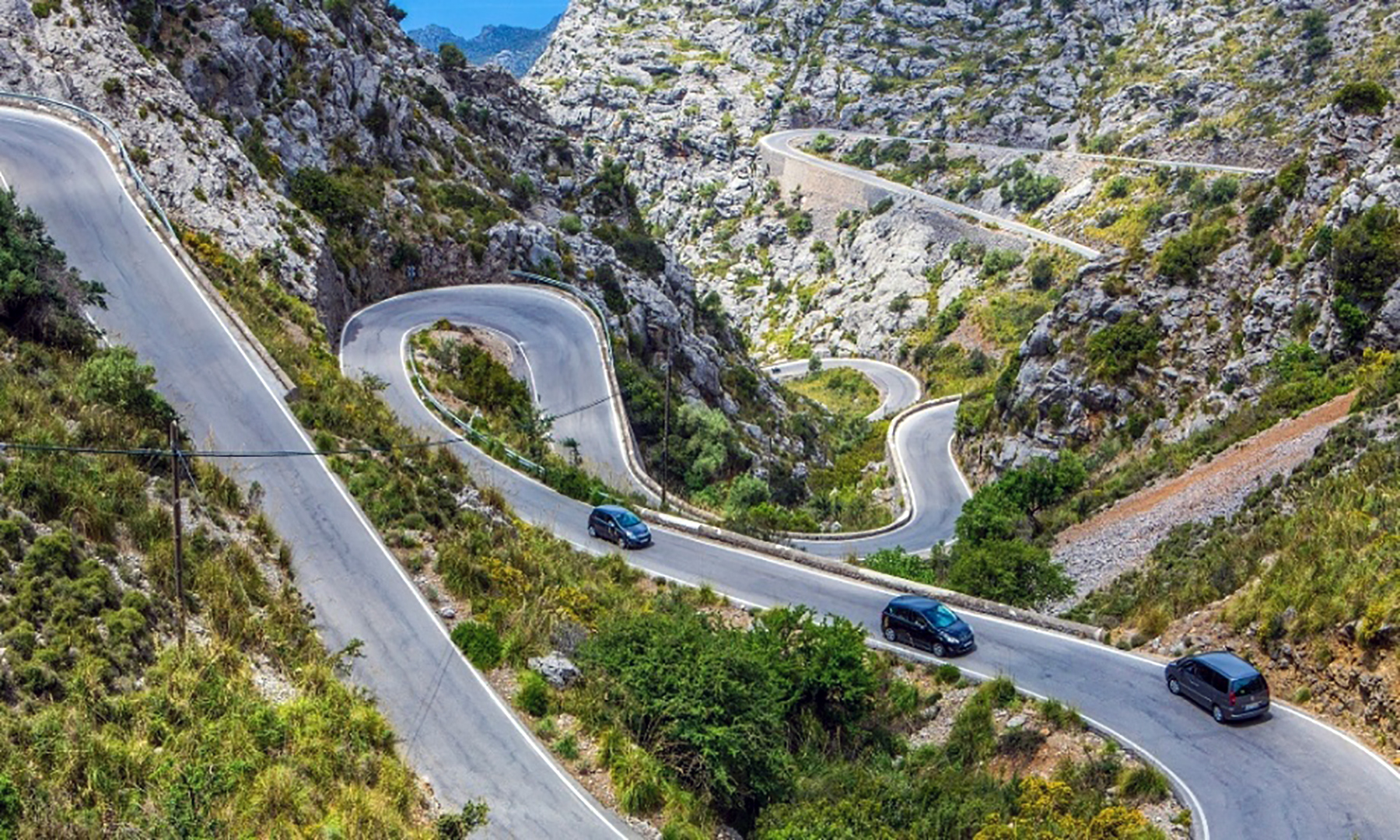
Thung Khe Pass
Thung Khe Pass, offers beautiful views over Mai Châu Valley. Its pale rock faces have also earned it the nickname “White Stone Pass”.
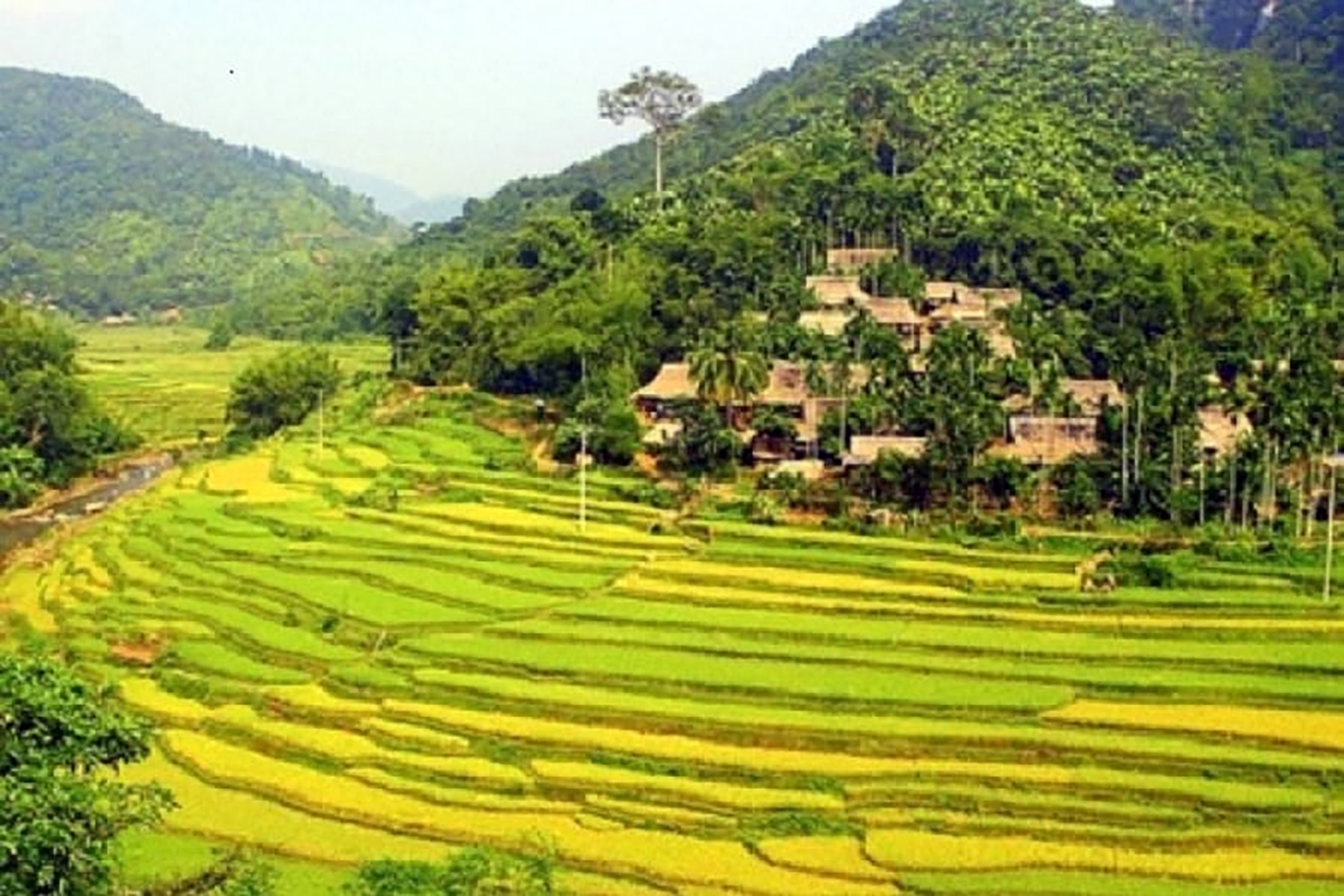
Pom Coong Village
A traditional Thai village in Mai Chau, Pom Coong is known for its stilt houses and rice fields.
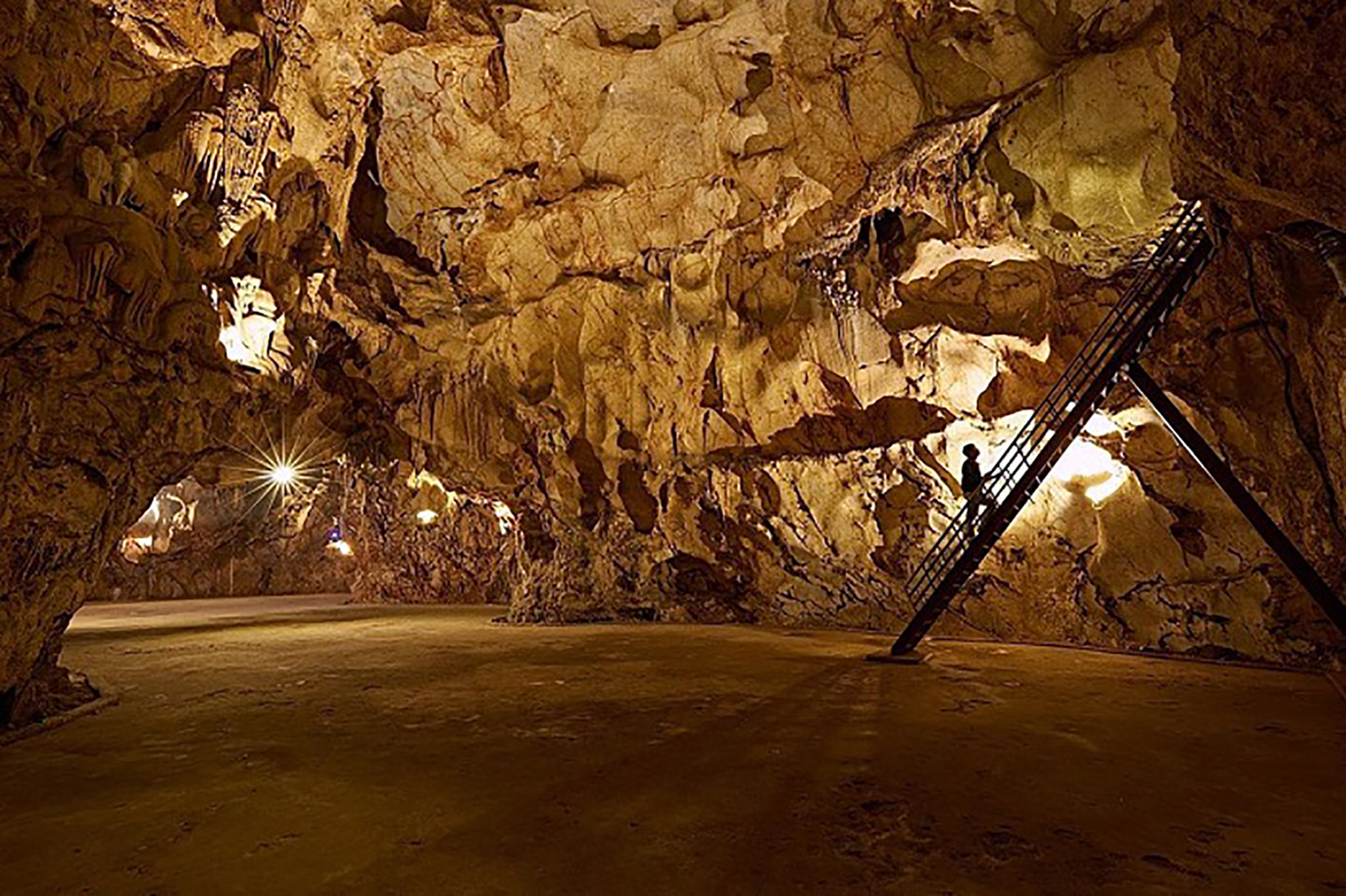
Mỏ Luông Cave
Near Mai Chau, Mỏ Luông Cave contains several chambers decorated with stalactites. It offers a short underground exploration in a natural limestone setting.
MÔC CHÂU
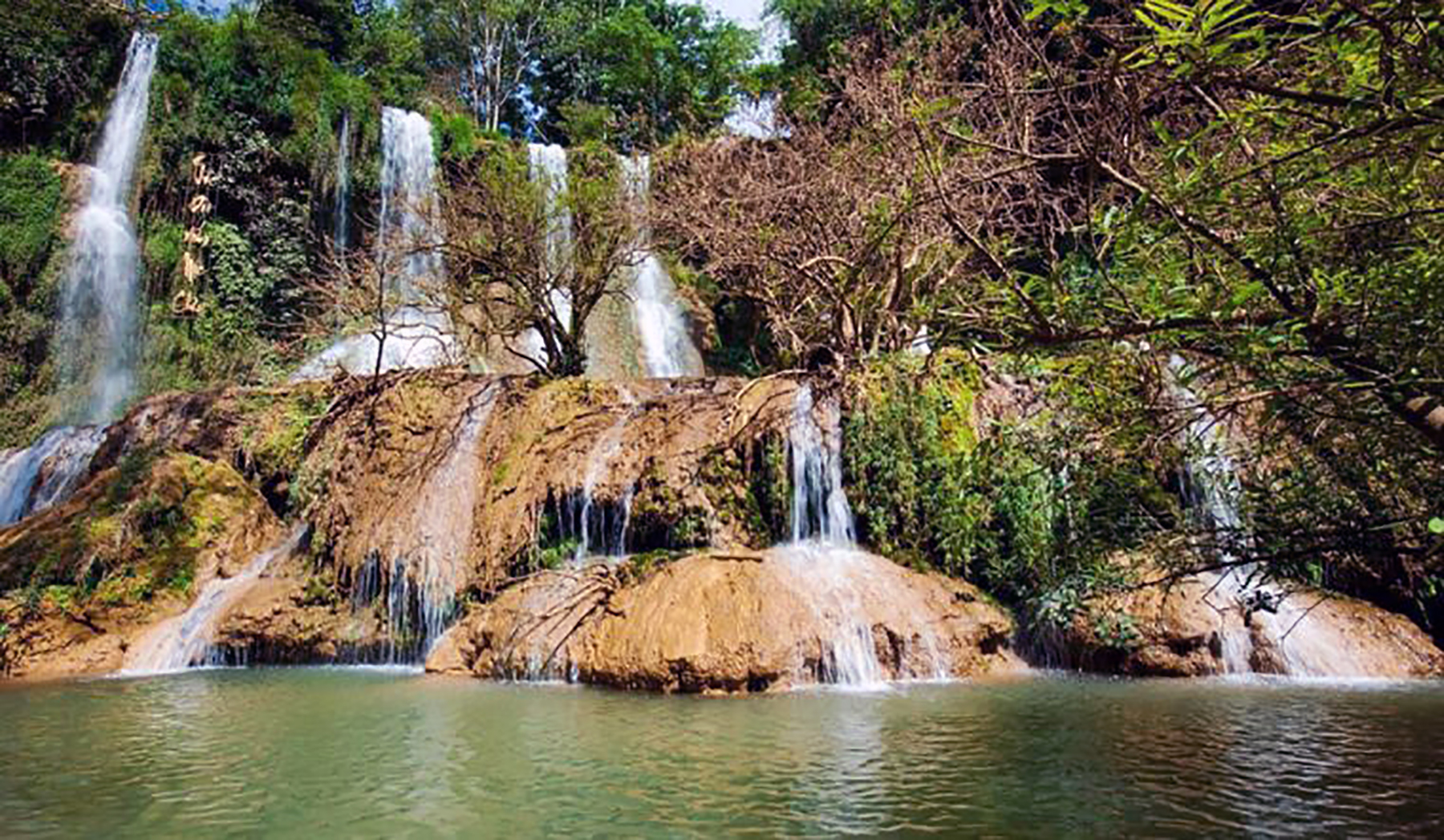
Dải Yếm Waterfall
Dải Yếm Waterfall descends in several tiers amid lush greenery. It is especially attractive during the rainy season, when the water flow is stronger.
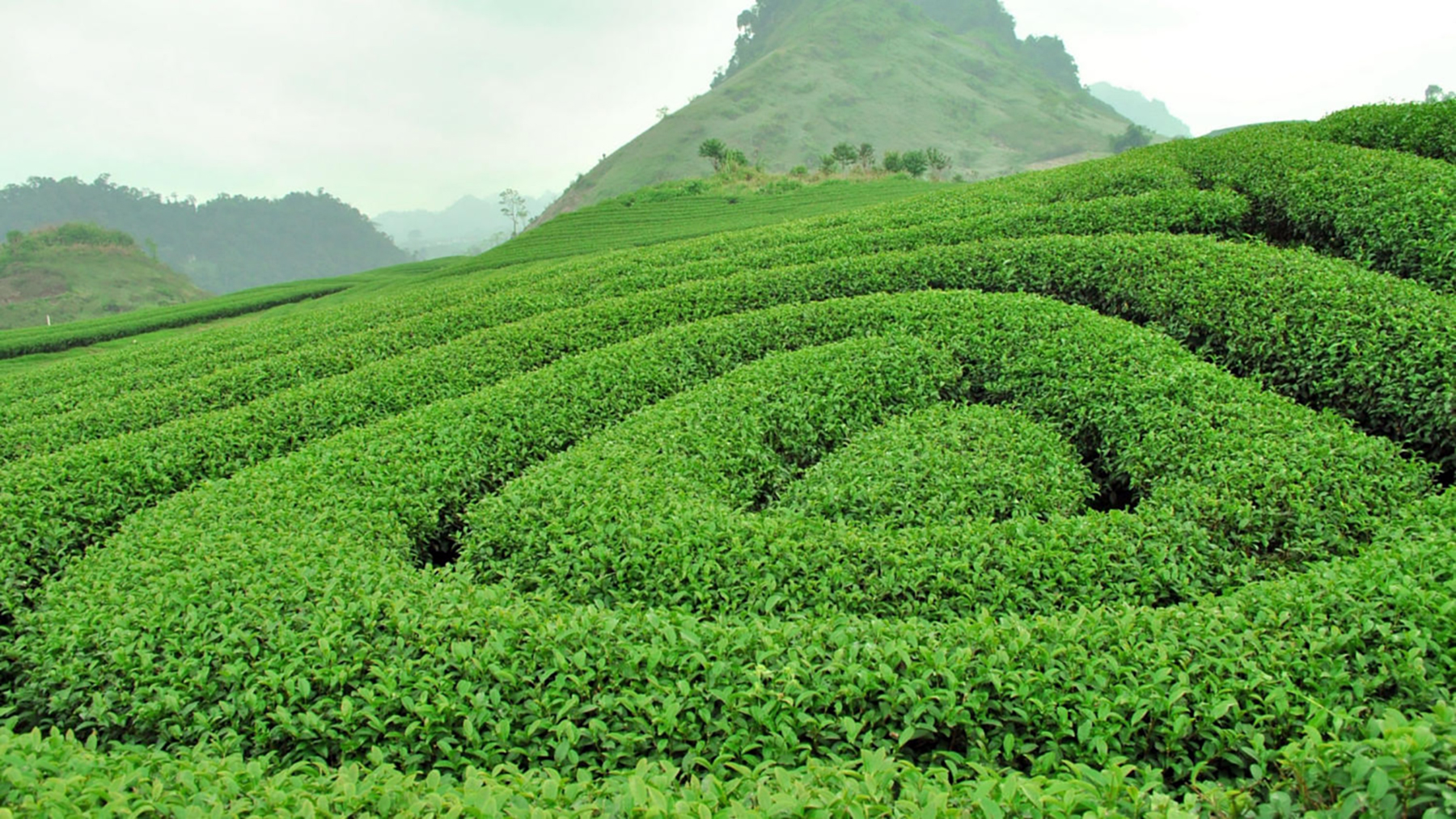
Heart-Shaped Tea Hill
Neatly trimmed tea rows form a heart shape among the hills of Mộc Châu. The site is popular for its green scenery and attractive photographic viewpoints.
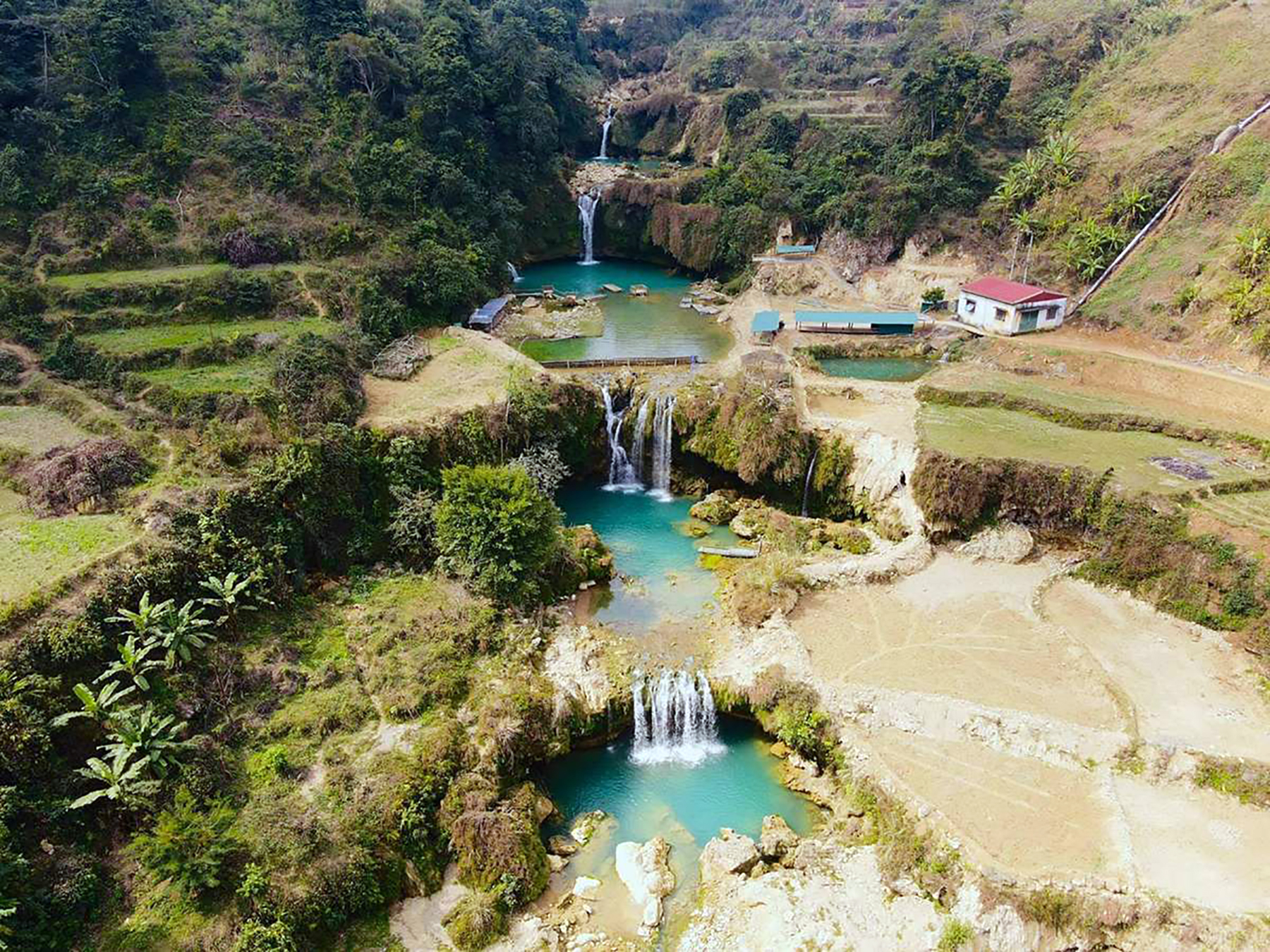
Chiềng Khoa Waterfall
Chiềng Khoa Waterfall features several cascades and clear pools. Surrounded by greenery, it offers a refreshing natural setting with a peaceful atmosphere.
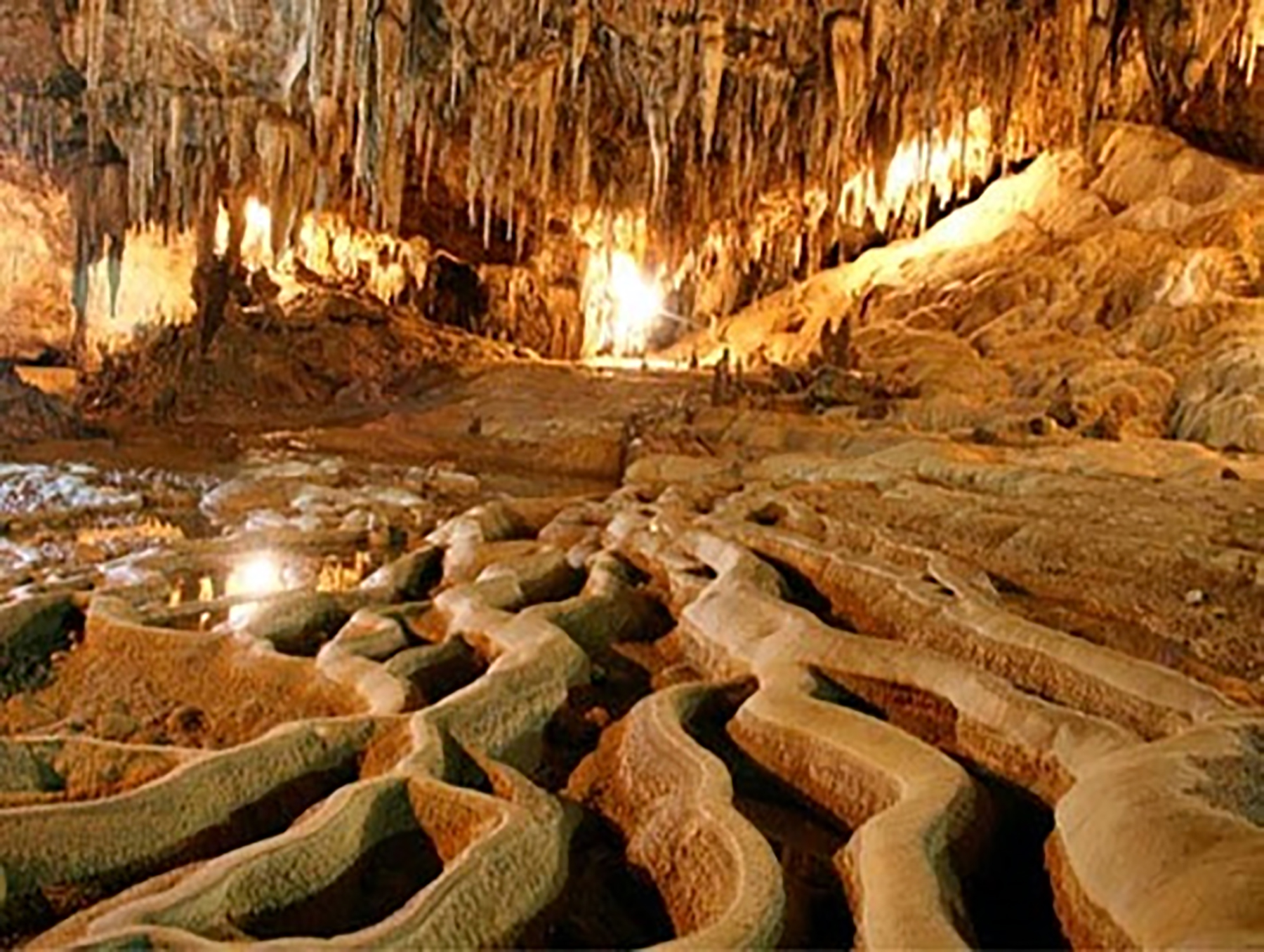
Bat Cave
Bat Cave,also known as Sơn Mộc Hương Cave, overlooks Mộc Châu. It contains attractive limestone formations and offers views across the surrounding area.
DIÊN BIÊN PHU
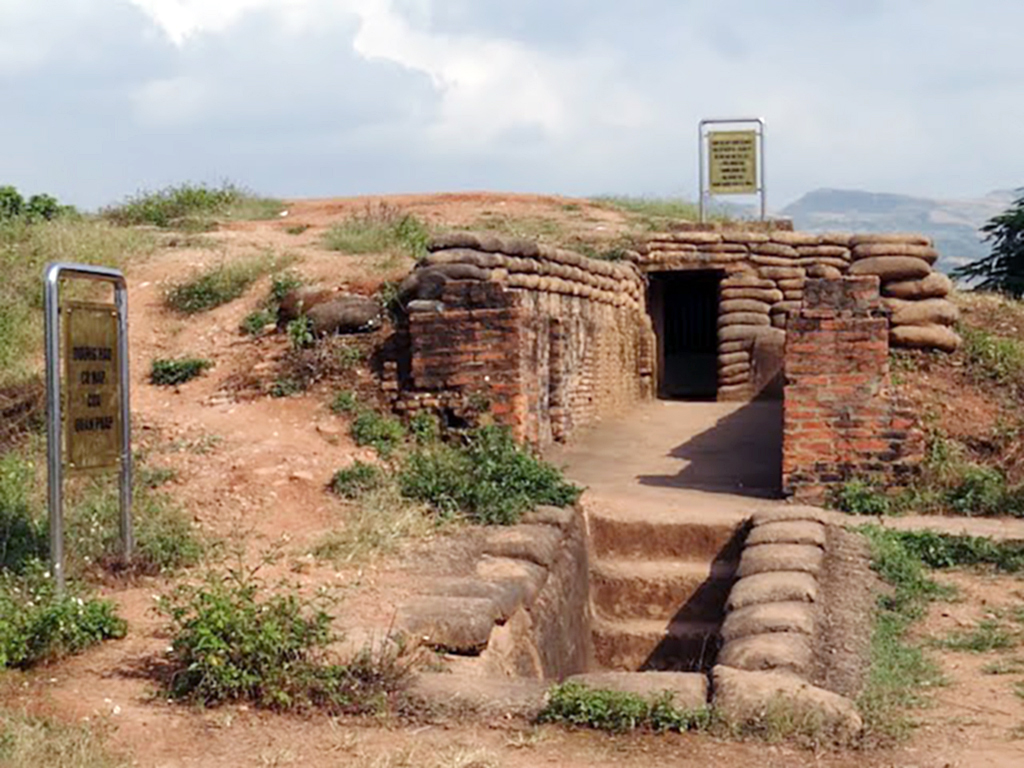
A1 Hill – Éliane 2
A1 Hill, known to the French as Eliane 2, was one of the key strategic positions during the Battle of Dien Bien Phu in 1954.
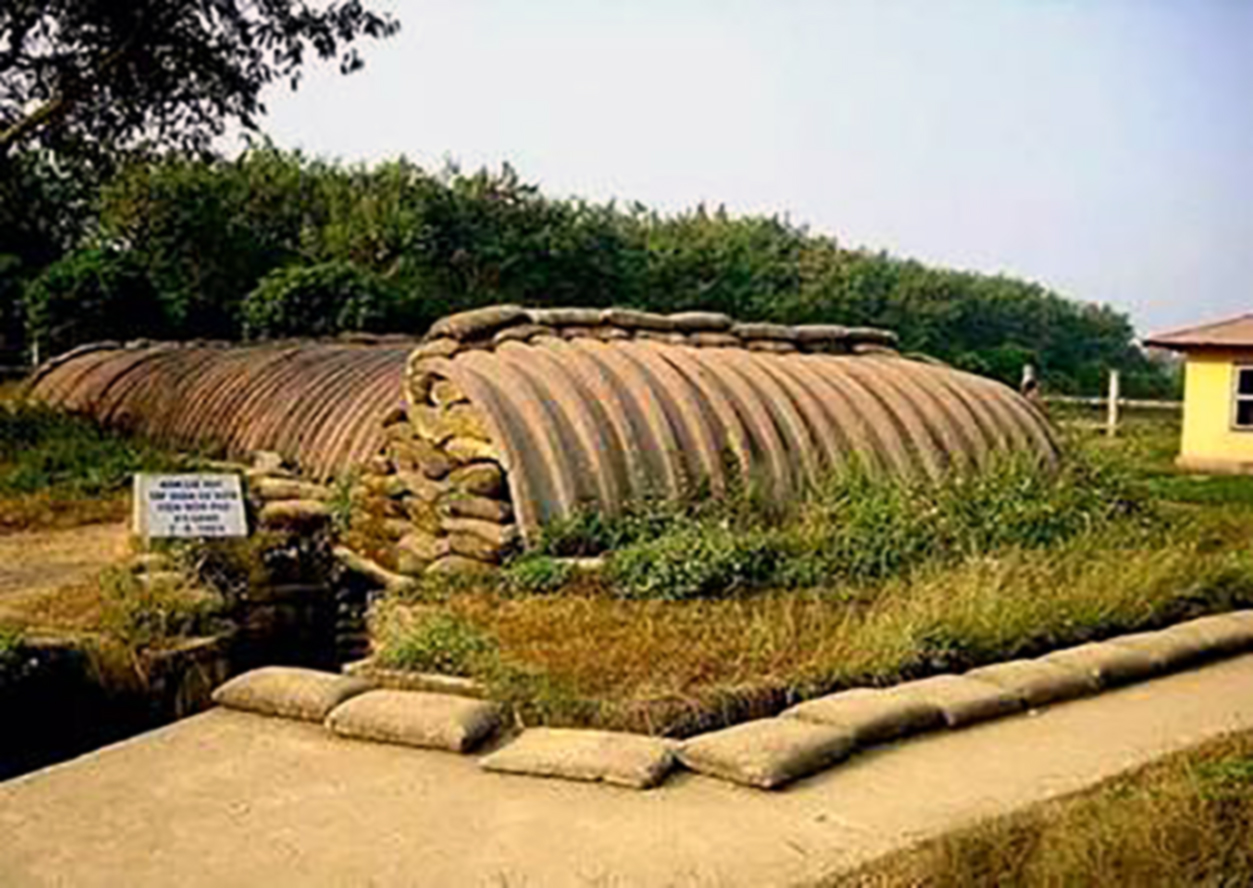
Christian de Castries’ Bunker
This bunker served as the command post of General Christian de Castries and his staff. Today, it is one of the main surviving sites of the Dien Bien Phu battlefield.
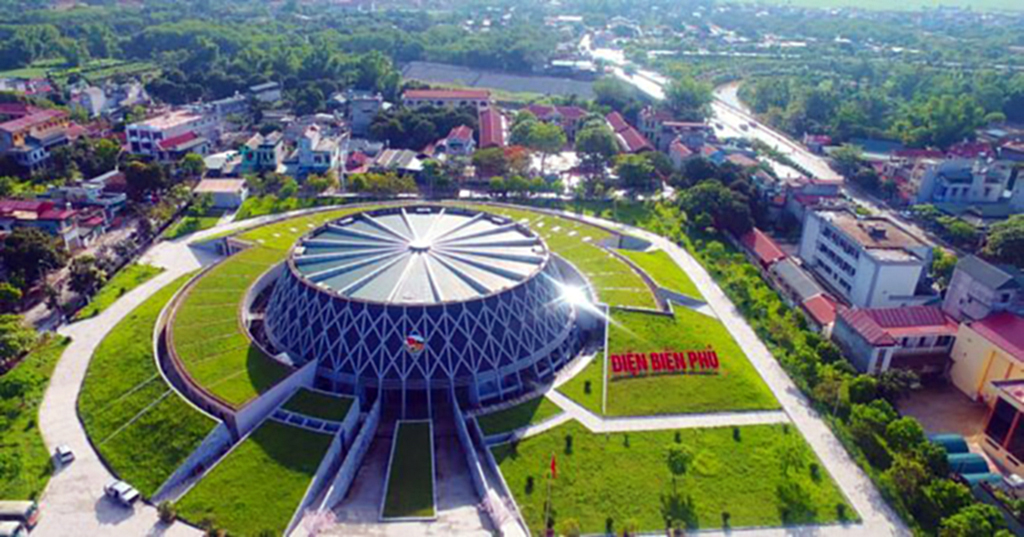
Điện Biên Phủ Victory Museum
The Dien Bien Phu Historical Victory Museum commemorates the historical significance of this famous victory, often described in Vietnam as “resounding across five continents and shaking the world.”