

ĐIỆN BIÊN PHỦ

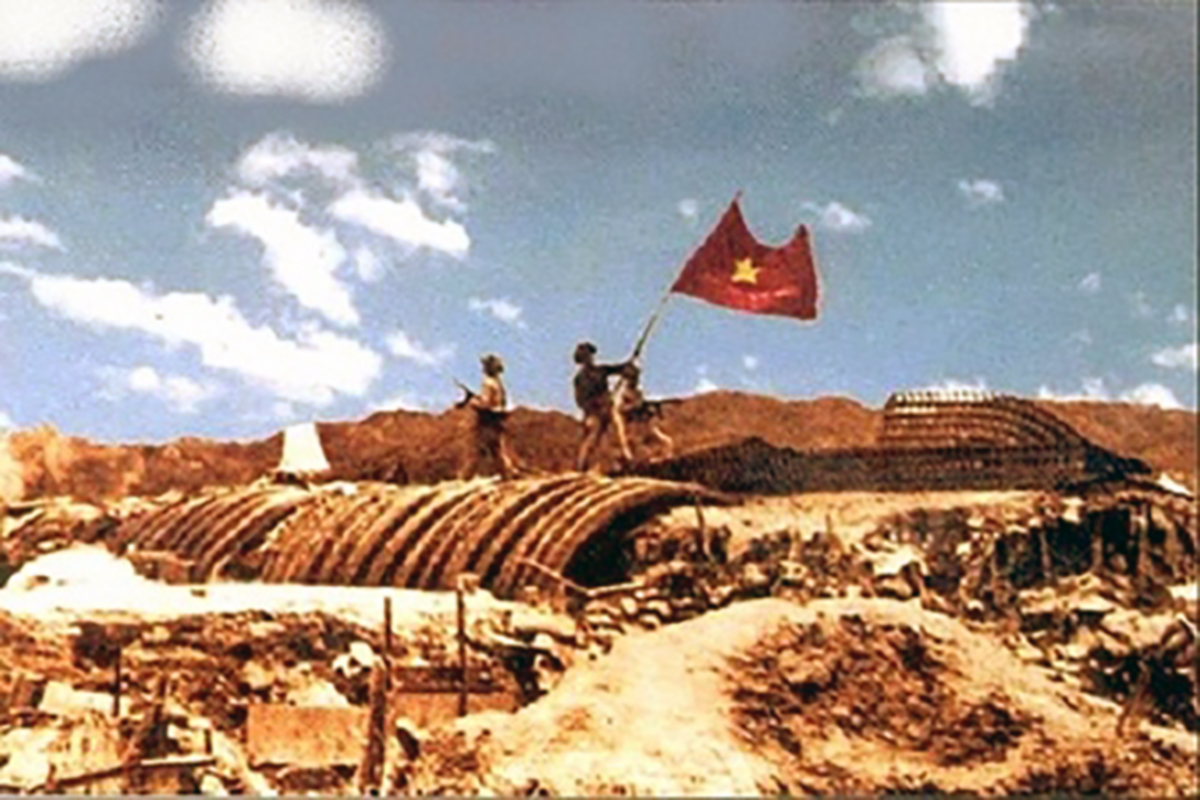
The city of Điện Biên Phủ is renowned for the historic Battle of Điện Biên Phủ in 1954, fought between the Việt Minh forces, commanded by General Võ Nguyên Giáp, and the French army, led by General Christian de Castries. This decisive battle played a crucial role in bringing French colonial rule in Indochina to an end and paved the way for the Geneva Accords, which established a temporary division of Vietnam into North and South.

During the battle, Việt Minh forces transported their artillery onto the hills surrounding the French fortified camp and launched attacks against French positions. Through an extraordinary mobilisation of manpower and an extensive logistical network, the Việt Minh achieved one of the most significant victories in Vietnam’s military history.

(Photo: Archive)

Best Time to Visit Điện Biên Phủ

Điện Biên Phủ can be visited all year round, with each season offering its own unique charm.


Places to Visit in Điện Biên Phủ

A1 Hill

(Photo: Archive)

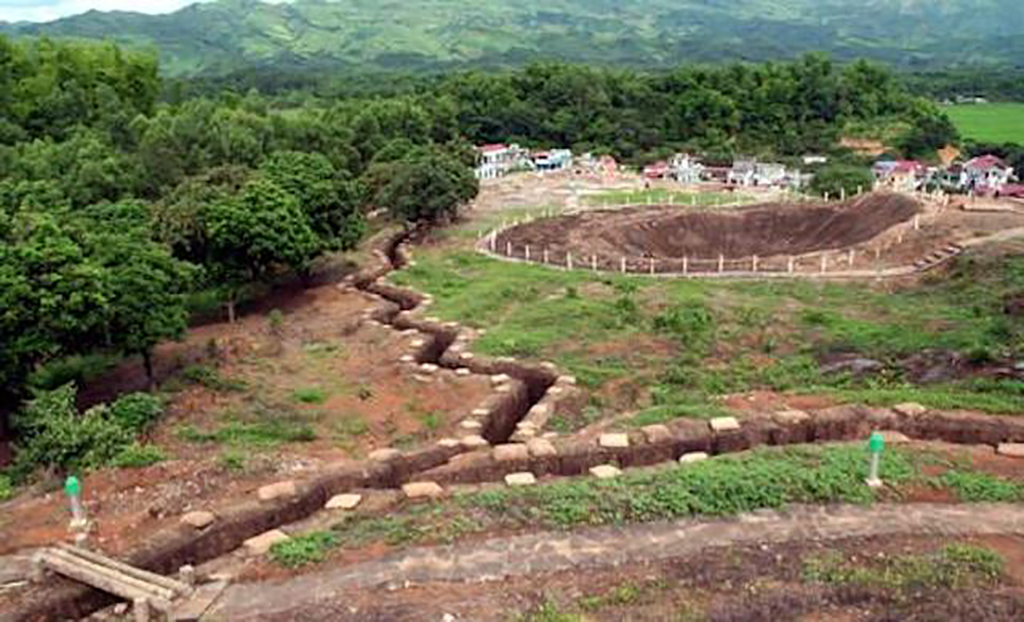
A1 Hill is one of the most important historical sites in Điện Biên Phủ. Along with Mường Thanh, Him Lam, Hồng Cúm and the Mường Phăng headquarters, it is one of the emblematic landmarks associated with the historic 1954 campaign. This hill was the scene of one of the fiercest battles, which lasted nearly 39 days and nights.

A1 Hill, known to the French as Éliane 2, was part of the network of fortified positions located east of the Mường Thanh Valley. Rising approximately 49 metres above the surrounding terrain, the hill has an oval shape, measuring about 200 metres in length and 80 metres in width. Its commanding position made it a strategic location for organising the defence of the French fortified camp.

Several other important defensive positions surrounded A1 Hill, including C1, C2, A2 and A3. These strongholds allowed French forces to provide mutual support and establish a dense network of defensive fire around the hill. To the west, positions A2 and A3 also helped protect the flanks and facilitate counterattacks.
(Photo: Archive)

A1 Hill had long been a fortified position. The French had reinforced its existing defensive structures, converting some tunnels and buildings into underground shelters. A stone-built tunnel beneath the former French administrator’s residence was used as a bunker and battalion command post. Communication trenches also connected A1 to A3 and the centre of Mường Thanh, allowing troops to move more discreetly between positions.

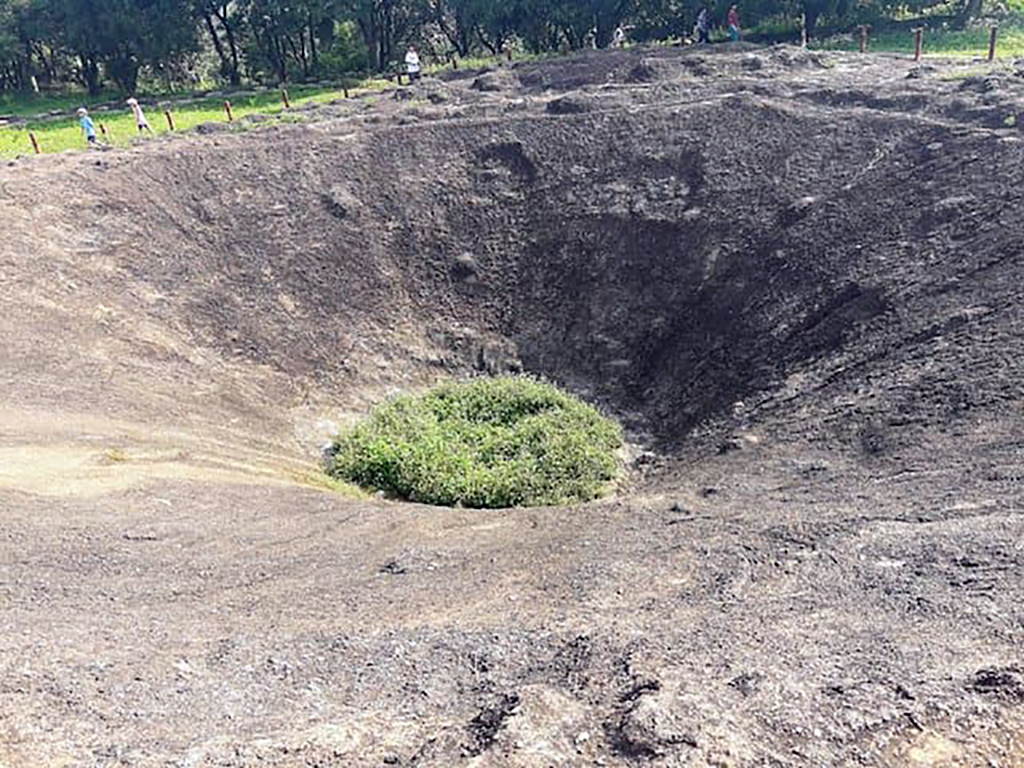
Due to its strategic location and strong defensive system, A1 Hill was one of the most difficult positions to capture. Despite several successive attacks, the Vietnamese People’s Army initially managed to gain control of only part of the hill. On May 6, 1954, after secretly digging a tunnel and placing an explosive charge of approximately one tonne beneath the fortifications, Vietnamese forces finally succeeded in capturing the position.

The Battle of A1 Hill was one of the fiercest confrontations of the entire Điện Biên Phủ campaign, claiming the lives of more than 2,000 Vietnamese officers and soldiers. Today, the site remains an important place of remembrance, honouring the courage and sacrifices of those who fought and highlighting the historical significance of the victory at Điện Biên Phủ.
 

Christian de Castries’ Command Bunker

(Photo: Archive)

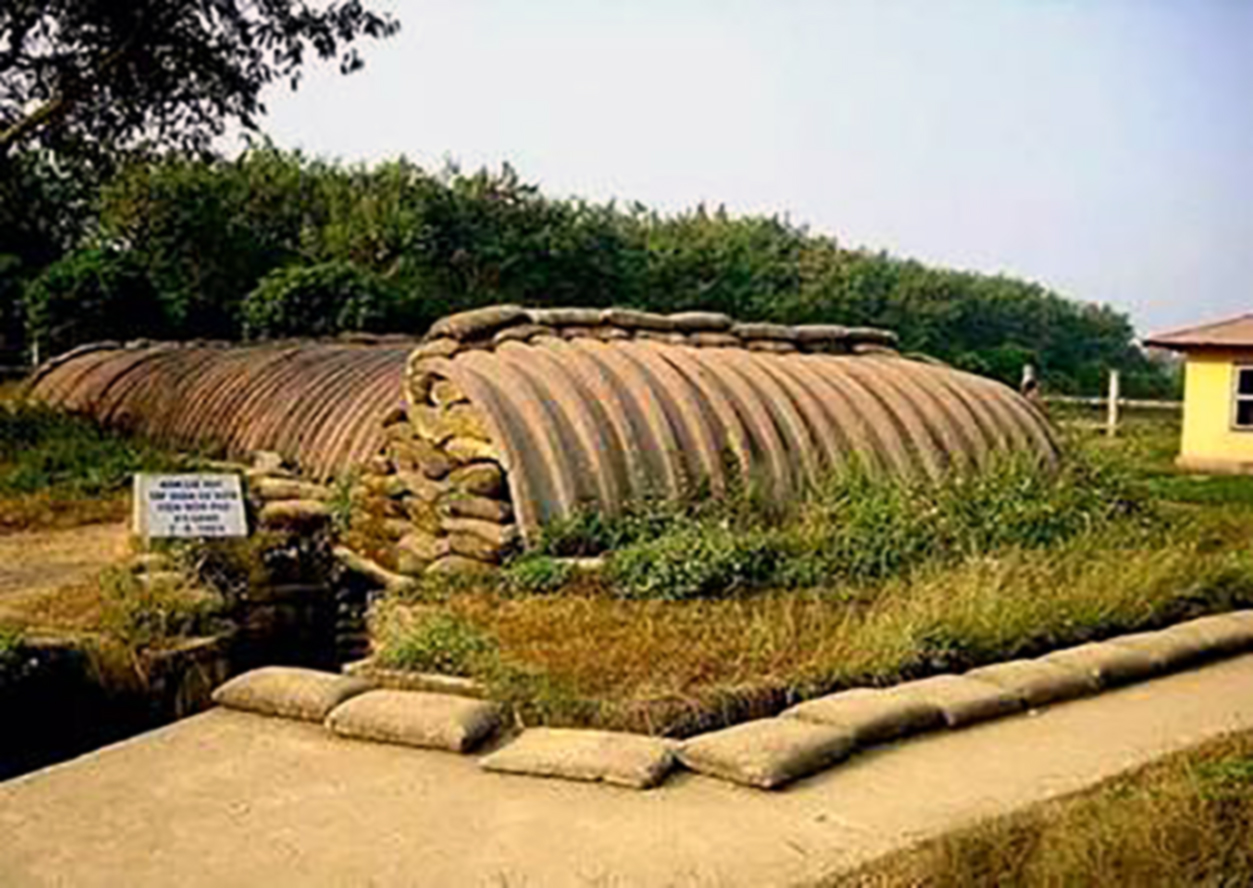
The command bunker of Christian de Castries, also known as Đờ Cát Bunker or the GONO Headquarters, is located in the centre of the former French fortified camp at Điện Biên Phủ. Measuring approximately 20 metres in length and 8 metres in width, it was divided into several compartments used for military operations, rest and command activities.

It was from this bunker that General Christian de Castries directed French military operations during the Battle of Điện Biên Phủ. The site also received several French and foreign officials, as well as journalists who came to follow developments on the battlefield.

May 7, 1954, marked the end of the GONO Headquarters. Following the fall of A1 Hill in the early hours of the morning, French forces found themselves in an increasingly desperate situation. While they were still attempting to organise their defences, the Vietnamese command launched a general assault that afternoon against French positions around Mường Thanh.

Under mounting pressure from the Vietnamese People’s Army, the fortified positions surrounding the headquarters were gradually overcome. The French stronghold progressively lost its ability to resist, and the GONO Headquarters was eventually forced to raise the white flag.

At 5:30 p.m. on May 7, 1954, General Christian de Castries was captured by Vietnamese soldiers inside his command bunker. This event marked the end of the Battle of Điện Biên Phủ and became one of the most powerful symbols of the Vietnamese victory in 1954.

Diên Biên Phu Historical Victory Museum

The Điện Biên Phủ Historical Victory Museum is located in the centre of Điện Biên Phủ city, opposite the A1 Hill Martyrs’ Cemetery. It is one of the must-visit historical sites for travellers wishing to gain a deeper understanding of the famous 1954 battle and the significance of this victory in Vietnam’s history.

The first Điện Biên Phủ Museum was built in 1984 to commemorate the 30th anniversary of the victory. It was later renovated and reorganised to provide a more comprehensive presentation of historical documents, artefacts and photographs related to the Điện Biên Phủ campaign.

(Photo: Archive)

The new Điện Biên Phủ Historical Victory Museum was built on a vast 22,000 m² site and inaugurated on May 5, 2014, to commemorate the 60th anniversary of the victory. Its distinctive architecture was inspired by the camouflage hats once worn by soldiers during the Điện Biên Phủ campaign, a simple yet deeply meaningful symbol of this historic event.

The building consists of a basement and an upper floor. The basement welcomes visitors and features spaces for exhibitions,交流 and exploration. The upper floor is dedicated to the permanent exhibition on the historic victory of Điện Biên Phủ.

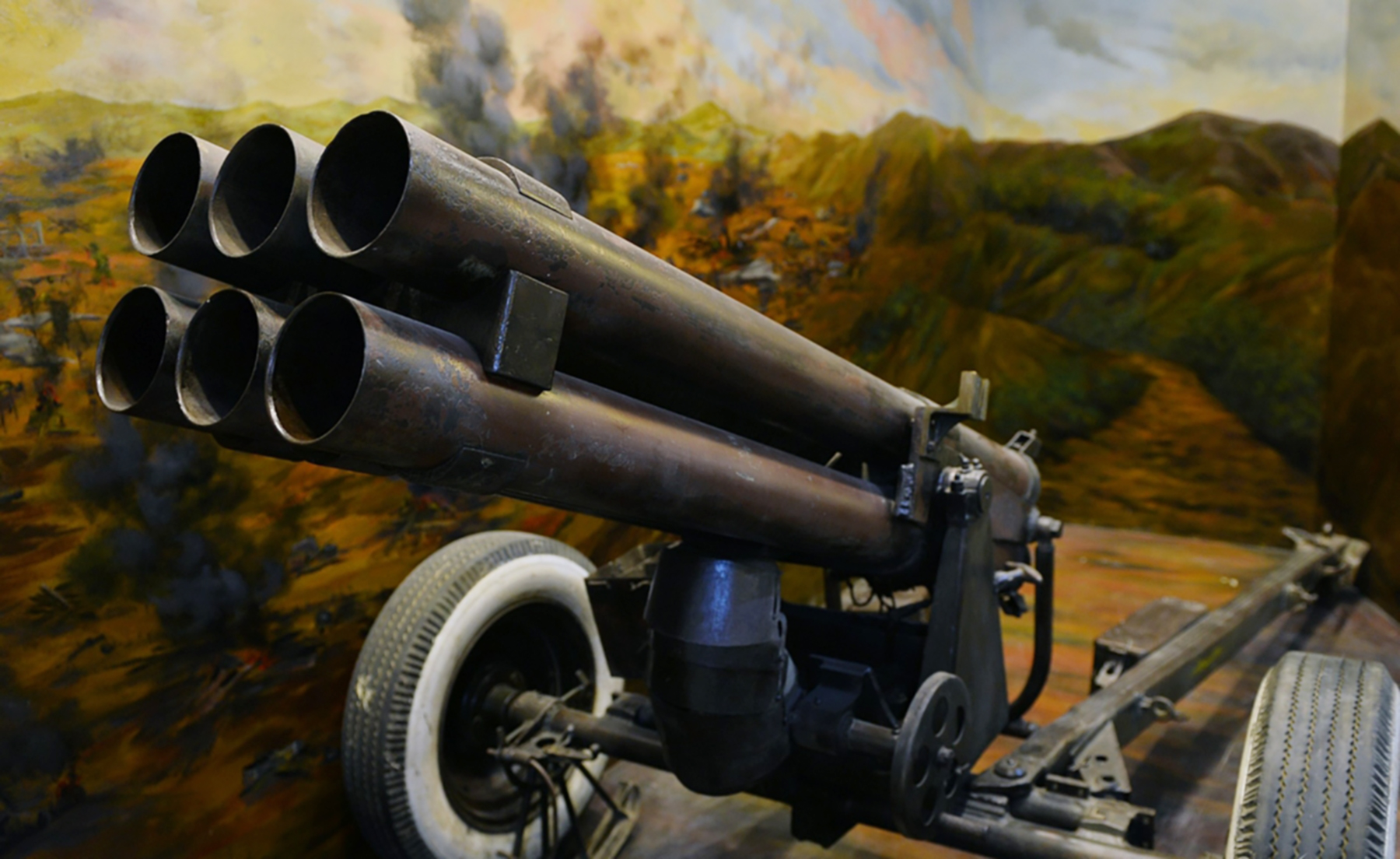
The museum houses nearly 1,000 artefacts, documents and photographs organised into several themes: the years of resistance against French colonial rule, the events of the Điện Biên Phủ campaign, international support, the global impact of the victory, and a hall of honour dedicated to the memory of those who fought.

Through its collections, historical documents and murals depicting key moments of the battle, the museum offers visitors a vivid and moving insight into the Điện Biên Phủ campaign. It is an essential place of remembrance for understanding the courage, sacrifices and historical significance of this victory.