Tiên Son Cave
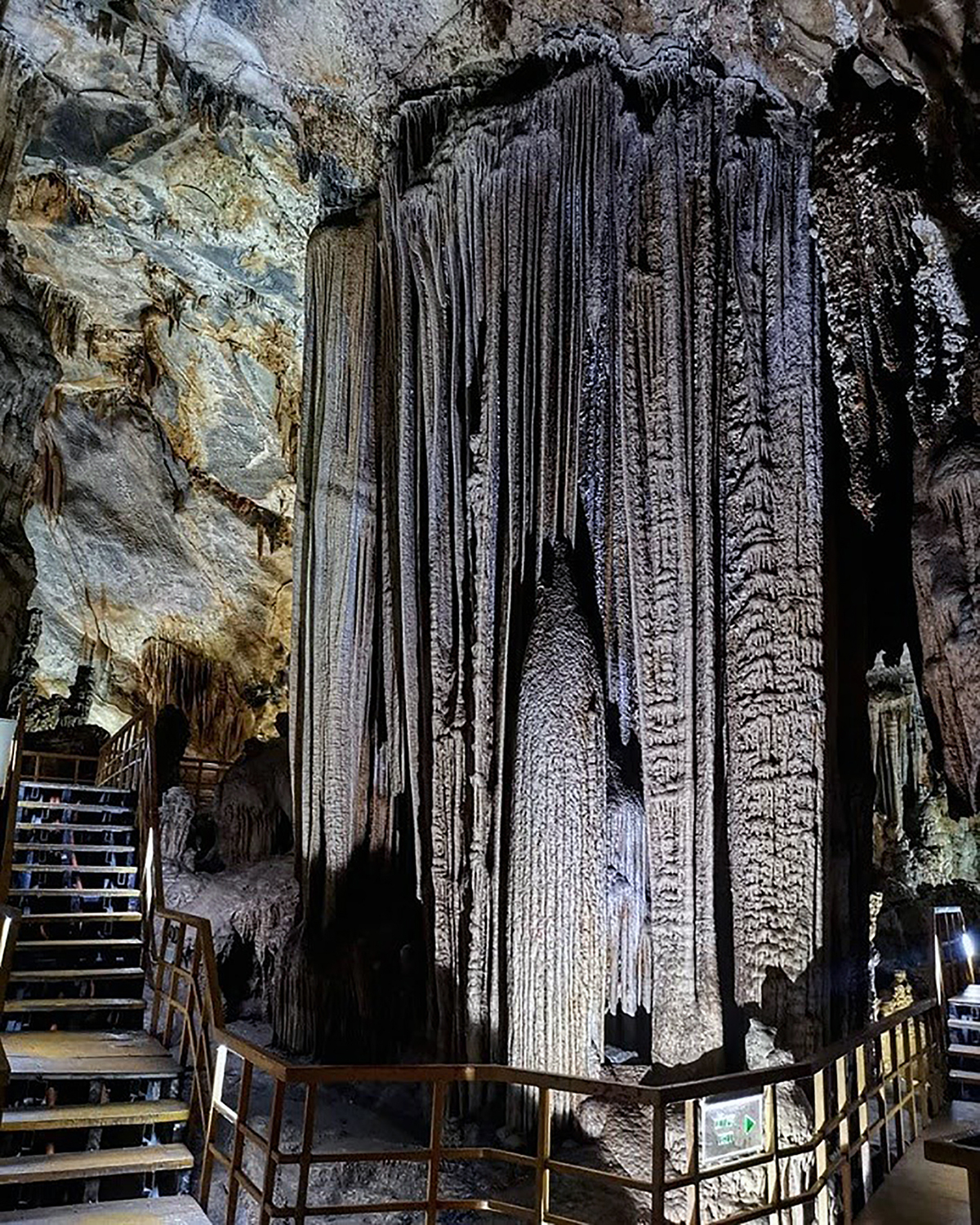
(Photo: Archive)
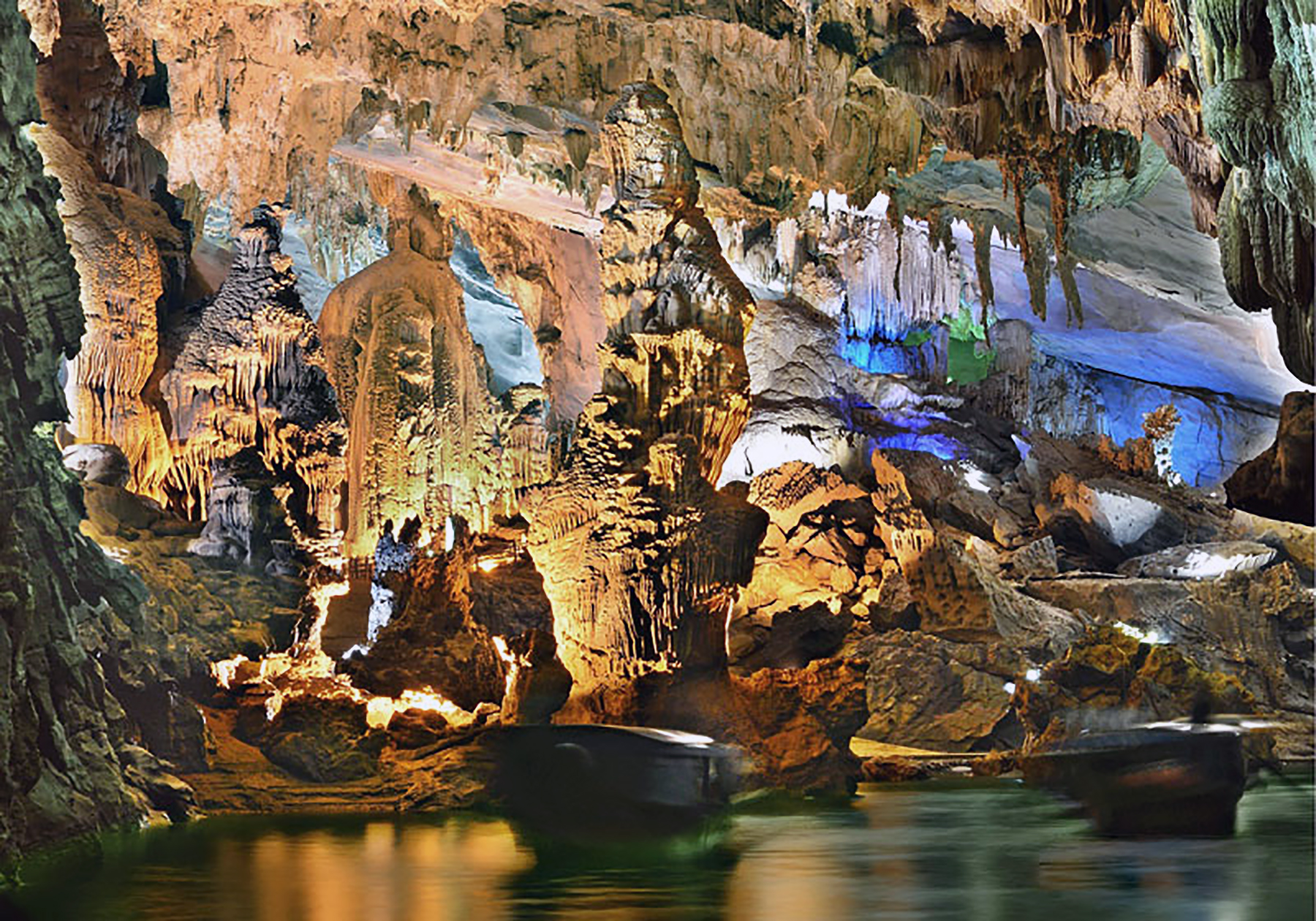
Tiên Sơn Cave is one of the remarkable caves in the Phong Nha – Kẻ Bàng region, located approximately 45 km northwest of Đồng Hới City. Also known as the “Dry Cave”, it is one of the most famous attractions in the national park.
The entrance to Tiên Sơn Cave is situated about 1,000 metres from the entrance to Phong Nha Cave, at an elevation of nearly 200 metres above sea level. The cave stretches for approximately 980 metres, although only part of it is accessible to visitors. About 400 metres from the entrance, a deep chasm and an underground cavern make further exploration more dangerous. For safety reasons, visitors are therefore restricted to the first section of the cave.
Discovered in 1935, Tiên Sơn was originally called “Fairy Cave” by local people because of its mysterious, almost otherworldly beauty. It was later named “Dry Cave” to distinguish it from Phong Nha Cave, which is a water cave explored by boat.
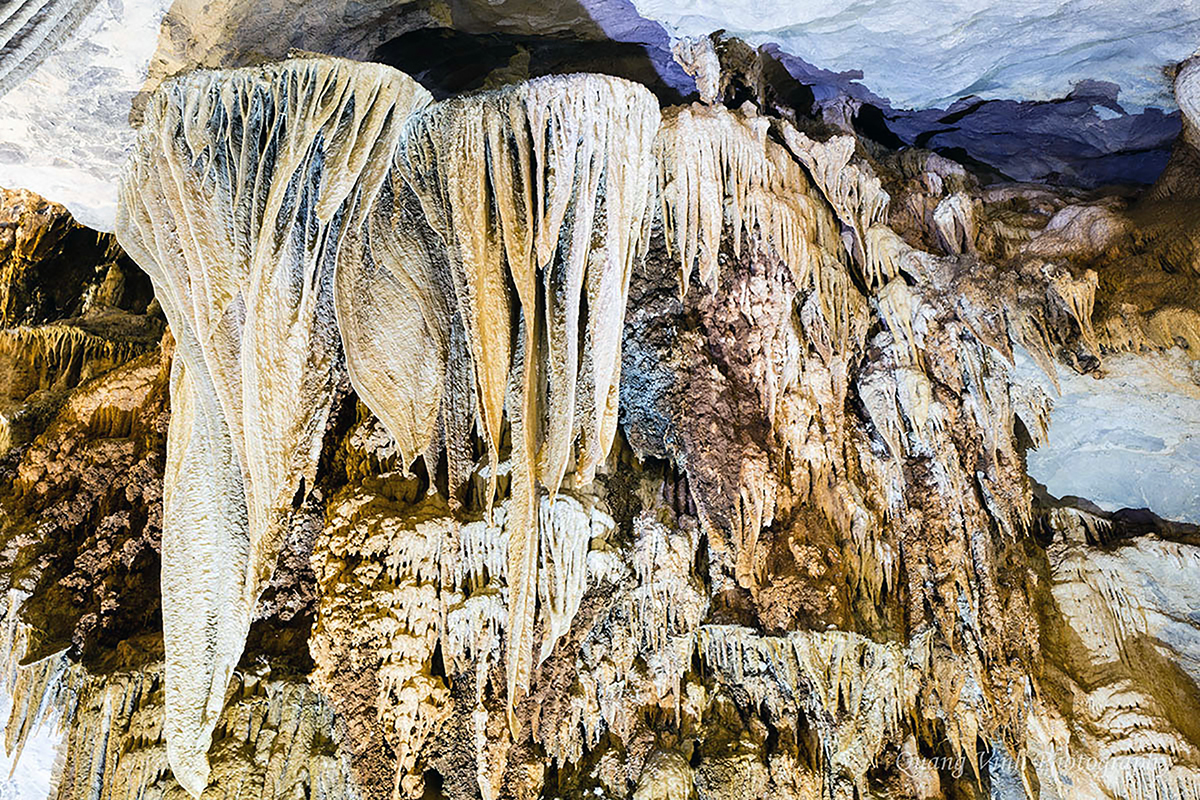
Inside the cave, visitors can admire magnificent stalactites and stalagmites in a variety of shapes, comparable to those found in Phong Nha Cave. However, Tiên Sơn has a fascinating feature
of its own: some stone slabs and rock columns produce sounds resembling traditional gongs and drums when gently tapped.
According to speleological studies, the cave is believed to have formed tens of millions of years ago, when water gradually carved and eroded the limestone mountains of Kẻ Bàng. Subsequent geological movements reshaped the landscape, gradually separating the dry section, which became Tiên Sơn Cave, from the section containing an underground river, now known as Phong Nha Cave.
Although the two caves are located close to each other, they are not directly connected. Near the entrance to Tiên Sơn Cave, local people have also discovered several ancient artefacts, suggesting that humans may have inhabited the region since ancient times.