
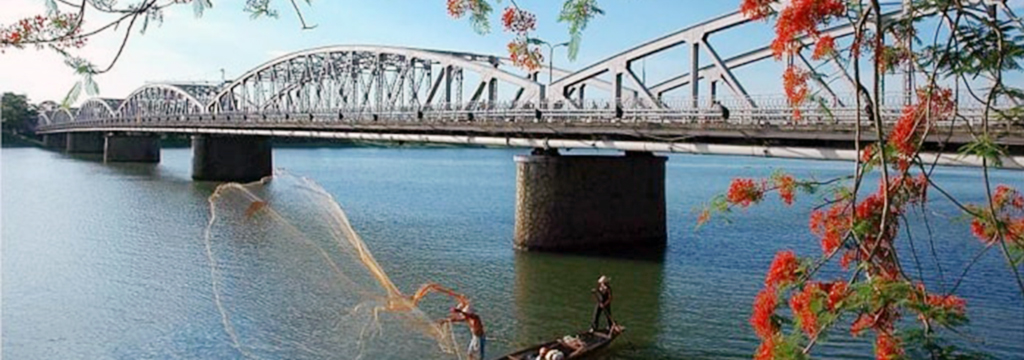
CENTRAL VIETNAM
Discover Central Vietnam through its heritage cities, beaches, landscapes and local culture.
PHONG NHA - QUANG BINH
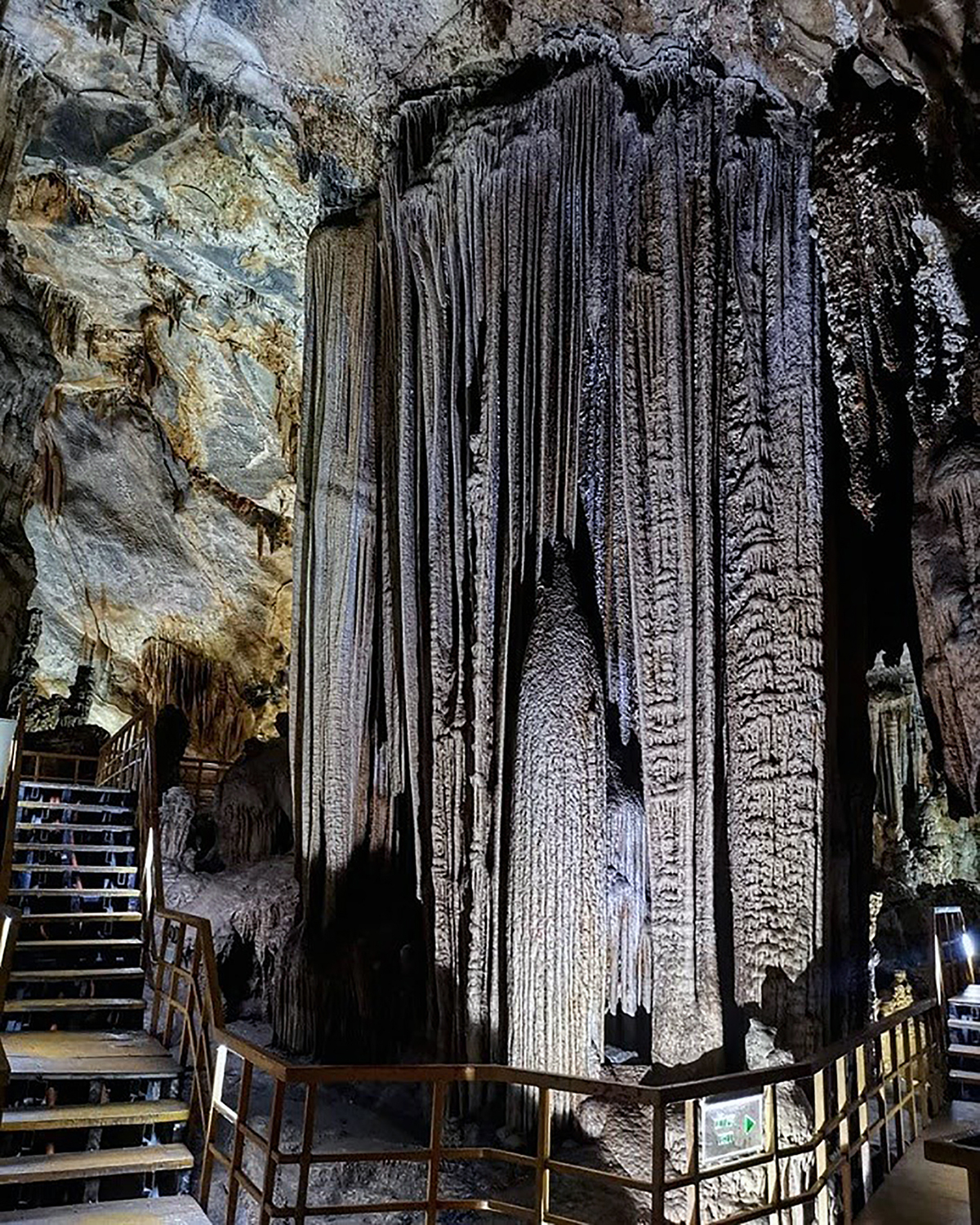
Tiên Sơn Cave
Tiên Sơn Cave and Phong Nha Cave are often compared to twin sisters. Their close proximity and the complementary beauty of their landscapes create an enchanting setting that feels both unusual and mysterious.
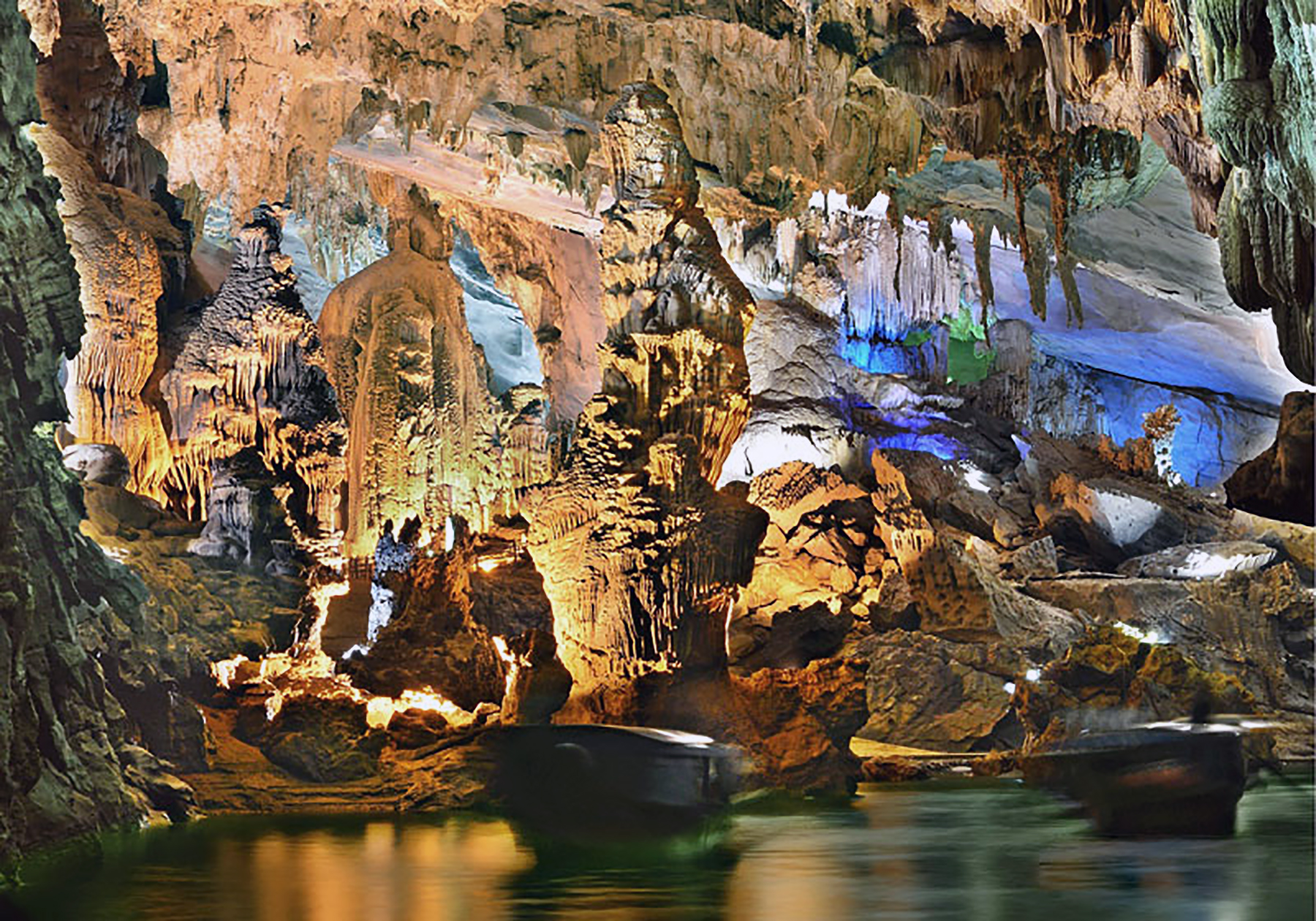
Phong Nha Cave
Reached by boat along the Son River, Phong Nha Cave reveals a long underground passage filled with limestone formations and crossed by an underground river.
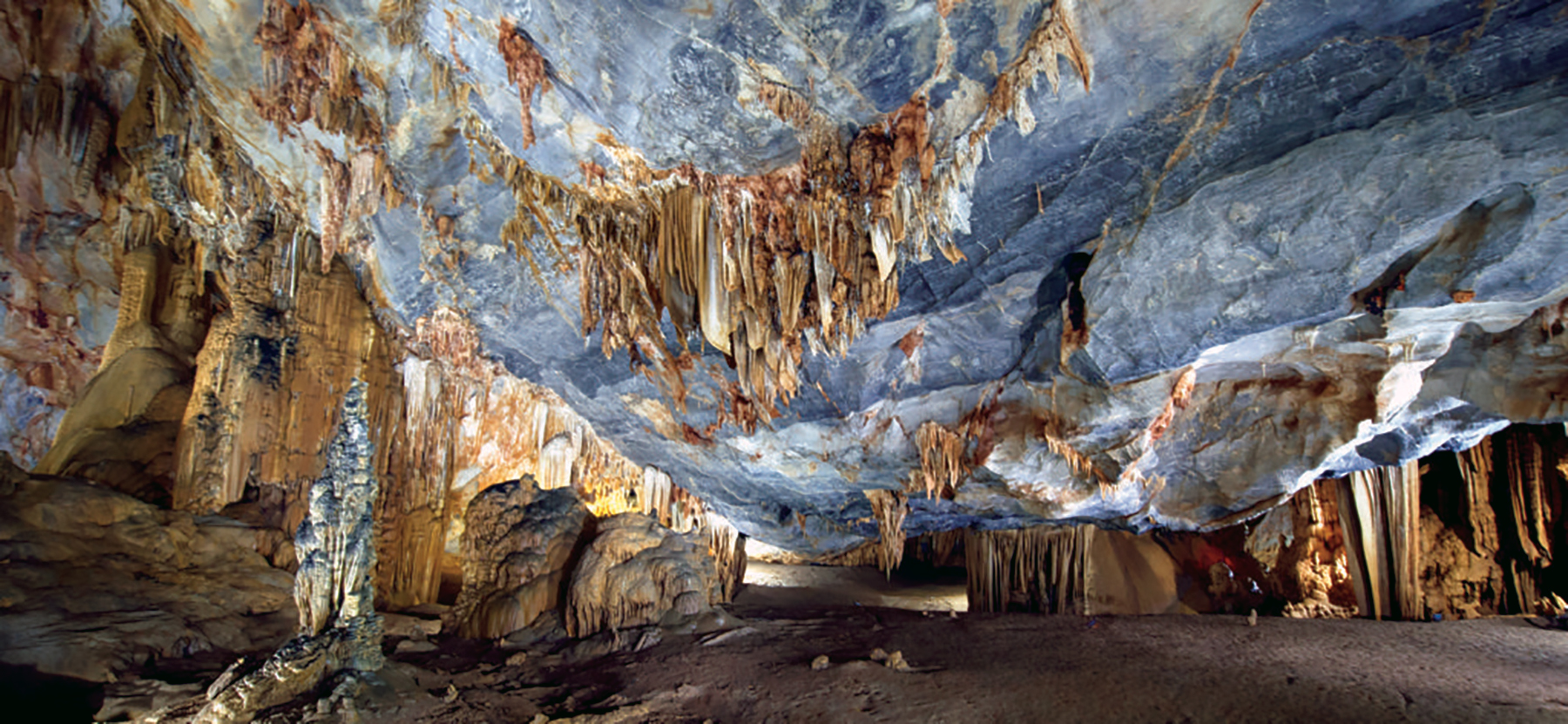
Paradise Cave
Thien Duong, or Paradise Cave, is renowned for its vast chambers and spectacular limestone formations within Phong Nha–Ke Bang National Park.
DMZ
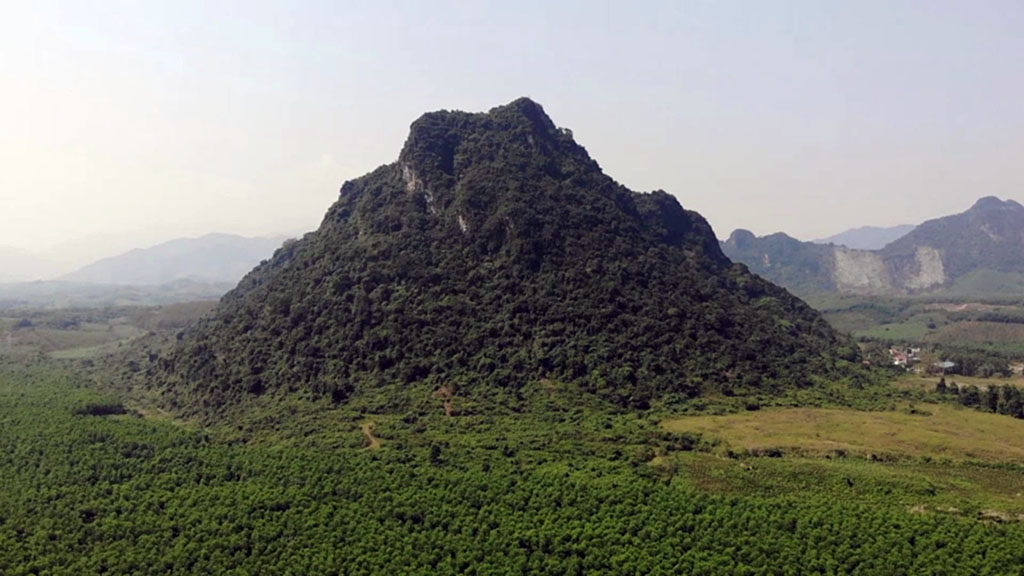
Rockpile Hill
Rockpile Hill, known locally as Mọt Mountain, was one of the U.S. military bases during the Vietnam War. From 1966 to 1968, it served as an observation post used to monitor the activities of the People’s Army of Vietnam in the demilitarized zone of Quảng Trị.
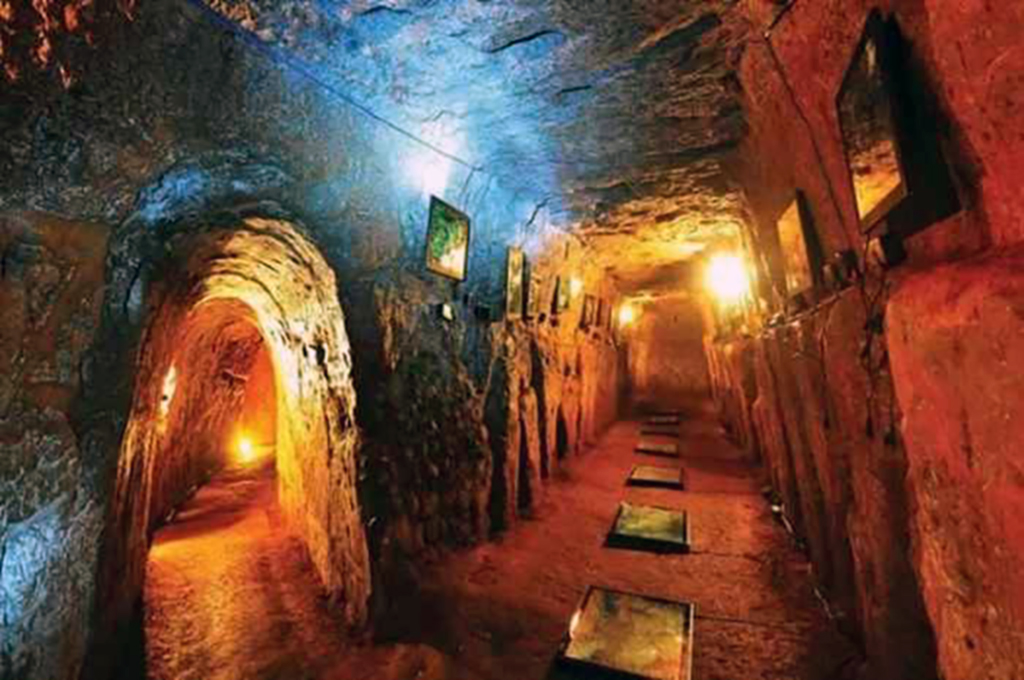
Vịnh Mốc Tunnels
The Vịnh Mốc Tunnels, were dug to shelter local residents from bombing. This extensive underground network included living areas, wells and shelters on several levels.
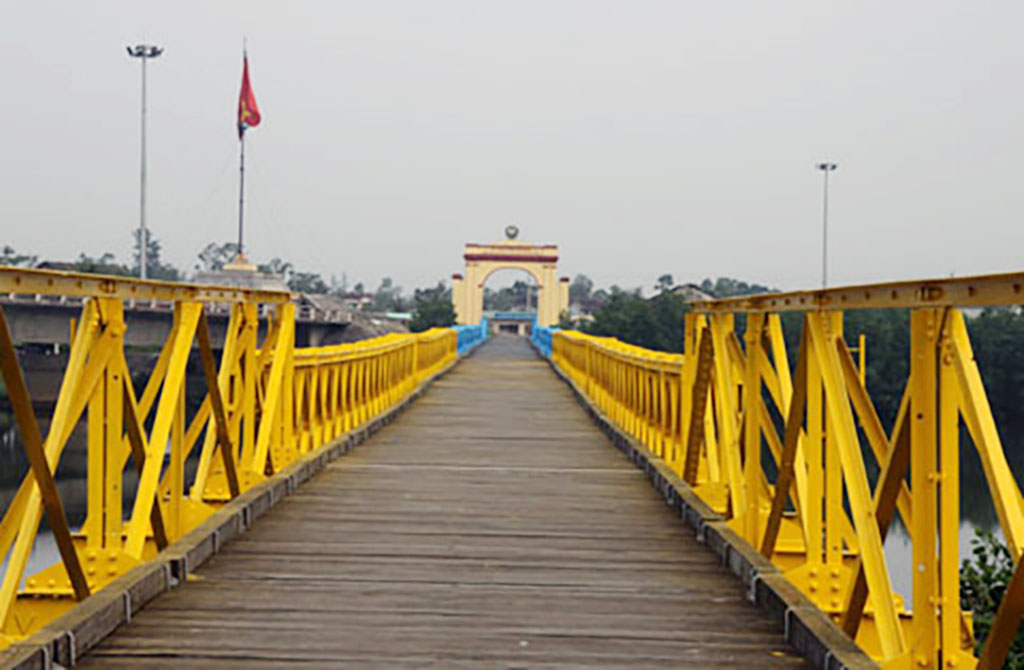
Hiền Lương Bridge
Hiền Lương Bridge crosses the Ben Hai River, once the dividing line between North and South Vietnam. It remains a powerful symbol of the country’s reunification.
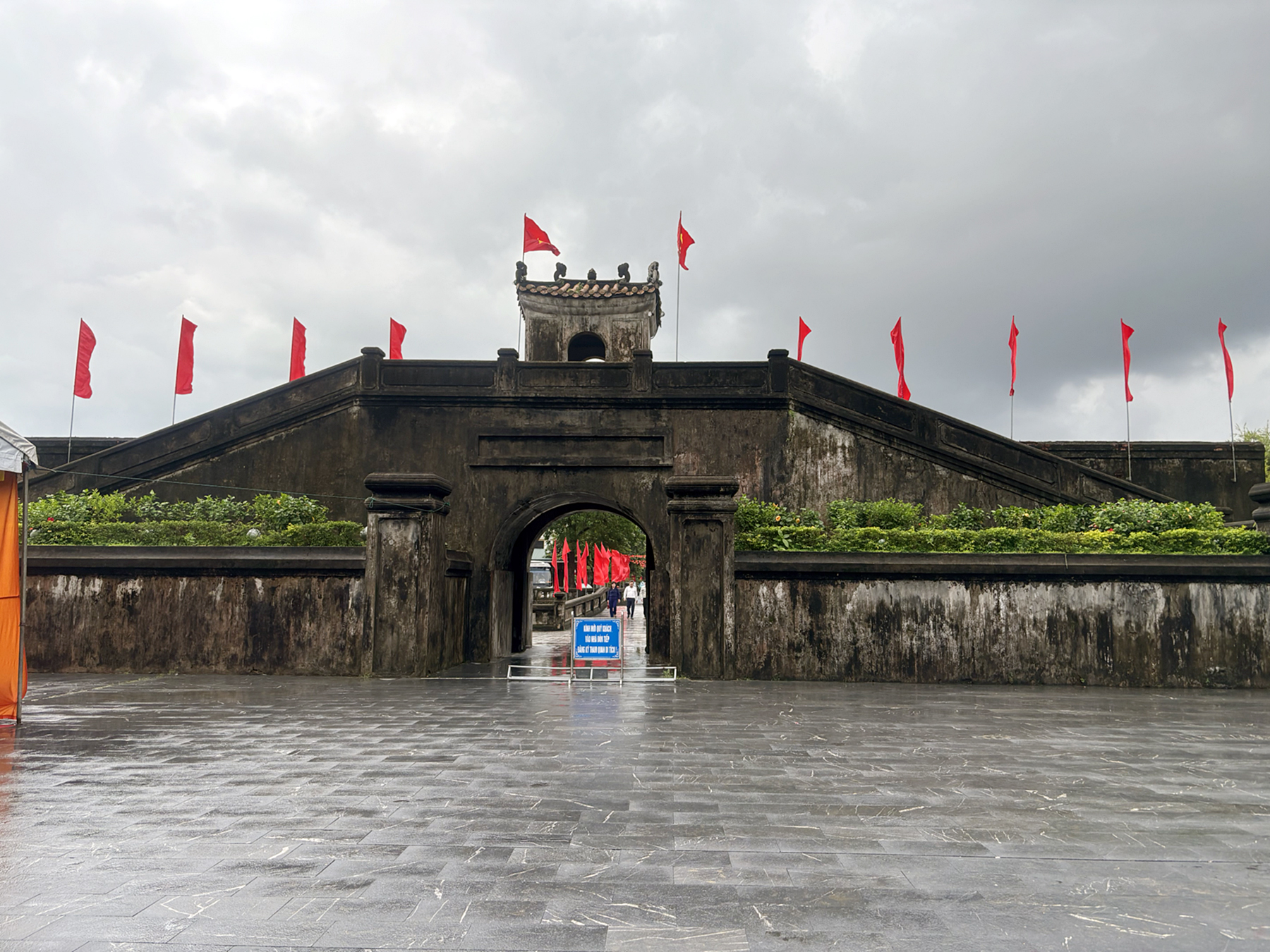
Quảng Trị Citadel
Quảng Trị Citadel, is closely associated with the intense fighting of 1972. Today, the site is a memorial dedicated to those who lost their lives in the war.
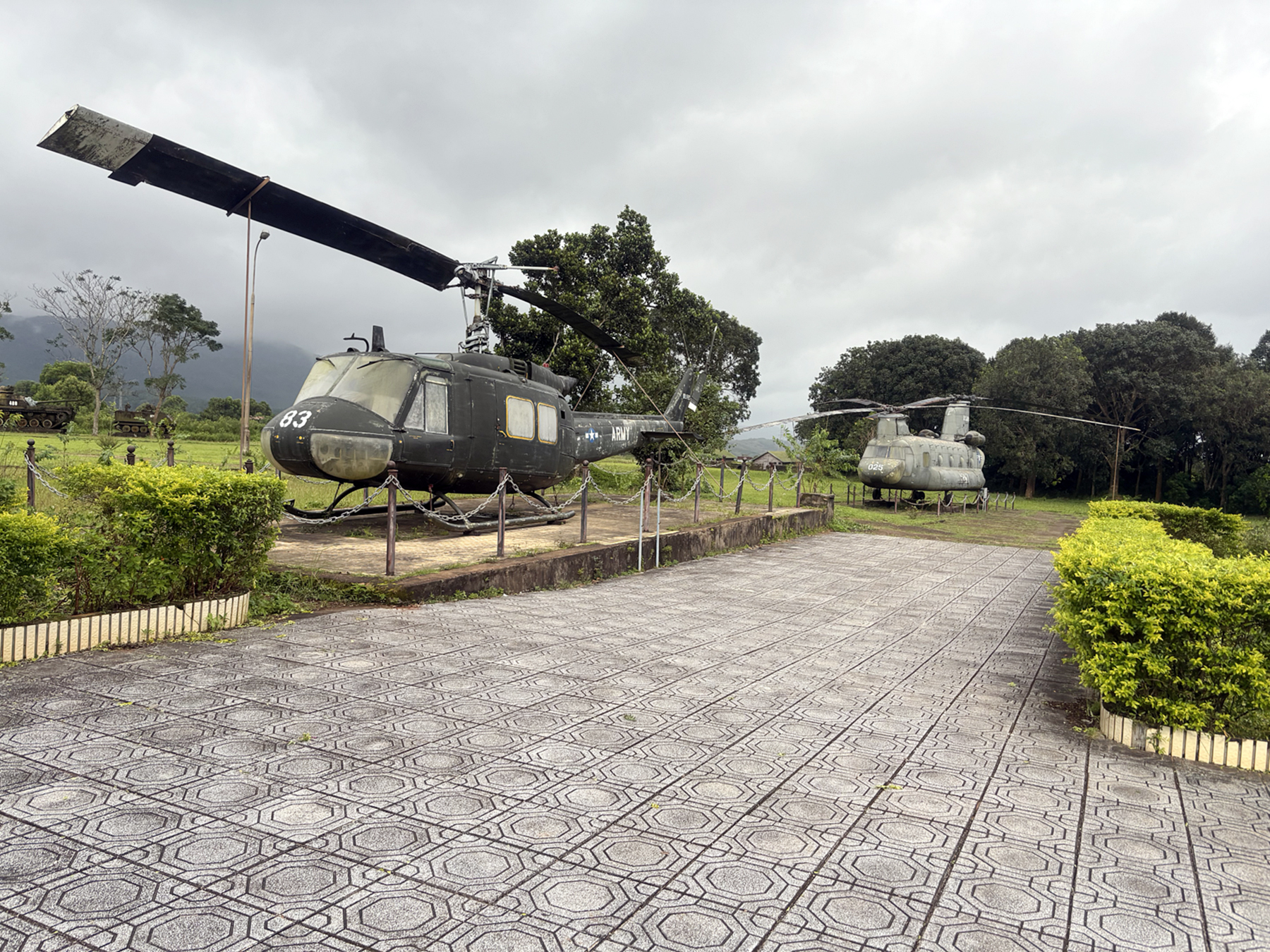
Tà Cơn Airfield
The former Ta Con Airfield formed part of the Khe Sanh base. The site preserves military remains and recalls the heavy fighting that took place in the area.
HUÉ
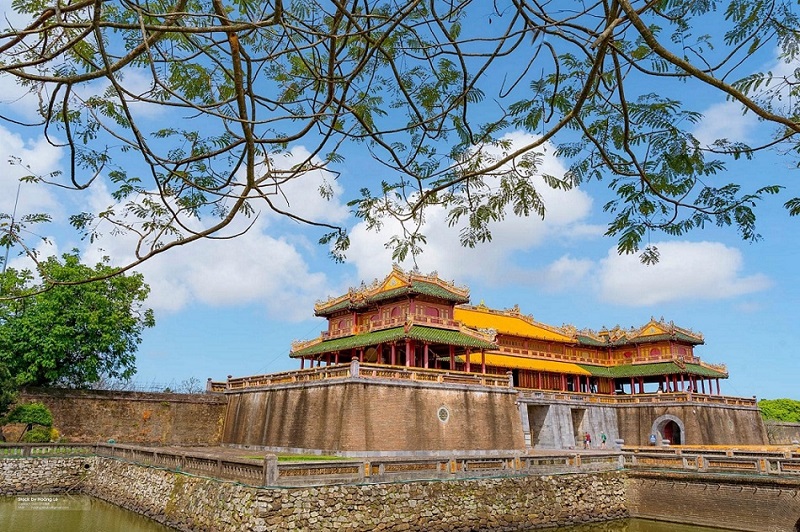
Imperial City of Huế
The former imperial capital of the Nguyen Dynasty, Hue Imperial City contains historic palaces, temples, gates and courtyards. It forms part of Hue’s UNESCO-listed monument complex.
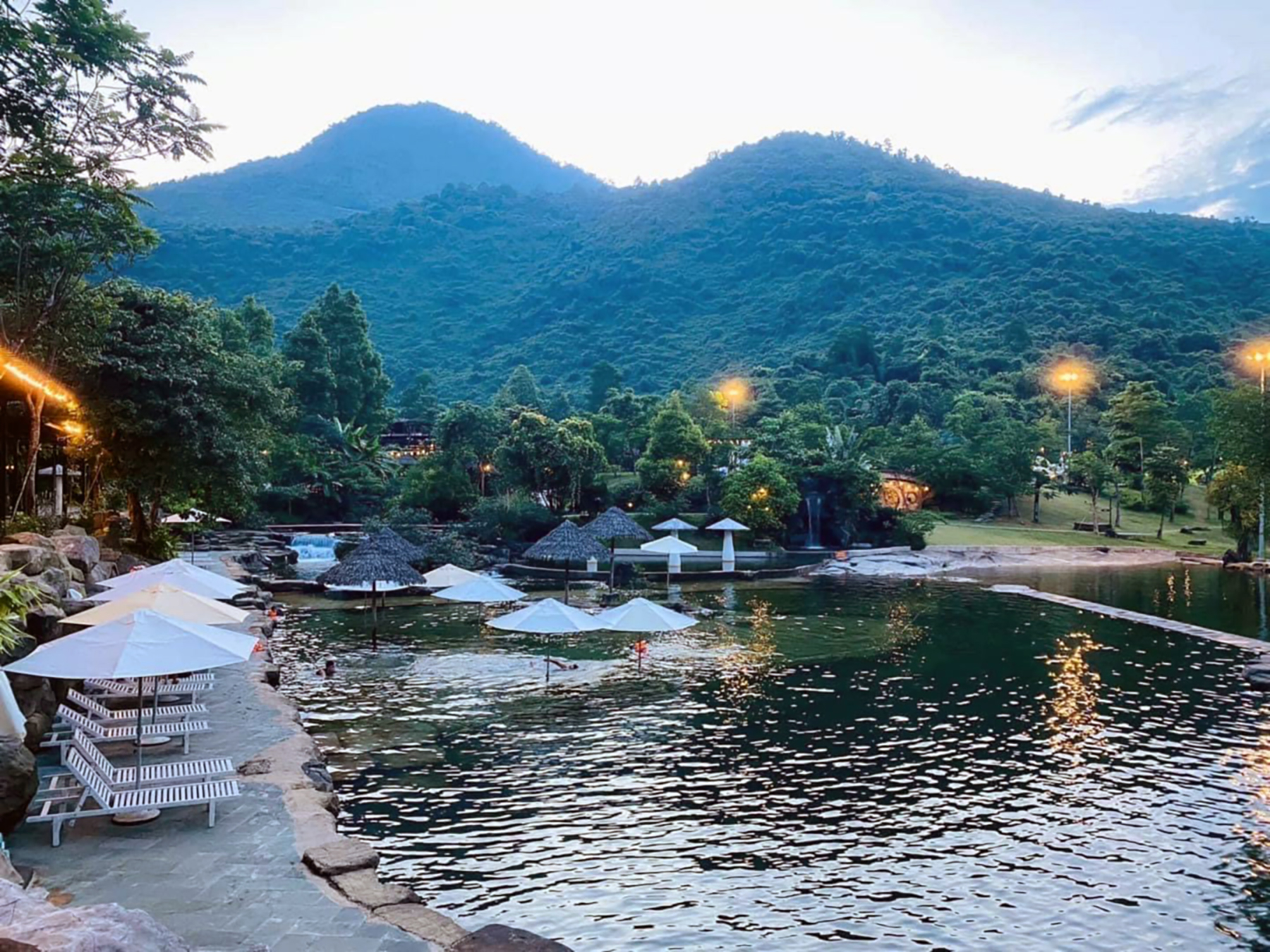
Bach Ma Village Huế
At the foot of Bach Ma National Park, Bach Ma Village offers a green setting of streams, forest and mountain scenery, ideal for a relaxing nature break.
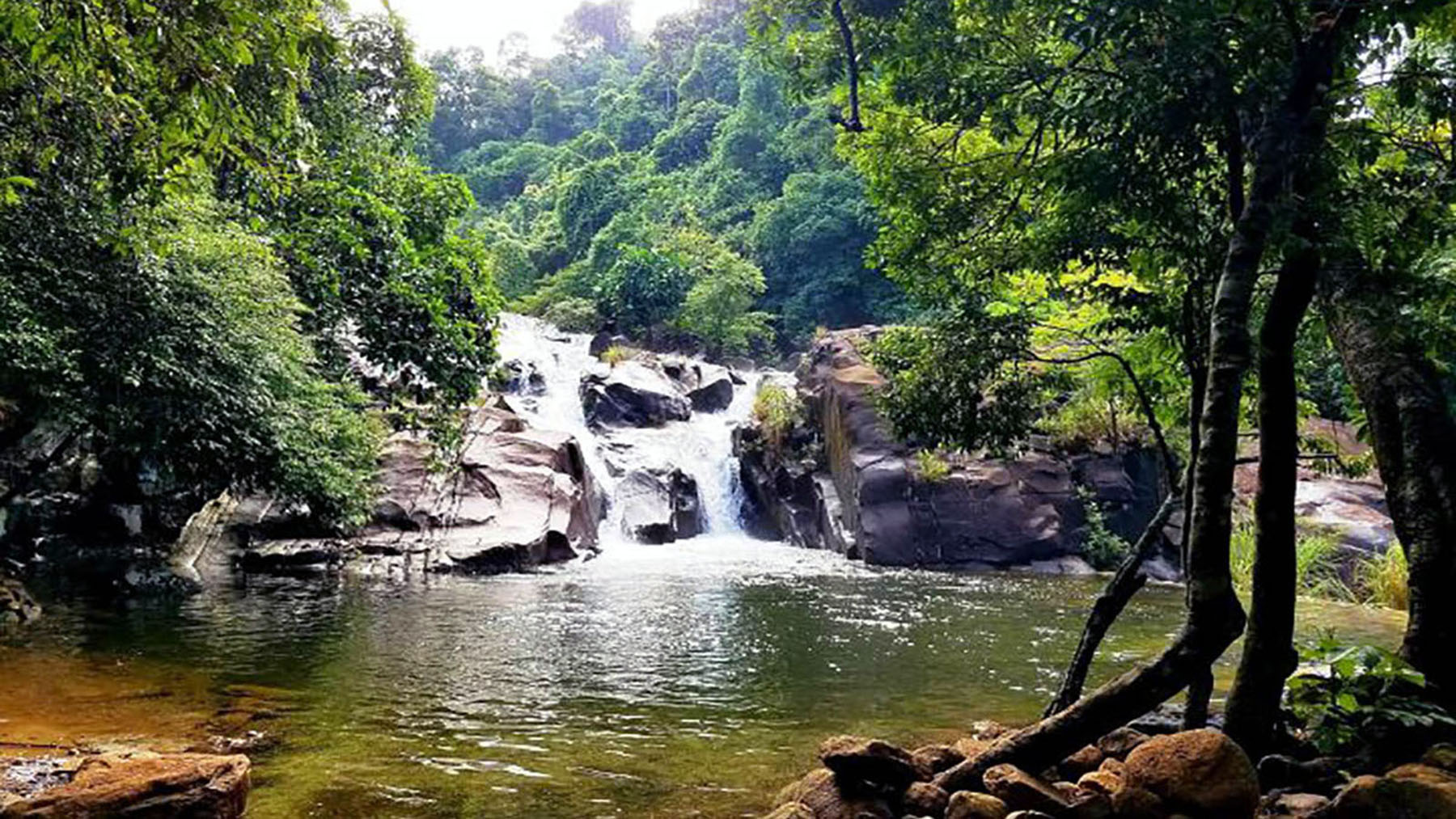
Nhị Hồ Waterfall
Nhị Hồ Waterfall lies in a forested landscape south of Hue. Its natural pools and rocky setting make it a refreshing stop in the countryside.
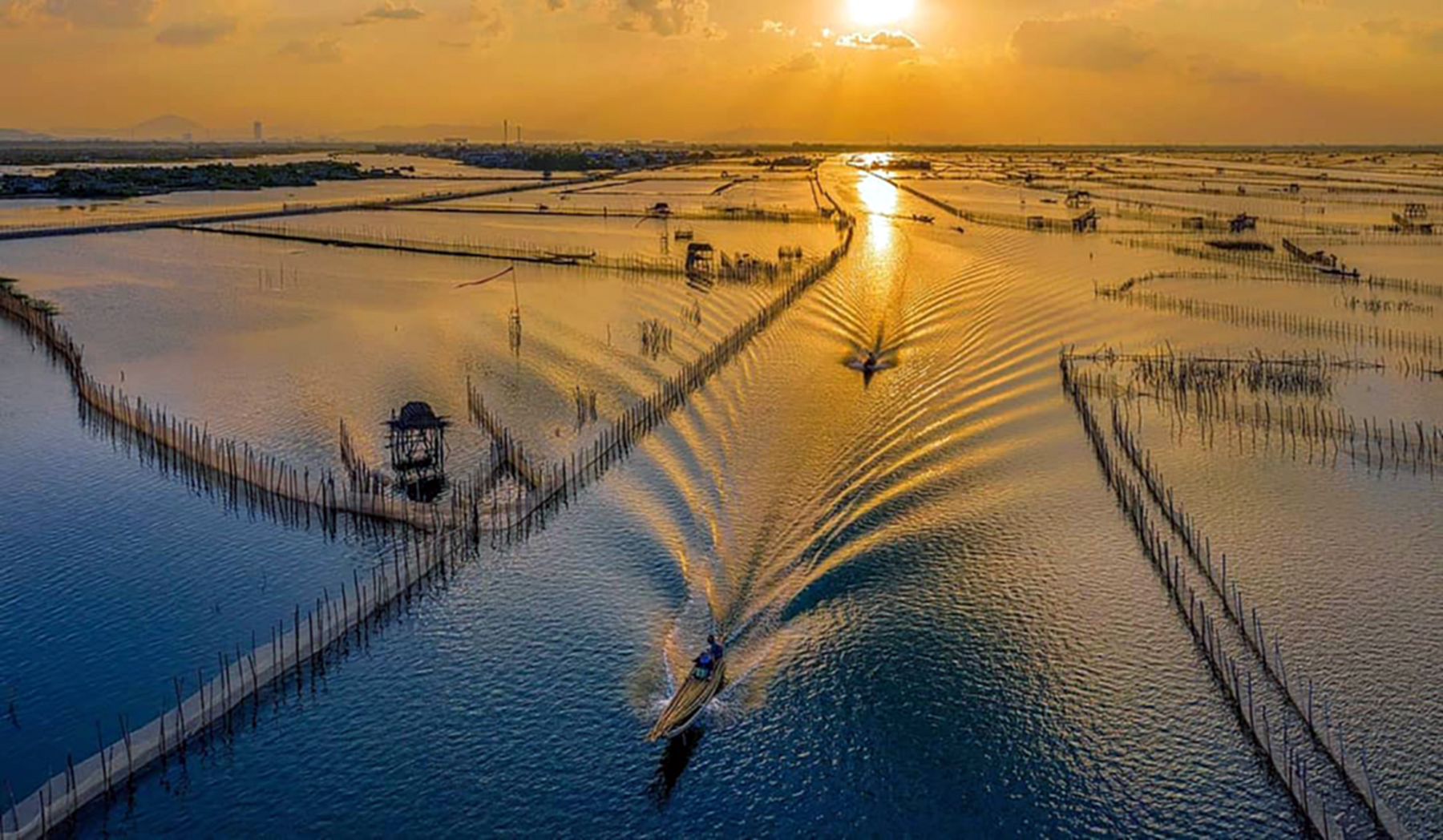
Chuồn Lagoon
Chuồn Lagoon forms part of the vast Tam Giang–Cau Hai lagoon system. Its calm waters, fishing huts and sunrise or sunset scenery create a peaceful local atmosphere.

Tự Đức Tomb
Tự Đức Tomb is one of the most beautiful royal mausoleums of the Nguyễn Dynasty. It is admired for its refined architecture, poetic atmosphere and harmonious landscape of pavilions, lakes and gardens.
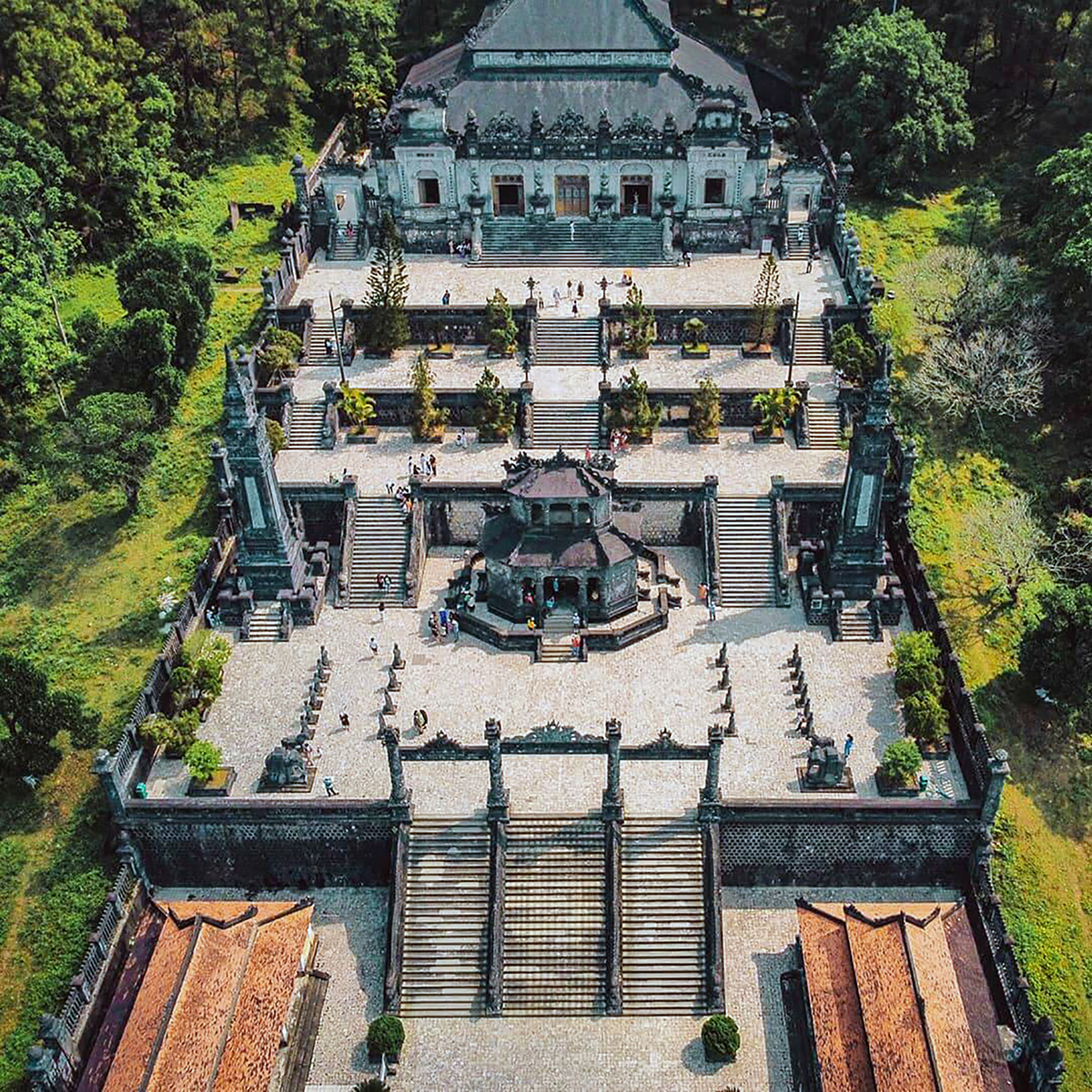
Khải Định Tomb
Khải Định Tomb, built between 1920 and 1931 on a hillside, is remarkable for its distinctive blend of Asian and European influences. Located south of Huế, not far from the Perfume River, it was the last imperial mausoleum built for an emperor of the Nguyễn Dynasty.
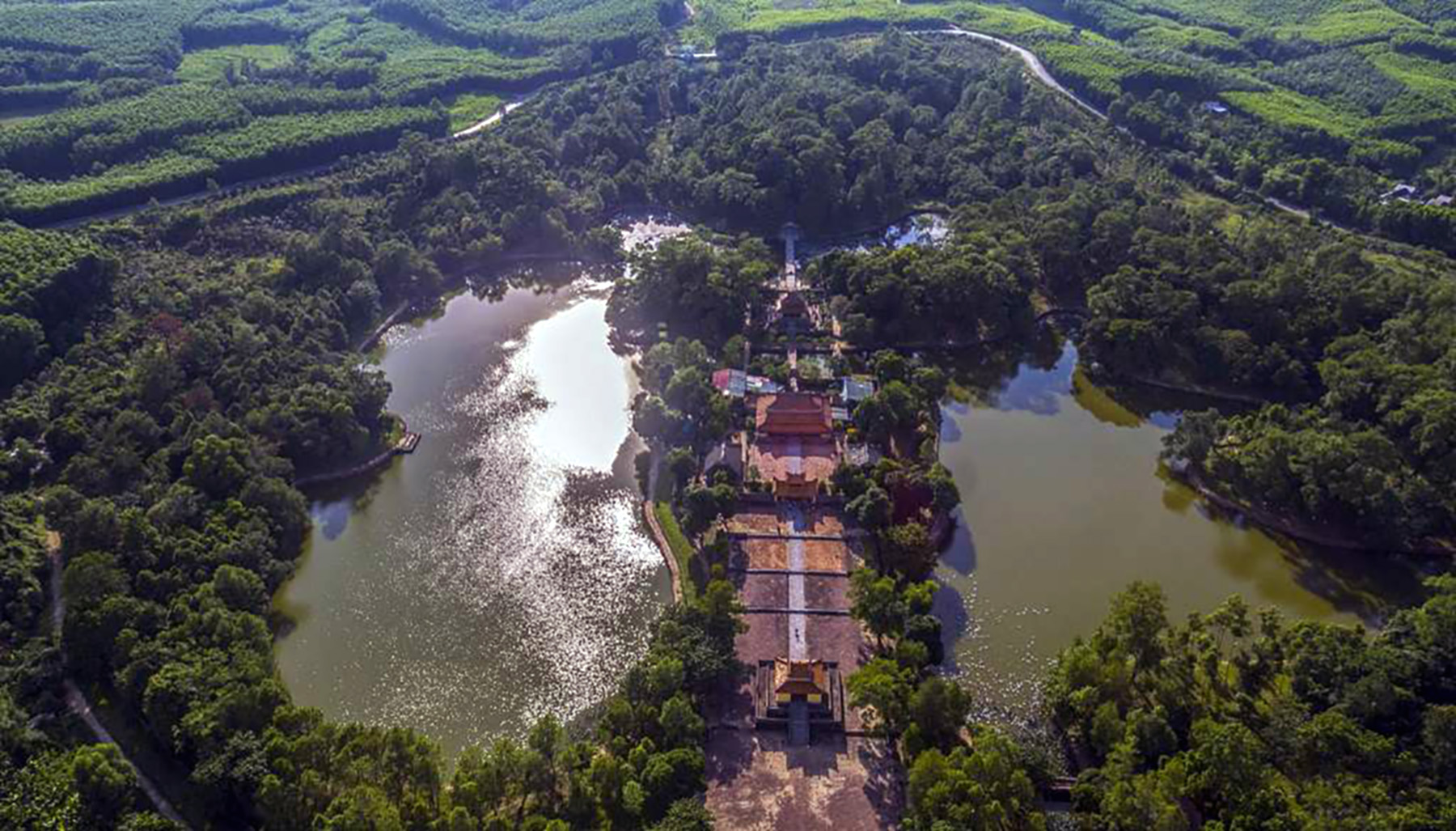
Minh Mạng Tomb
Minh Mạng Tomb is set in a peaceful pine forest and follows a carefully planned central axis. On 20 August 1841, the emperor’s remains were laid to rest in the burial enclosure known as Bửu Thành, located at the far end of the mausoleum. The entire complex was completed in 1843.
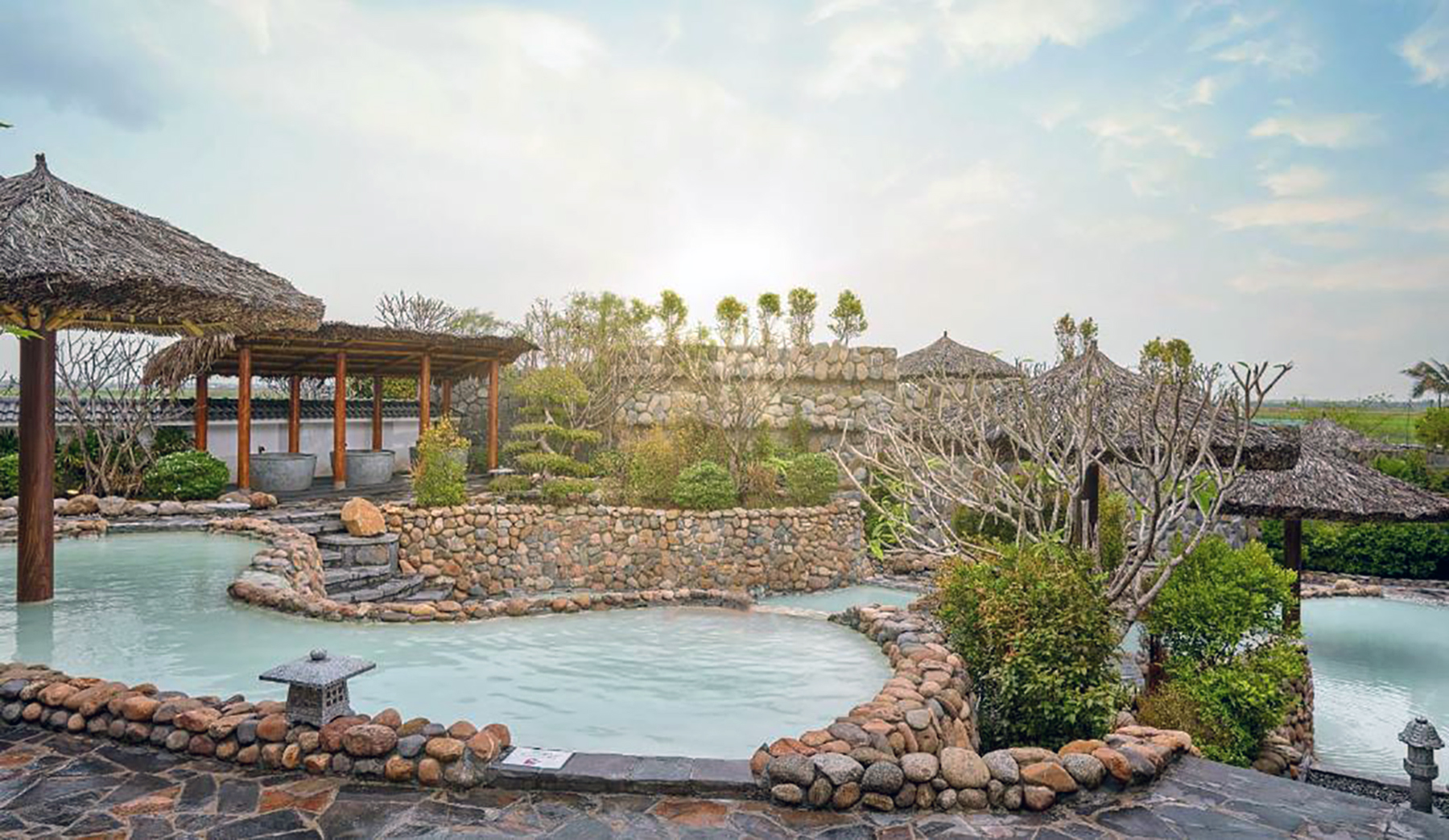
Thermal Baths and Onsen
KOBI Onsen offers a hot-spring bathing experience inspired by Japanese tradition in a peaceful setting near Hue. It is designed for relaxation and wellness.
DA NANG
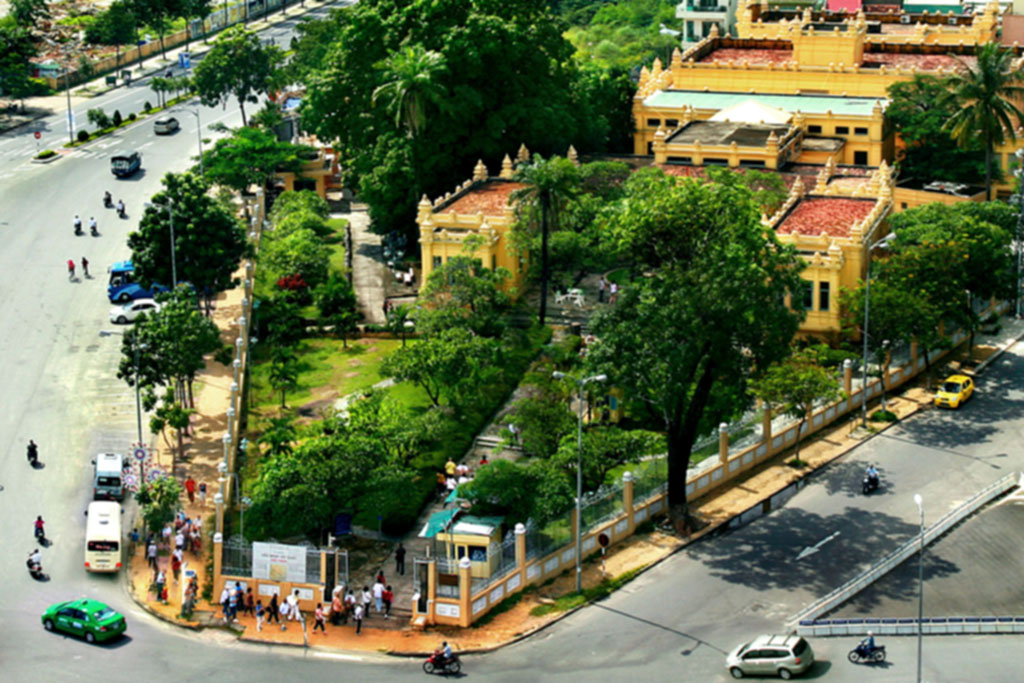
Museum of Cham Sculpture
The Museum of Cham Sculpture, houses an outstanding collection of works from the Champa civilisation, gathered from temples and archaeological sites across central Vietnam.
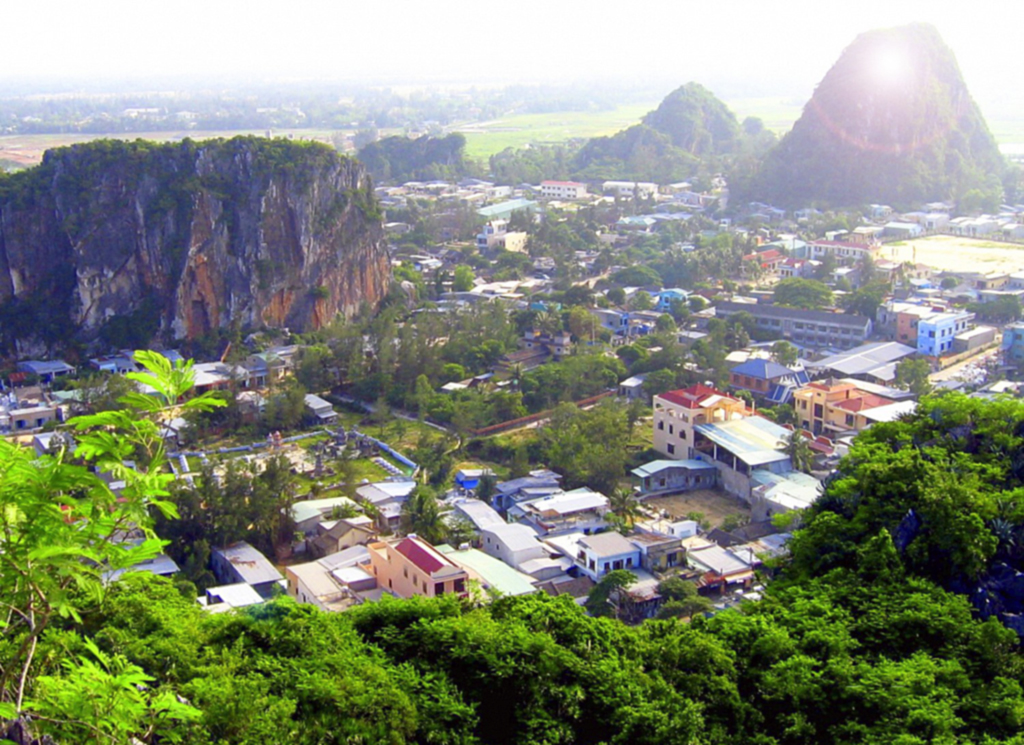
Marble Mountains
The Marble Mountains consist of five hills named after the five elements: Mộc Sơn, Thủy Sơn, Thổ Sơn, Kim Sơn and Hỏa Sơn. Among them, Thủy Sơn is the largest, highest and most visited. Hỏa Sơn is divided into two peaks: Dương Hỏa Sơn and Âm Hỏa Sơn.
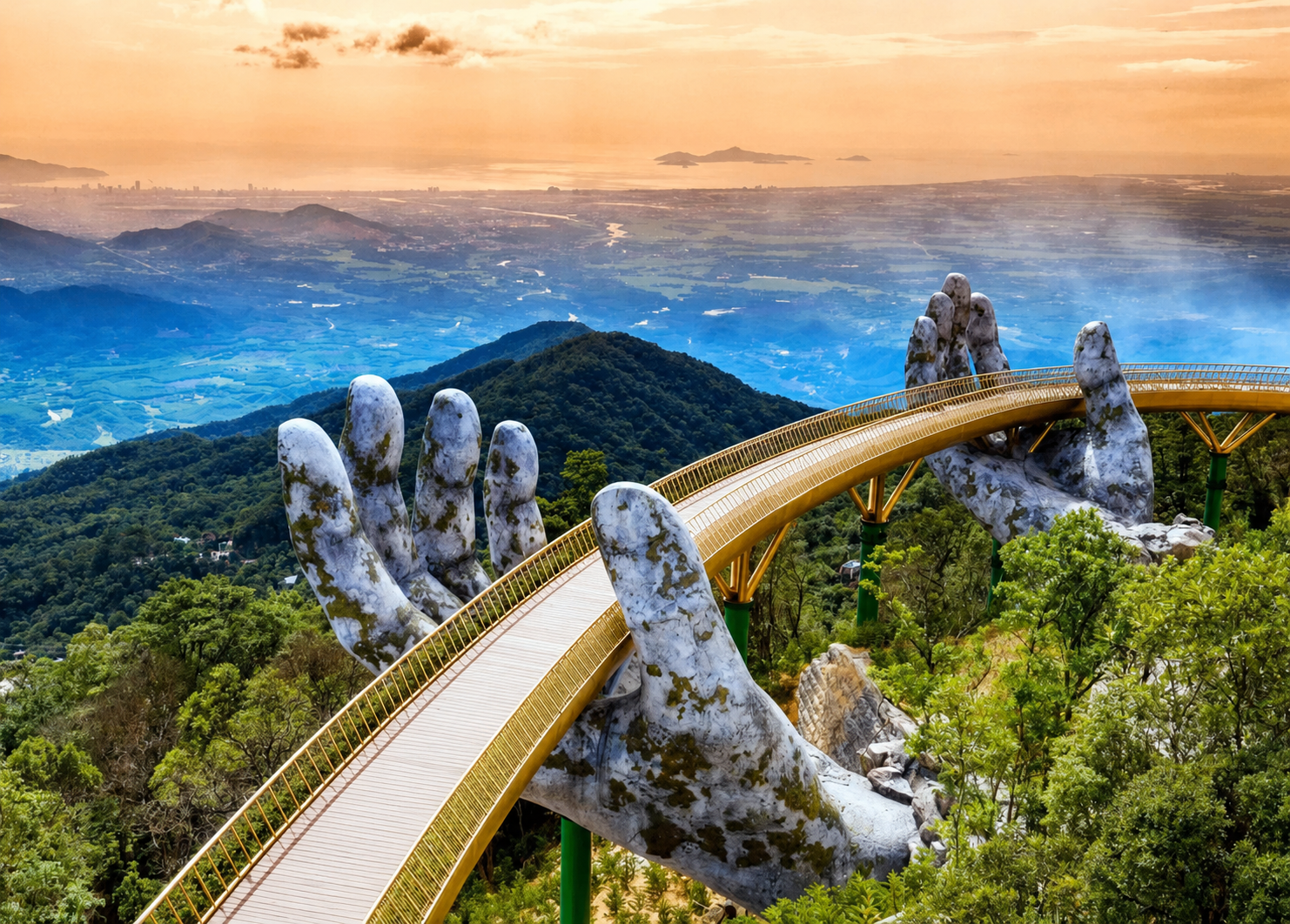
Sun World Bà Nà Hills
Set in the mountains west of Da Nang, Ba Na Hills combines cable cars, gardens, European-style architecture and highland views, including the famous Golden Bridge.
HÔI AN
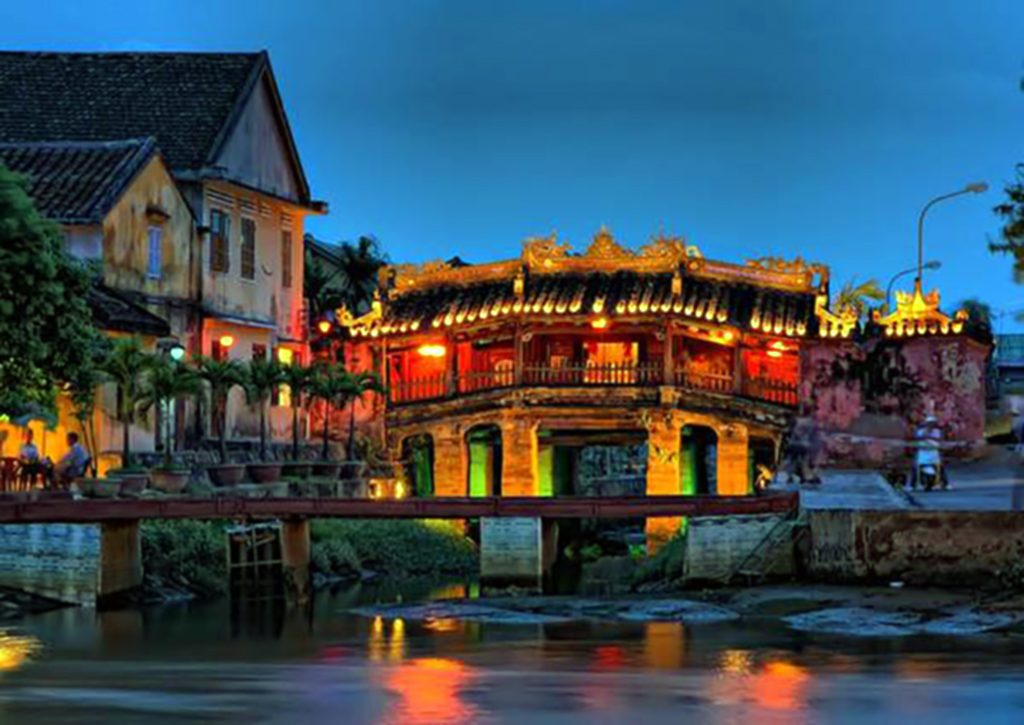
Japanese Covered Bridge
The Japanese Covered Bridge is one of Hoi An’s most iconic landmarks. Built by the Japanese community, it once linked two historic trading quarters of the old town.
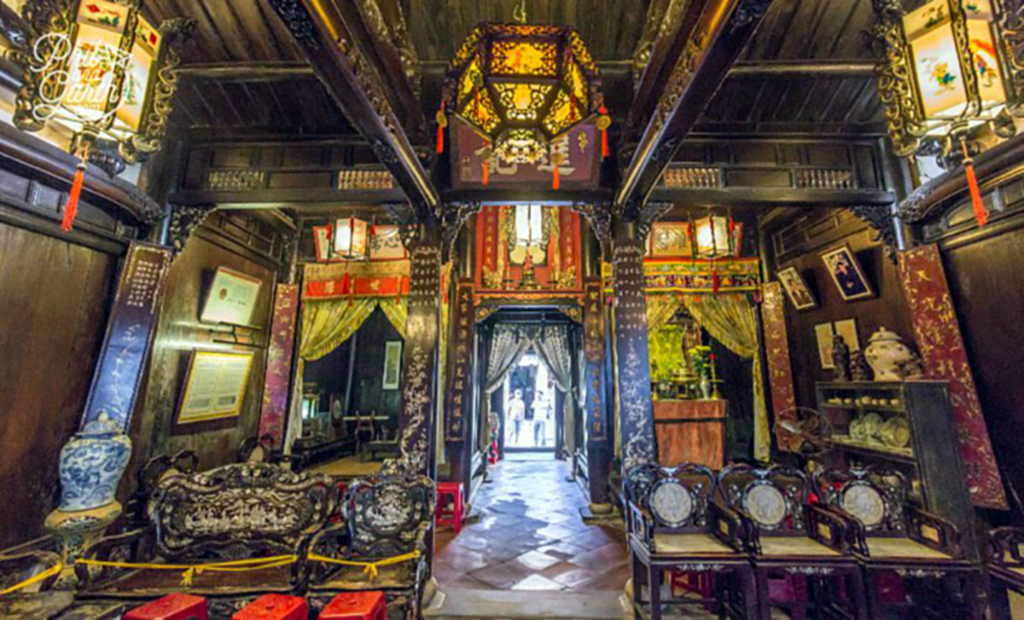
Tấn Ký Ancient House
Tấn Ký Ancient House is a remarkably well-preserved merchant house combining Vietnamese, Chinese and Japanese architectural influences.
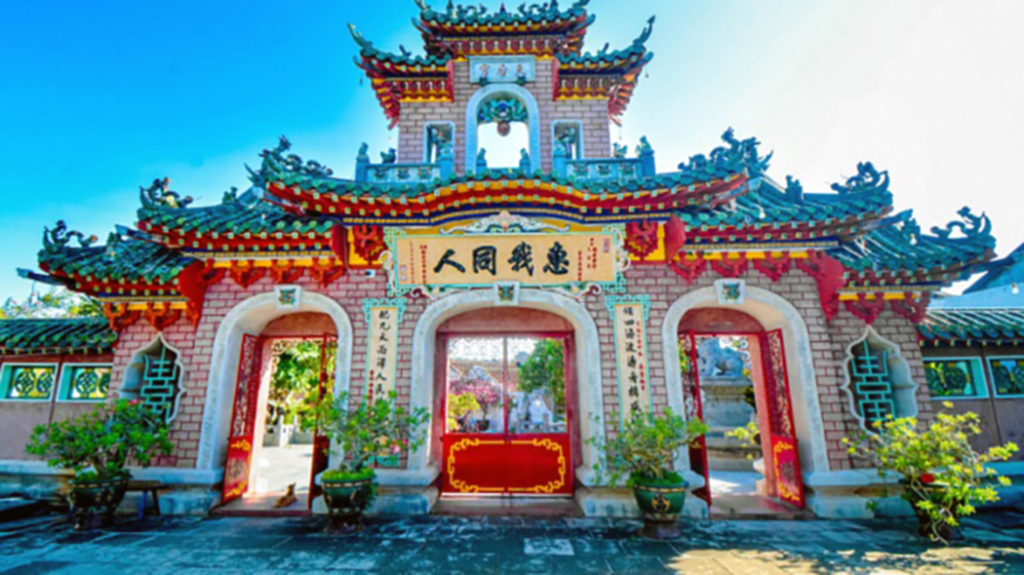
Phúc Kiến Assembly Hall
The Fujian Assembly Hall was founded by the Chinese community from Fujian. It is notably dedicated to Thien Hau, the protector of sailors and sea travellers.
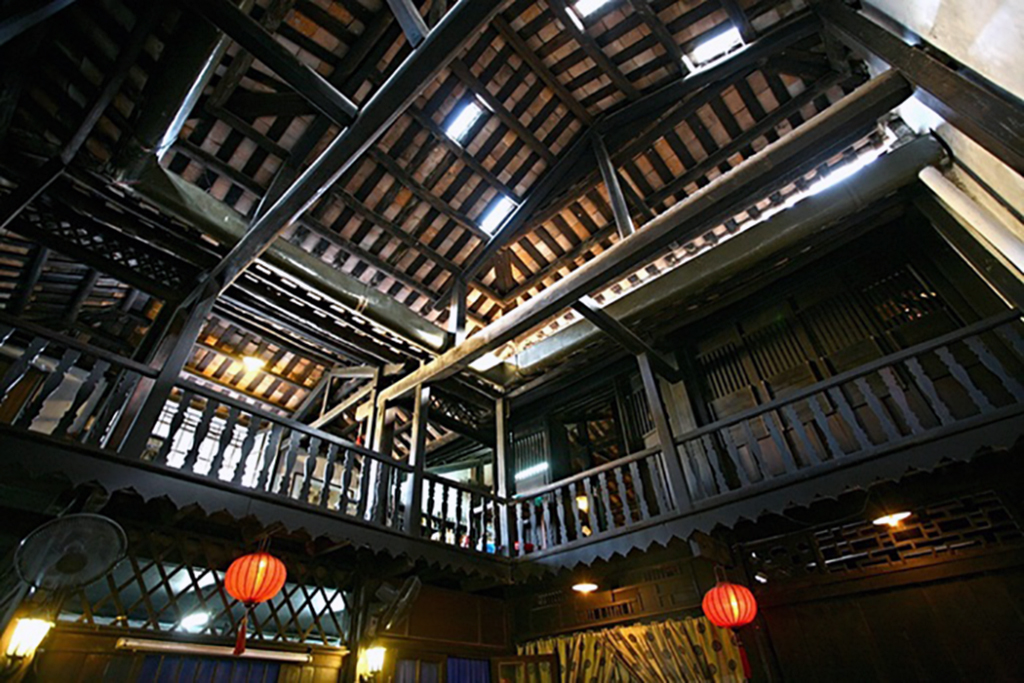
Phùng Hưng Ancient House
Built in 1780, Phung Hung Ancient House is a traditional Hoi An residence known for its blend of Vietnamese, Chinese and Japanese architectural influences.
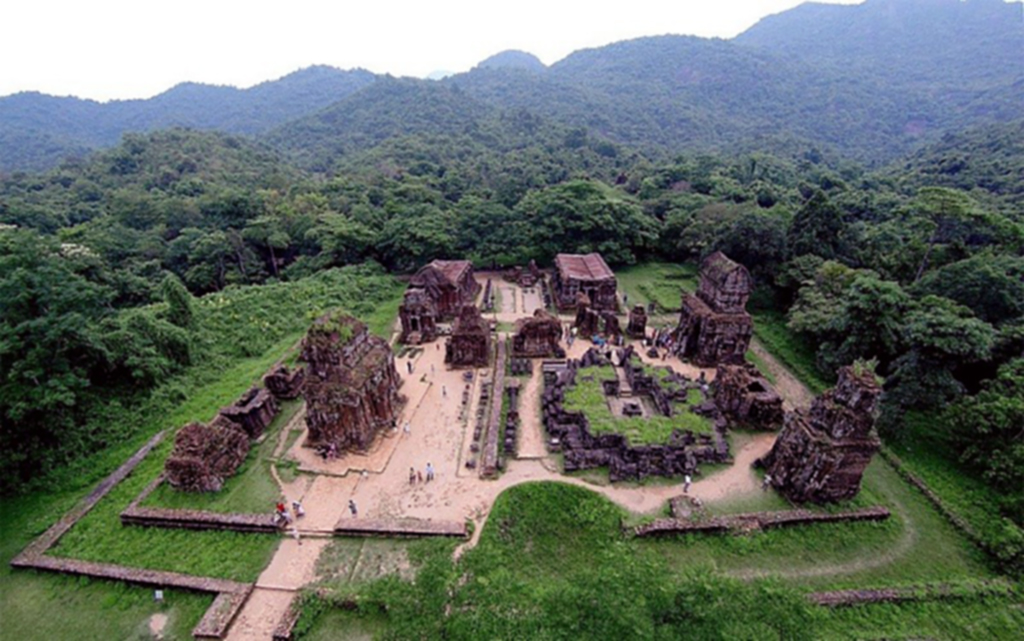
Mỹ Sơn Sanctuary
Mỹ Sơn Sanctuary is a complex of Hindu temples built by the Champa Kingdom between the 4th and 13th centuries. It is a UNESCO World Heritage Site.
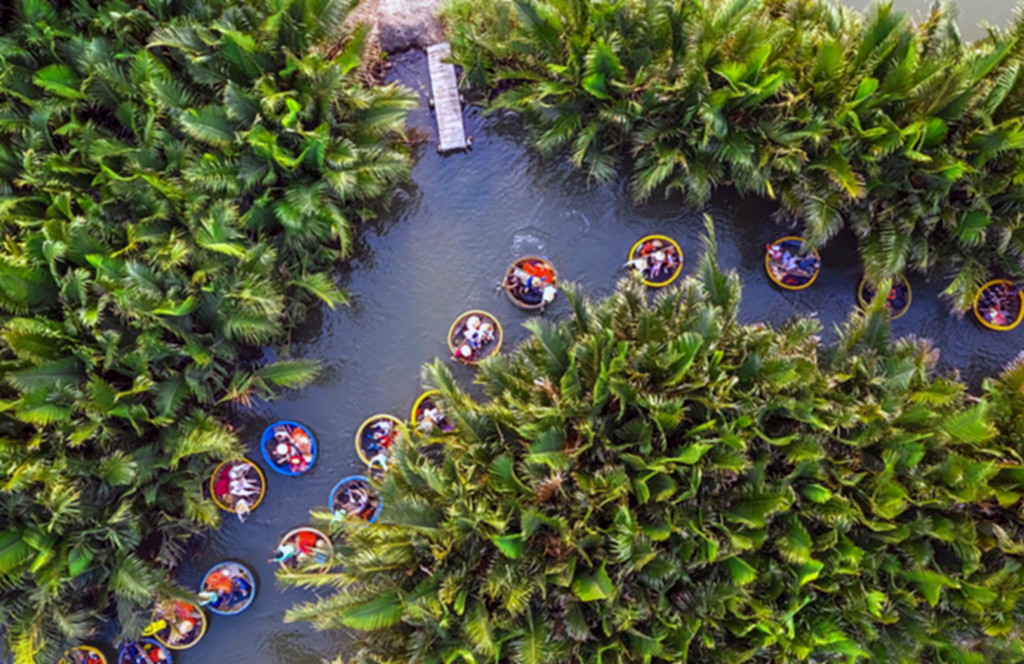
Bảy Mẫu Coconut Forest
The Bảy Mẫu Coconut Forest is explored by round basket boat through narrow waterways lined with nipa palms, offering a lively experience of the coastal countryside.
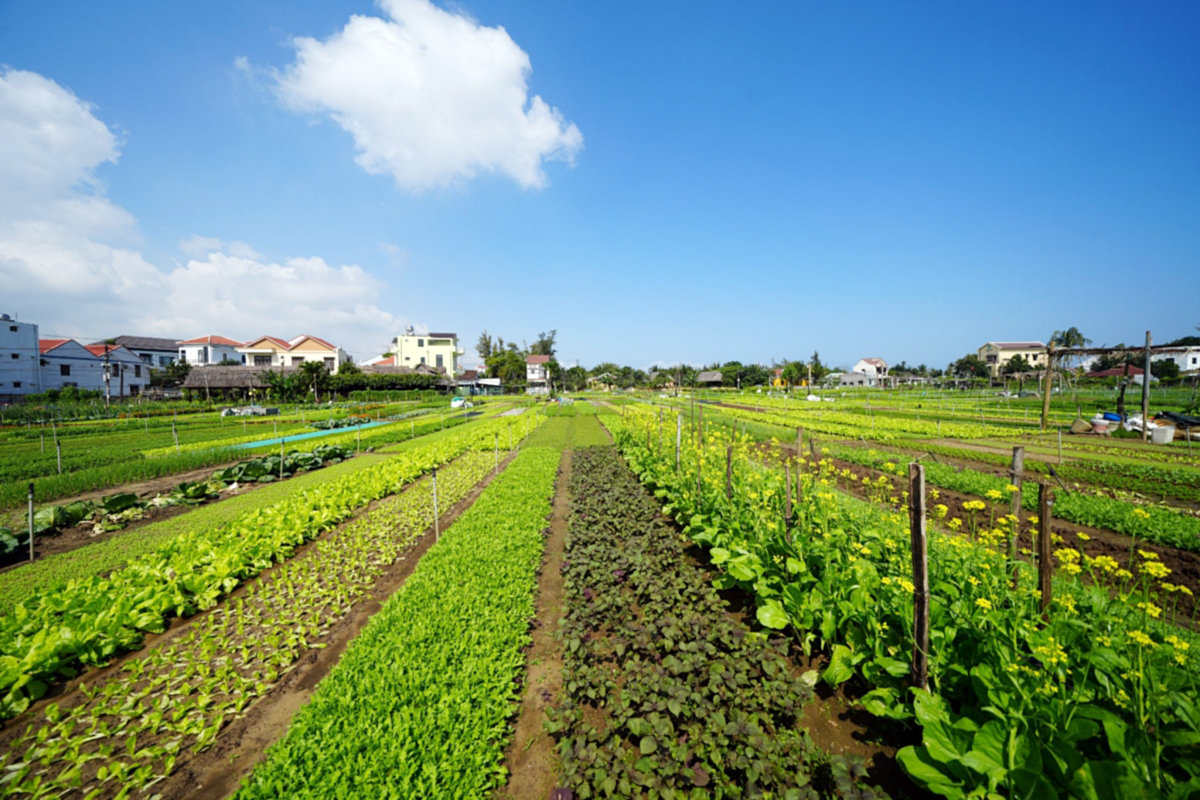
Trà Quế Vegetable Village
A few kilometres from Hoi An, Trà Quế is known for herb and vegetable gardens cultivated using traditional methods. The village offers a pleasant glimpse of rural life.