Citadelle
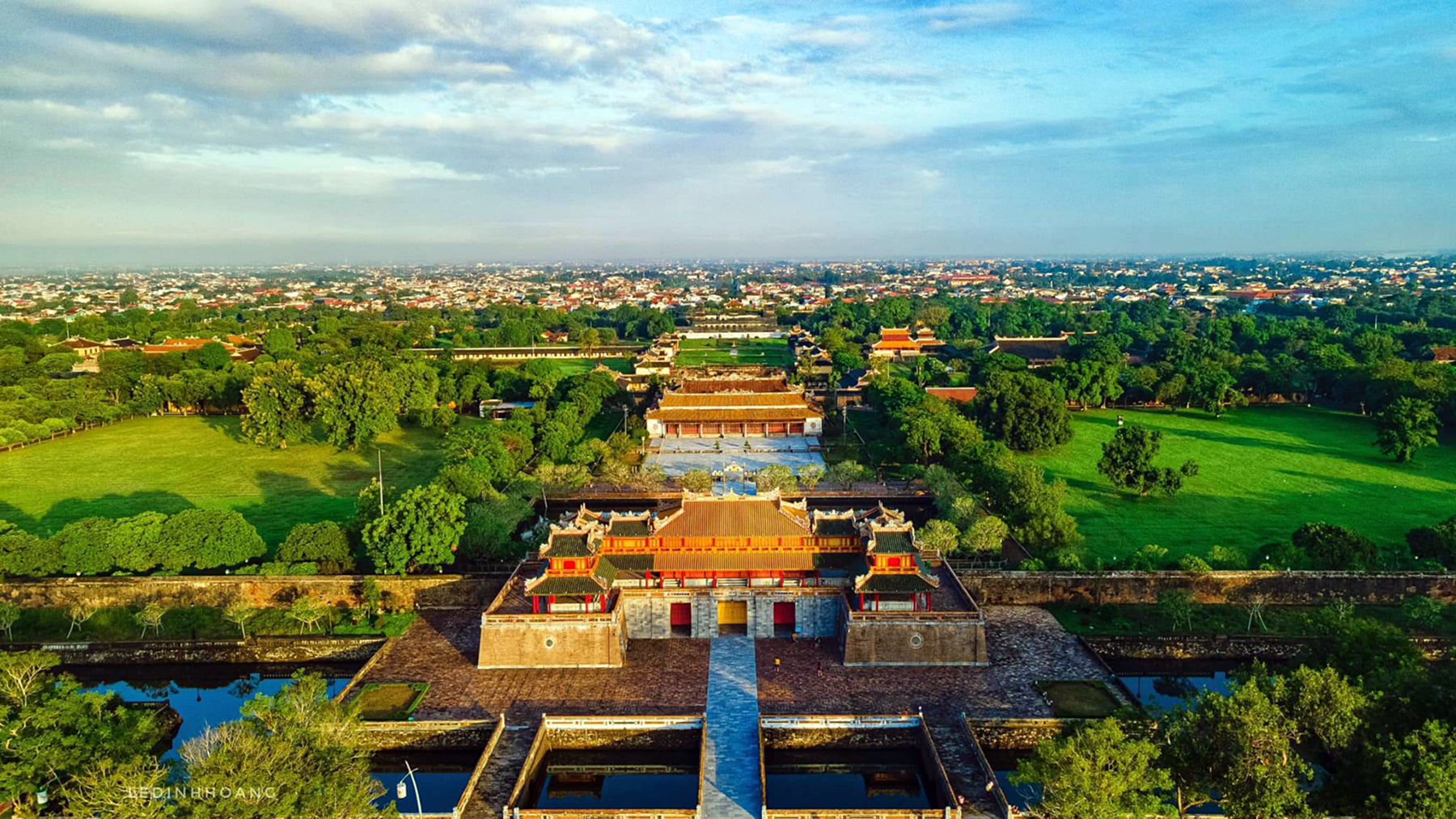
(Photo: Archive)
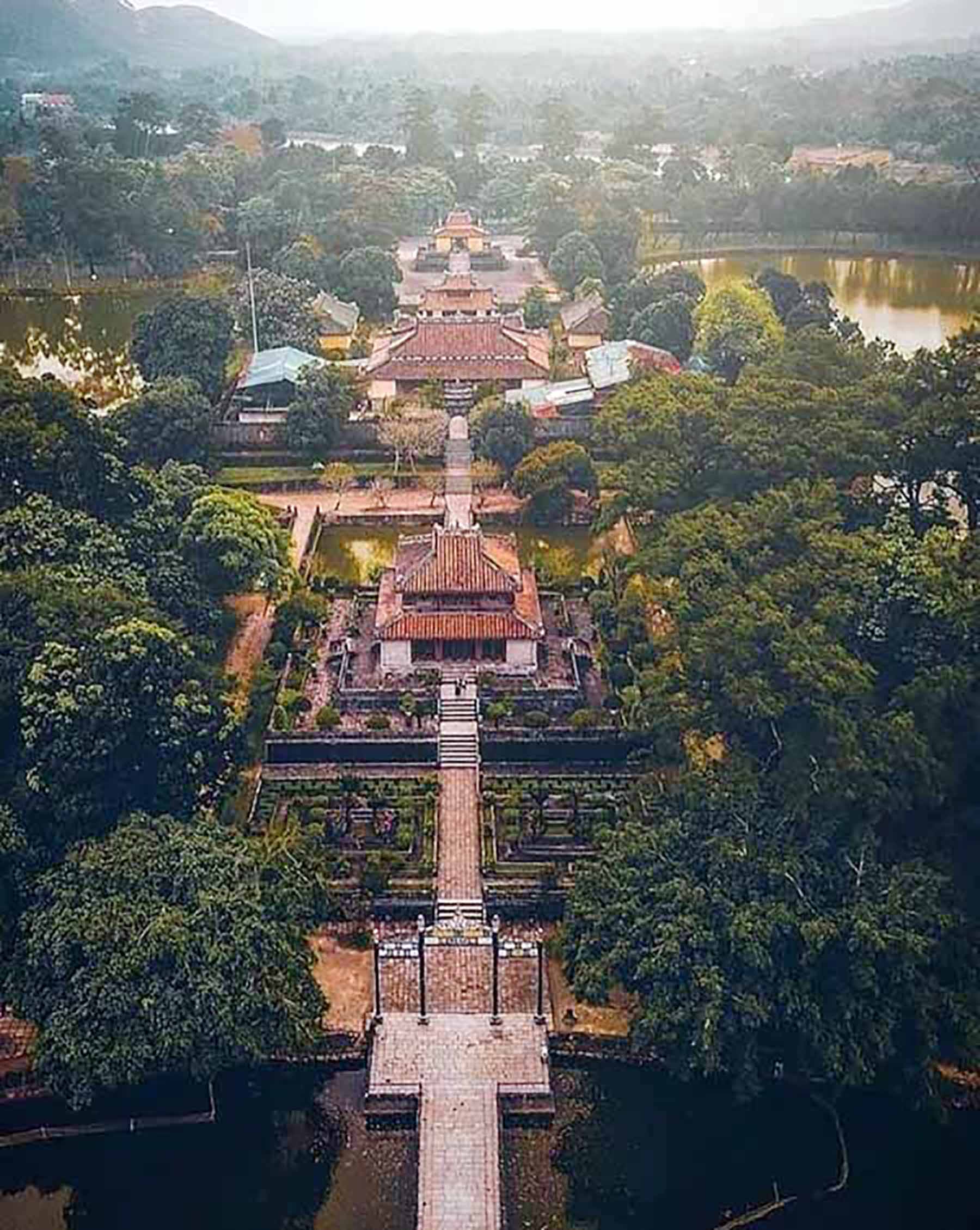
The Imperial Citadel of Huế is one of the most important historical complexes in Vietnam’s former imperial capital. Construction began in 1804 during the reign of Emperor Gia Long, and the palace complex was gradually completed by 1833 under Emperor Minh Mạng. At that time, the Imperial City contained approximately 147 buildings used for the political, administrative, religious and royal activities of the Nguyễn court.
The Huế Citadel complex consists of three main enclosed areas, arranged according to a hierarchical layout. The first, known as Kinh Thành, or the Outer Citadel, housed administrative buildings, residences and other structures essential to the functioning of the capital. Within it stood Hoàng Thành, or the Imperial City, reserved for royal palaces, dynastic temples and important court ceremonies.
At the heart of the complex was Tử Cấm Thành, or the Forbidden Purple City, the most private area, reserved for the emperor, his family and the inner life of the royal palace.
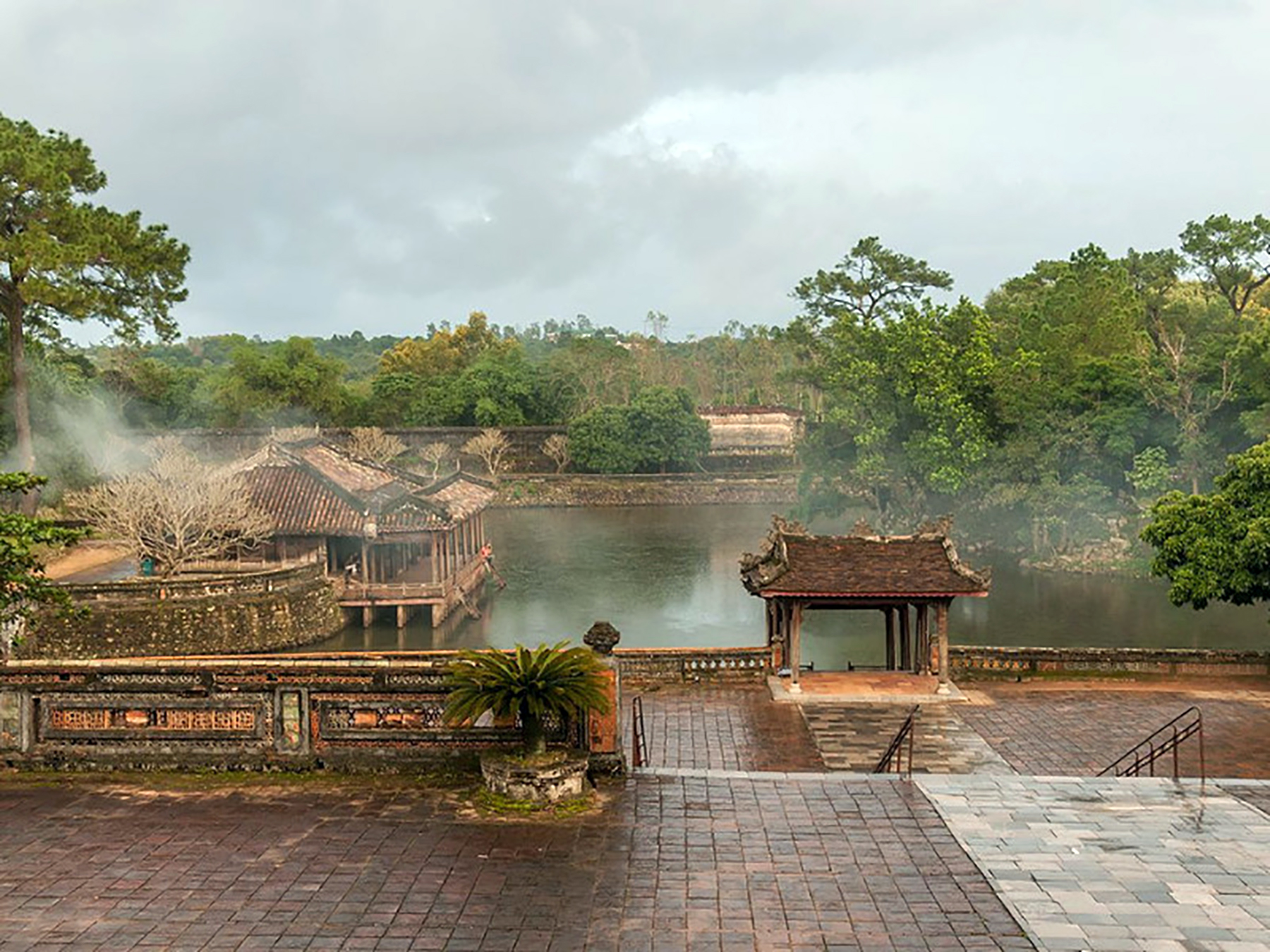
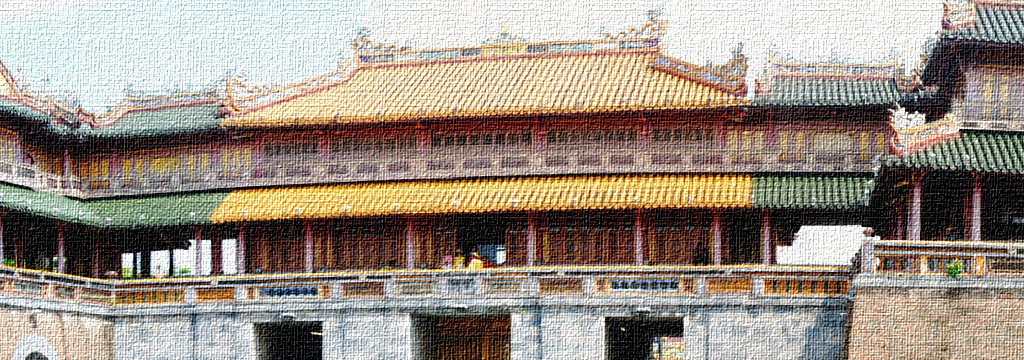
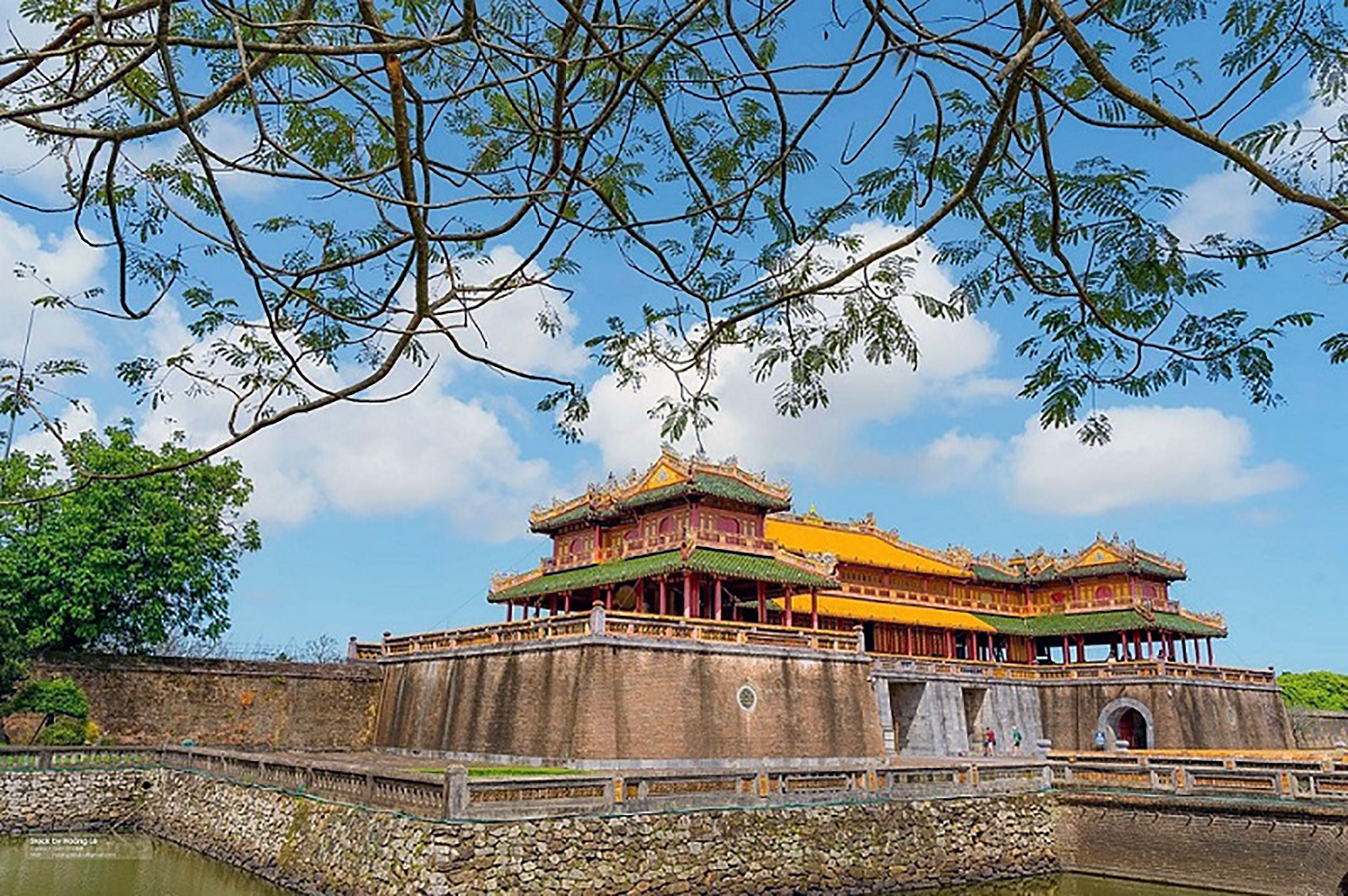
The Imperial City has an almost square layout, surrounded by brick walls, moats and protective ponds. It has four main gates: to the south, Ngọ Môn Gate, also known as the Noon Gate, the grandest entrance to the complex; to the east, Hiển Nhơn Gate; to the west, Chương Đức Gate; and to the north, Hòa Bình Gate. The bridges and ponds surrounding this enclosure bear the name Kim Thủy, evoking the water that protects and enhances the beauty of the imperial grounds.
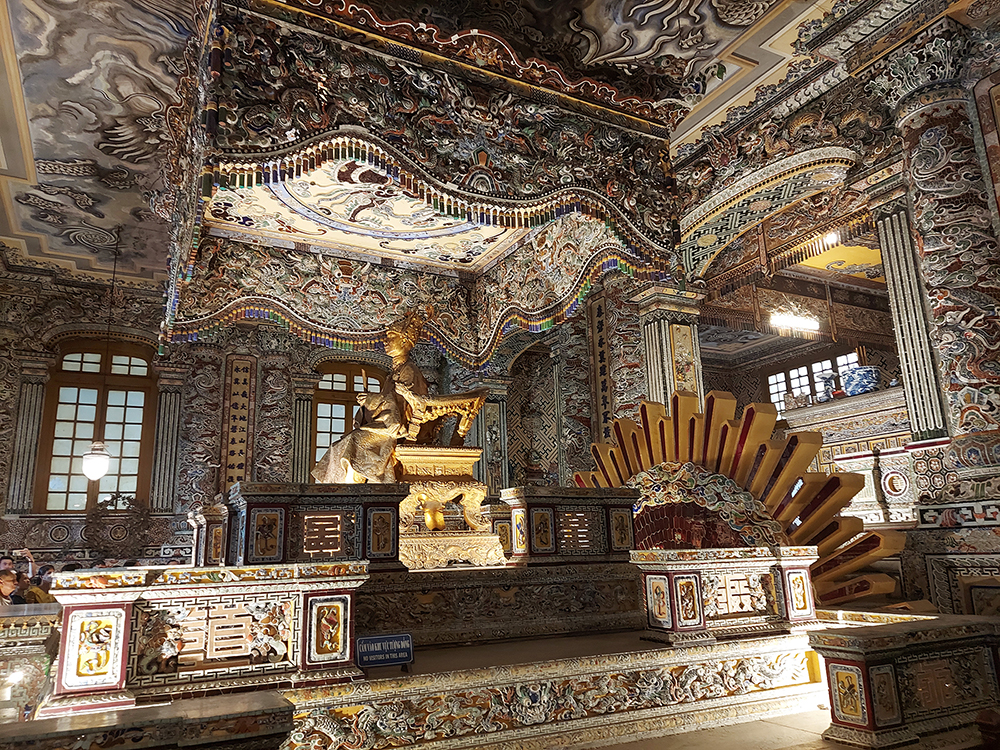
Despite the damage caused by time and war, the Imperial Citadel of Huế still retains a solemn and deeply poetic atmosphere. Its gates, palaces, courtyards and temples tell the story of the grandeur of the Nguyễn dynasty, offering visitors a deeper understanding of the history, architecture and delicate soul of Huế.