

REGIONAL DISHES

NORTHERN VIETNAM

HANOI

Phở | Beef rice noodle soup

Bún chả | Rice vermicelli with grilled pork

Bánh cuốn | Steamed rice rolls filled with pork


SAPA

Xôi ngũ sắc | Five-colour sticky rice


HA LONG BAY

Xôi trắng chả mực | White sticky rice with squid cakes

Bún bề bề | Rice vermicelli with mantis shrimp


NINH BINH – HALONG BAY ON LAND

Cua đồng rang lá lốt | Stir-fried rice-field crabs with lolot leaves


MAI CHAU

Chả cuốn lá bưởi | Grilled pork wrapped in pomelo leaves


MOC CHAU

Cá nướng Pa Pỉnh Tộp | Pa Pỉnh Tộp-style grilled stream fish


DIEN BIEN PHU

Thịt heo xay hấp lá chuối | Minced pork steamed in a banana leaf

Gà nướng Mắc Khén | Grilled chicken with Mắc Khén pepper

CENTRAL VIETNAM

PHONG NHA / QUANG BINH

Gỏi xoài khô mực | Green mango salad with dried squid

Nghêu xào thơm | Stir-fried clams with pineapple


QUANG TRI

Xà lách xoong trộn thịt bò | Watercress salad with beef


HUE

Bánh ram ít | Crispy and chewy sticky rice bites

Bánh bèo | Small steamed rice cakes with shrimp

Bánh khoái | Hue-style crispy pancake


DA NANG

Bánh tráng cuốn thịt heo | Rice paper rolls with pork


HOI AN

Cơm gà | Chicken rice

Cao lầu | Hoi An-style noodles with pork and herbs

SOUTHERN VIETNAM

NHA TRANG

Bánh xèo mực | Crispy Vietnamese pancake with squid


PHAN THIET – MUI NE

Bánh mì xíu mại | Vietnamese baguette with pork meatballs


HO CHI MINH CITY

Cơm tấm | Vietnamese broken rice


MEKONG DELTA

Hủ tiếu Mỹ Tho | My Tho-style rice noodle soup

Nem nướng | Grilled pork skewers

Bánh xèo | Crispy Vietnamese pancakes


PHU QUOC

Gỏi cá trích | Vietnamese herring salad

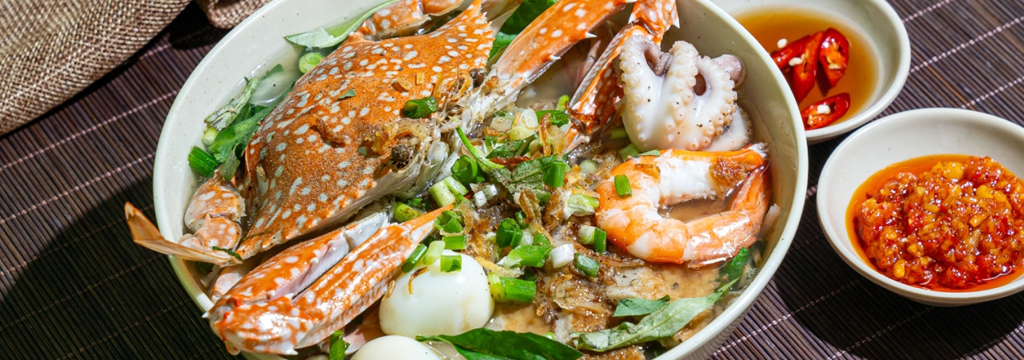
Bánh canh ghẹ | Thick noodle soup with crab

CENTRAL HIGHLANDS

DA LAT

Gà nướng sốt tiêu xanh | Grilled chicken with green pepper sauce
Sữa đậu nành | Soy milk


BUON MA THUOT

Gà nướng Buôn Đôn | Buon Don-style grilled chicken

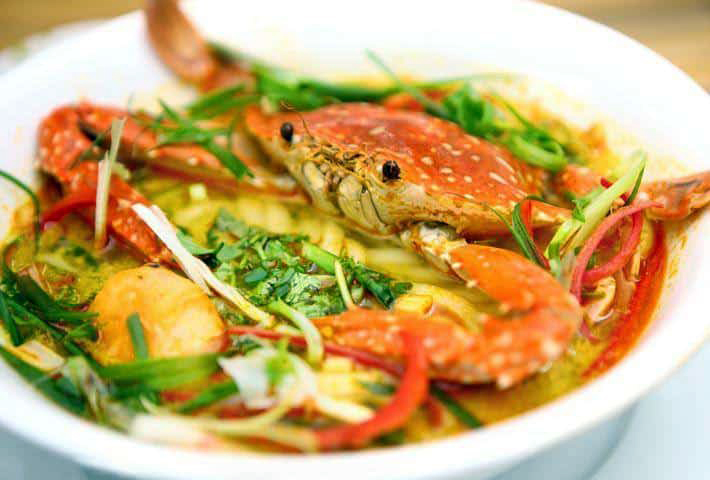
BÁNH CANH GHẸ | Thick noodle soup with crab

Among the specialities of the coastal region of Phú Quốc, bánh canh ghẹ is a simple, flavourful and comforting dish.

The thick bánh canh noodles are usually made from rice flour and served in a fragrant broth prepared from bones. They are topped with the meat of freshly steamed blue crab, sometimes accompanied by other seafood.

The natural sweetness of the crab, combined with the hot, fragrant broth, gives the dish a delicate seafood flavour that is highly characteristic of Phú Quốc cuisine.

(Photo: Archive)

Ingredients – Serves 4

  • 4 fresh blue crabs
  • ½ cup rice flour
  • 1½ cups tapioca starch
  • 2 tablespoons annatto seeds
  • 3 spring onions
  • 2 shallots
  • 2 lime leaves
  • A little Vietnamese coriander (rau răm)
  • 2 stalks lemongrass
  • A little fresh coriander
  • A little oil
  • 200 ml coconut milk
  • Seasoning to taste: salt, sugar and pepper

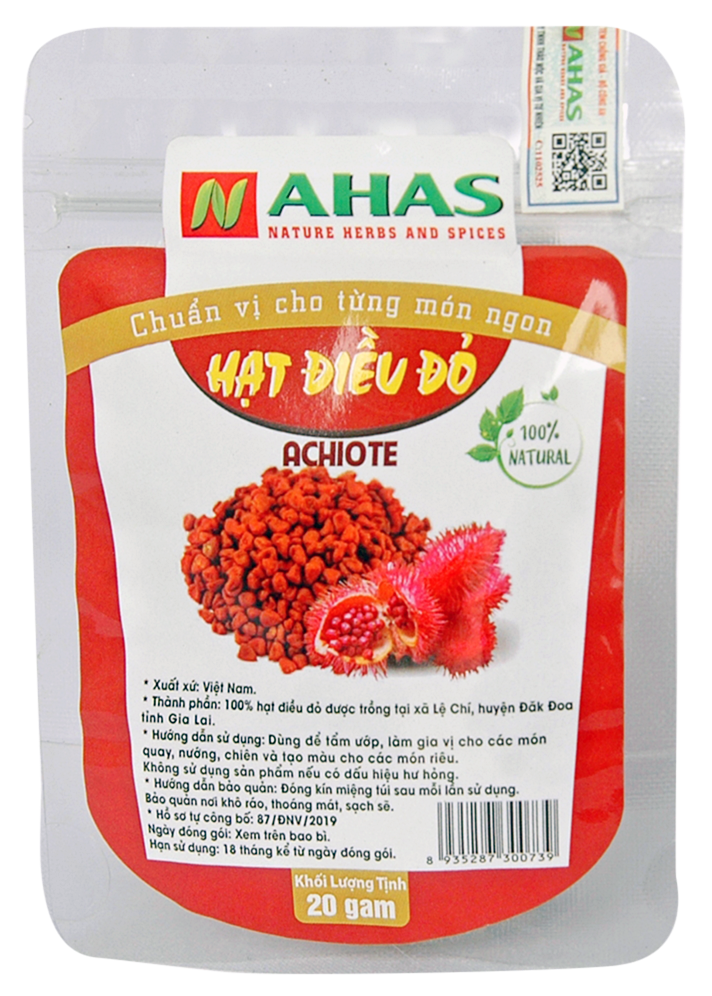
Annatto seeds (Photo: Archive)

Preparing the Ingredients

Clean the blue crabs thoroughly, cut off the legs, remove the shells and set aside any crab roe separately if present.

Remove the crab meat, then season it lightly with salt and pepper. Leave to rest for about 25 to 30 minutes so that it absorbs the flavours.

Trim the roots from the spring onions, rinse them, then finely slice them.

Peel the shallots, lightly crush them, then finely chop them.

Pick the tender leaves from the Vietnamese coriander (rau răm), rinse them, then finely chop them.

Rinse the fresh coriander, remove the roots if necessary, then leave it to drain well.

Preparing the Bánh Canh Noodles

In a large bowl, combine the rice flour and tapioca starch, then gradually add 200 ml water, stirring until the mixture is smooth and well combined.

Pour the mixture into a saucepan and cook over low heat, stirring constantly, until it thickens and begins to form a soft dough.

Remove from the heat, then continue stirring for a few moments until you obtain a thick, partially cooked dough.

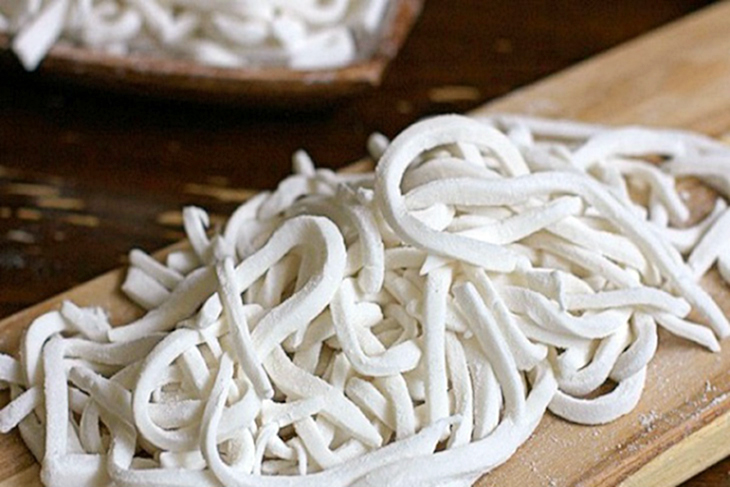
Bánh canh noodles (Photo: Archive)

Transfer the dough to a piping bag. Cut the tip of the bag according to the desired thickness: a smaller opening will produce thinner noodles, while a wider opening will create thicker noodles.

Bring a large saucepan of water to the boil. Gently squeeze the piping bag so that the bánh canh noodles fall directly into the boiling water.

If you have a large amount of dough, work in 2 or 3 batches to prevent the noodles from sticking together.

Cook until the noodles rise to the surface, then remove them with a slotted spoon and drain thoroughly.

Tip: You can rinse them briefly under cool water after cooking to stop the cooking process and help prevent them from sticking together.

Preparing the Blue Crab Bánh Canh

Heat a little oil in a saucepan, then add the annatto seeds. Cook gently until the oil turns a beautiful reddish-orange colour, then remove the seeds.

Add the chopped shallots and sauté until fragrant. Then add the blue crab meat and the reserved crab roe, if any, and gently stir-fry for a few moments.

Pour in enough water to prepare the broth, add the lemongrass stalks, then bring to the boil. Reduce the heat and simmer gently. Season with salt, sugar and pepper to taste.

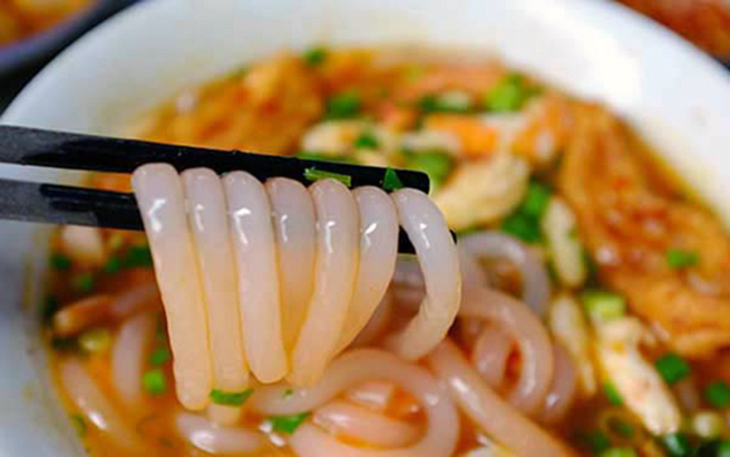
Bánh canh (Photo: Archive)

Add 200 ml coconut milk and stir gently.

Mix a little tapioca starch with cold water, then gradually pour it into the broth while stirring, until the broth becomes slightly creamy and thickened.

Taste and adjust the seasoning if necessary, then remove from the heat.

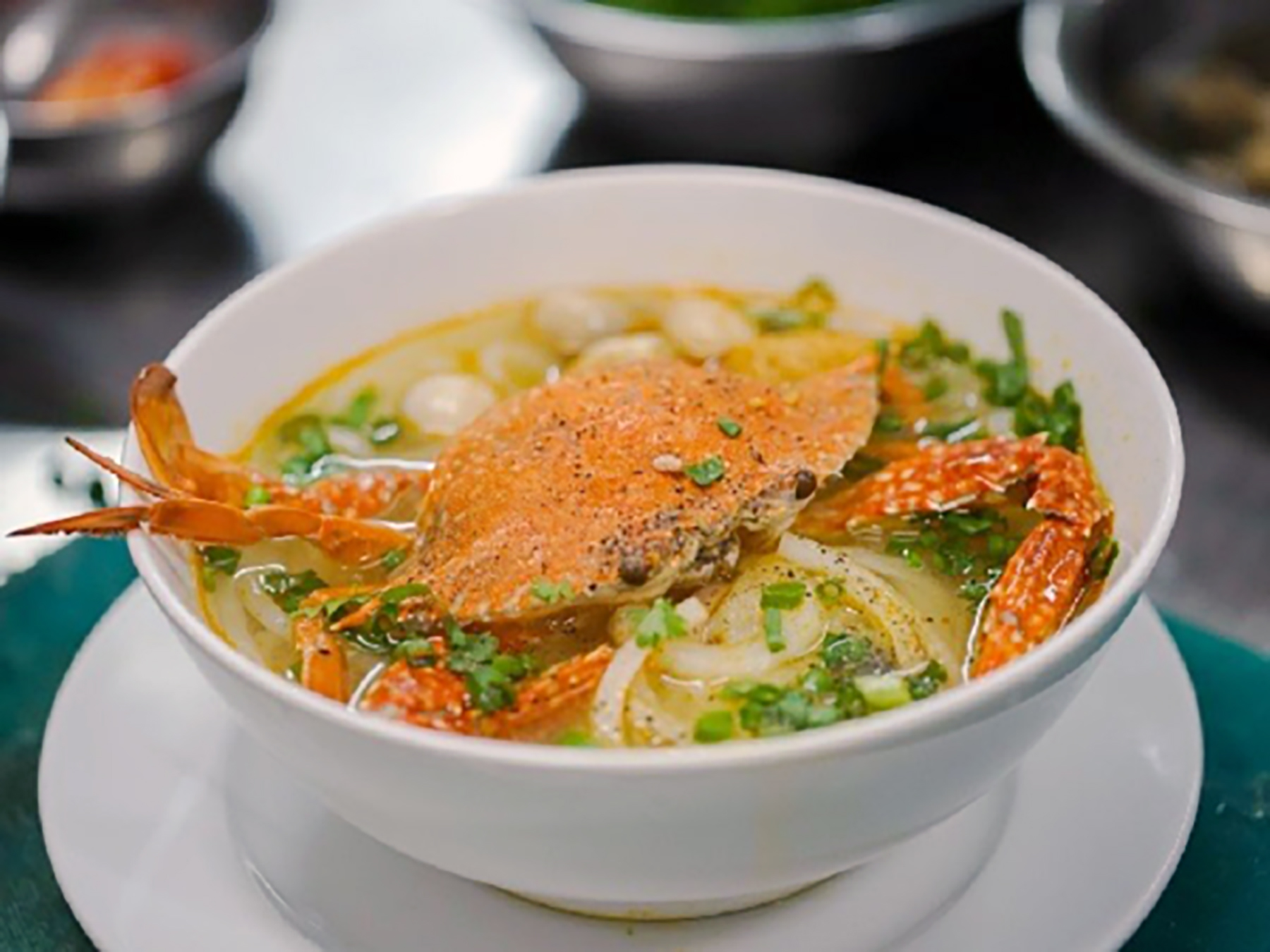
Blue crab bánh canh (Photo: Archive)

Serving and Enjoying

Place the bánh canh noodles in the broth for a few moments so that they absorb the flavours.

Divide the noodles among serving bowls, add a little fresh coriander and spring onion, then arrange the blue crab meat on top.

Pour over the piping hot broth and serve immediately.

Serve with a small bowl of salt, chilli and lime, along with a few fresh herbs according to your preference.

Blue crab bánh canh is best enjoyed piping hot, while the noodles are still tender and the flavours of the crab and broth are at their fullest.

Enjoy your meal!