
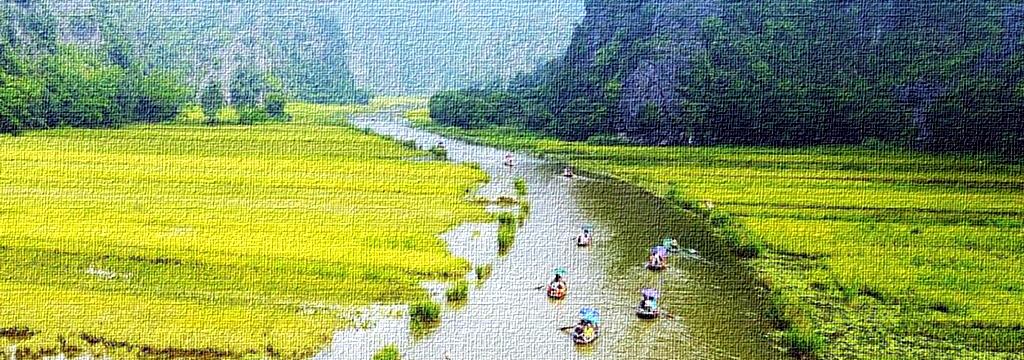
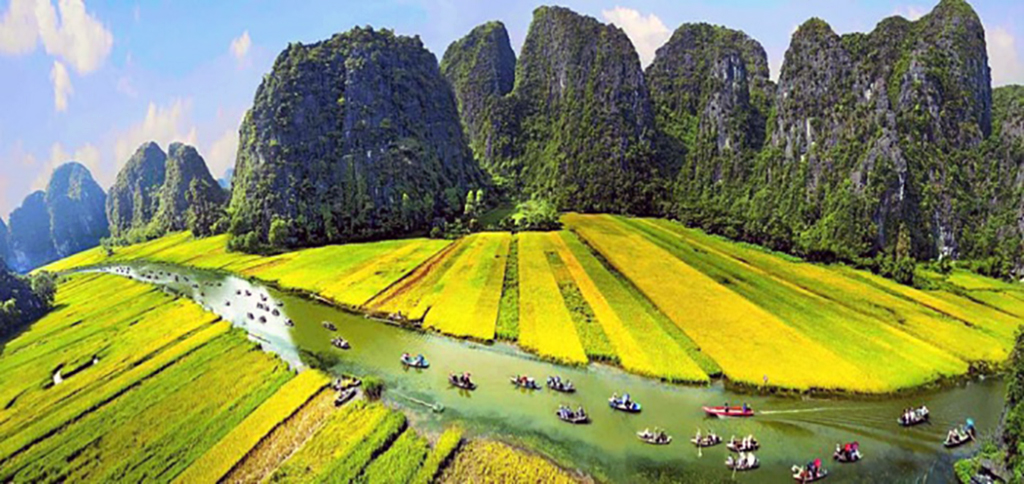
INLAND HẠ LONG BAY

Ninh Bình was once the capital of Vietnam from 968 to 1010, under the Đinh and Tiền Lê dynasties and at the beginning of the Lý Dynasty. This region also holds an important place in the country’s history, having played a strategic role during different periods.

Today, thanks to its favourable geographical location, rich historical and cultural heritage, and exceptional natural landscapes, Ninh Bình has become one of the most popular destinations in northern Vietnam. With its UNESCO World Heritage sites and World Biosphere Reserve, it attracts many travellers seeking discovery, nature and authentic experiences.

La Lagune Vân Long (Photo: Archive)

Best Time to Visit Ninh Bình

From April to August.


Places to Visit in Ninh Bình

Vân Long Wetland Nature Reserve

Vân Long Wetland Nature Reserve is located in Gia Vân Commune, Gia Viễn District, Ninh Bình Province, around 80 km from Hanoi. This area is not a natural lake: it was formed following the construction of a nearly 30-kilometre dyke along the Đáy River, built by local residents to help control flooding.

Over time, Vân Long became the largest wetland area in northern Vietnam. With its limestone karsts, caves, calm waters and well-preserved natural environment, the reserve offers a landscape that is wild, poetic and impressive.
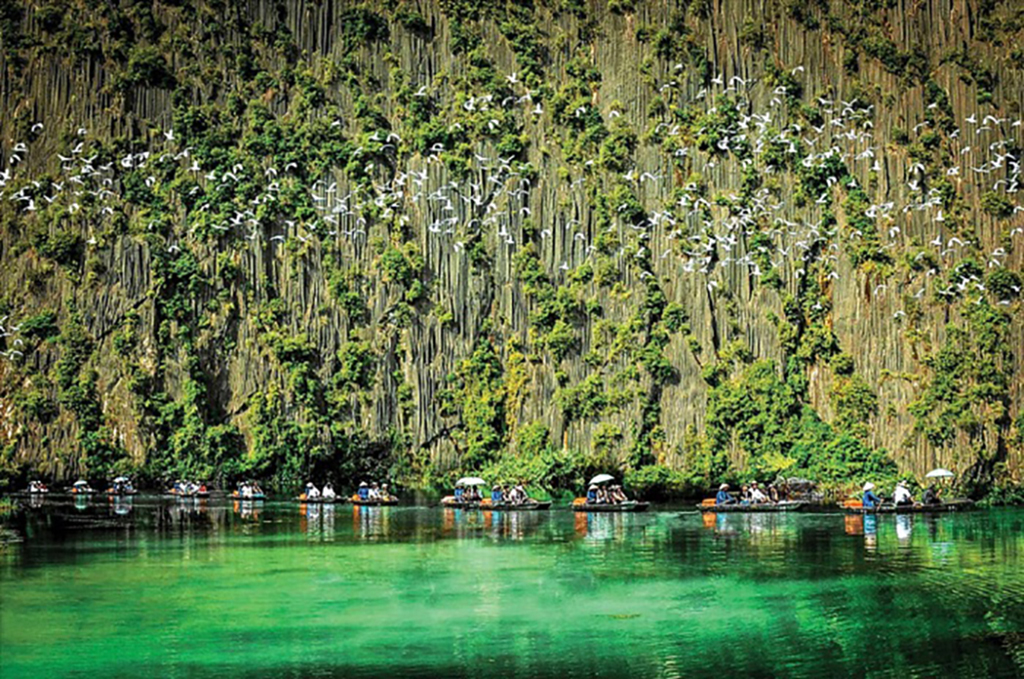
(Photo: Archive)

Covering more than 3,500 hectares, Vân Long Nature Reserve was established in 1998. It is home to a remarkable ecosystem made up of wetlands, forests and limestone mountains. This natural environment provides valuable habitat for numerous animal and plant species.

Vân Long is also known as one of the last refuges of the Delacour’s langur, a rare species endemic to Vietnam. In addition to its natural richness, the area also has historical and cultural value, with its caves, archaeological remains and authentic landscapes.

With its wild nature, deep tranquillity and majestic beauty, Vân Long appeals to travellers looking for a peaceful, well-preserved and deeply authentic side of Vietnam.
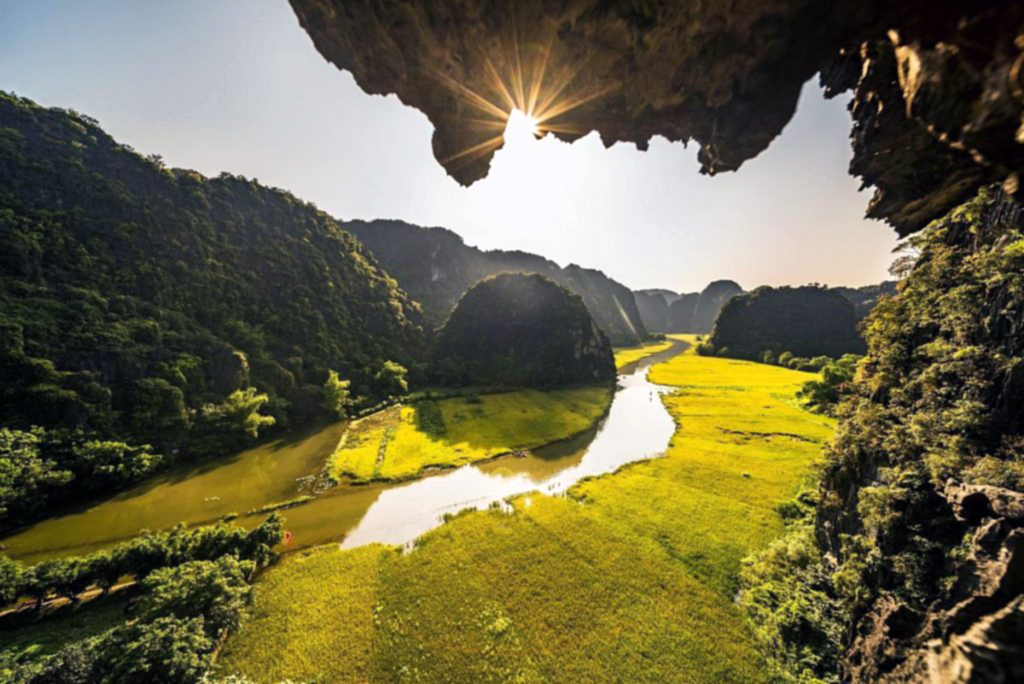
 

Tam Côc – Bích Dông

Tam Cốc – Bích Động is one of the most iconic sites in Ninh Bình, known for its peaceful landscapes, winding rivers flowing between limestone mountains and natural caves.

Tam Cốc literally means “three caves”: Hang Cả, Hang Hai and Hang Ba. These three caves were formed by the Ngô Đồng River, which flows through the limestone mountains and creates a natural setting that is both majestic and poetic.

Photo: Archive)

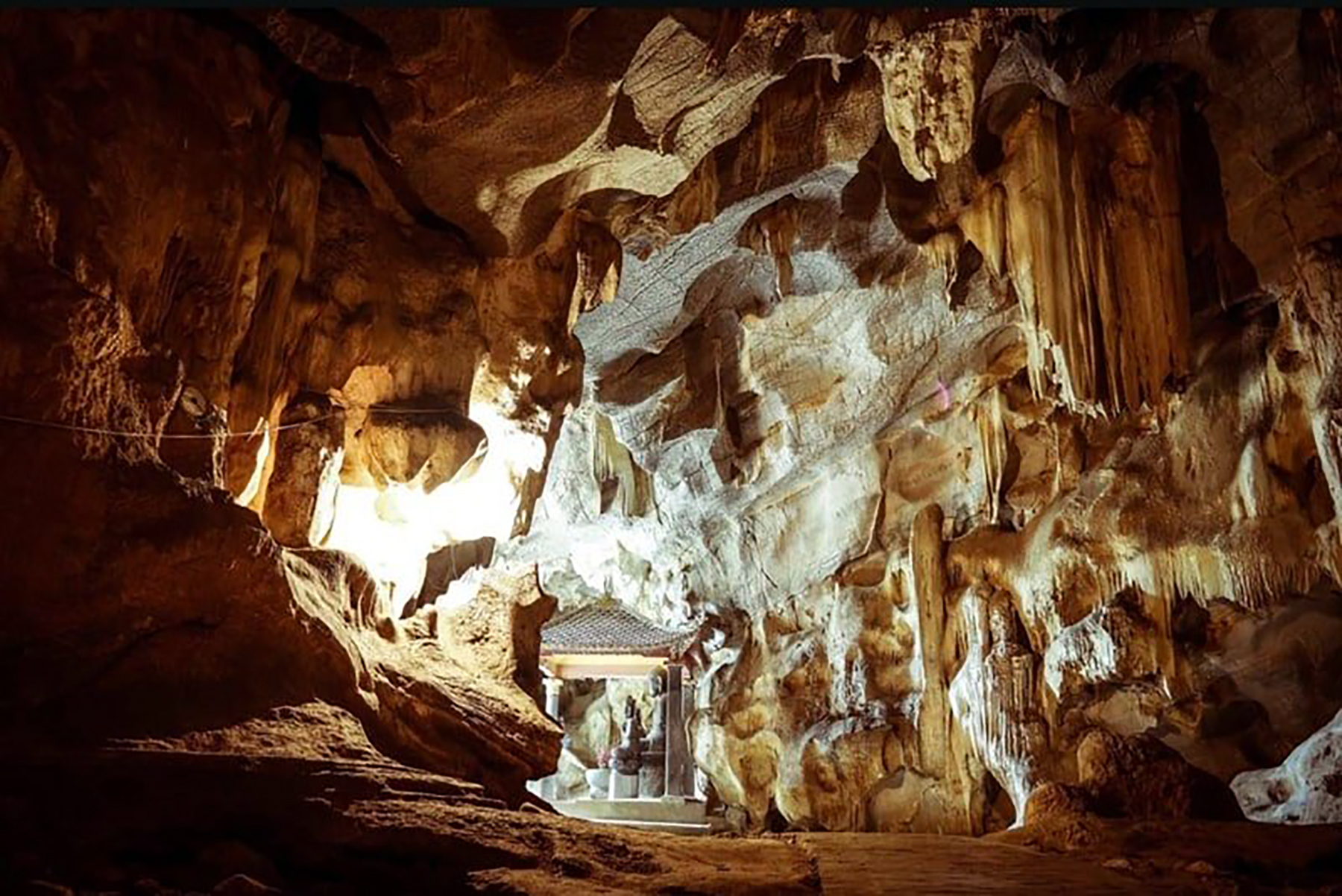
  • Hang Cả, the largest of the three caves, is 127 metres long and passes through an imposing mountain. Its entrance, more than 20 metres wide, leads into a cool and mysterious space decorated with numerous stalactites of various shapes.
  • Hang Hai is located about one kilometre from Hang Cả. Measuring 60 metres in length, it is remarkable for its ceiling adorned with unusual and striking stalactite formations.
  • Hang Ba, situated near Hang Hai, is about 50 metres long. Its ceiling is lower than those of the other two caves and resembles a natural stone vault.

About 2 km from the Tam Cốc boat pier lies Bích Động, whose name means “Green Cave”. The name was given in 1773 by Nguyễn Nghiễm, father of the great poet Nguyễn Du.

Bích Động has long been considered one of the most beautiful landscapes in Vietnam. It was once known as the “second most beautiful cave under the Southern Sky”, after Hương Tích Cave at Hương Sơn and before Địch Lộng Cave at Kẽm Trống.

The Bích Động site includes a dry cave located halfway up the mountain, where Bích Động Pagoda is situated, as well as a water cave running through the mountain, known as Xuyên Thủy Động. Combining spirituality, nature and historic charm, Bích Động offers visitors a peaceful and atmospheric setting.


La grotte de Thiên Huong

Thiên Hương Cave has a rare natural feature: at the back of the cave, a vertical opening leads towards the top of the mountain. This natural shaft, open to the sky, is about 6 metres in diameter.

From inside the cave, visitors can look up and see a patch of blue sky, like a natural window in the heart of the mountain. Thanks to its elevated position and this opening, which allows air to circulate, the cave remains cool and well ventilated.

On clear days, sunlight enters the cave and illuminates the rock walls, creating a shimmering and almost magical atmosphere. This peaceful and luminous setting gives Thiên Hương Cave a distinctive charm, different from many other caves in the region.

(Photo: Archive)