MAI CHÂU - HÒA BÌNH

Mai Châu is a mountainous district located in the western part of Hòa Bình Province, around 110 km from central Hanoi. The journey takes approximately three hours by car. The road is relatively easy and pleasant, with the scenery gradually changing to green valleys, gentle mountains and peaceful countryside.

Far from the bustle of large cities, Mai Châu is appreciated for its tranquil atmosphere, fresh air and simple natural beauty. The region retains a discreet and authentic charm, with rice fields, stilt houses and villages surrounded by mountains. Like a young woman from the highlands, Mai Châu reveals its beauty with gentleness, simplicity and serenity.

(Photo: Archive)


Best Time to Visit Mai Châu

All year round.


Places to Visit in Mai Châu

Lác Village

Lác Village is one of the oldest and most famous villages in the Mai Châu Valley, in Hòa Bình Province. With more than 700 years of history, it has preserved a strong cultural identity linked to the White Thai community, one of the region’s most distinctive ethnic groups.

Despite the changes brought by modern life, the village has retained the simple and authentic charm of a traditional rural settlement. Local people mainly make their living from agriculture, handicrafts and, today, community-based and eco-tourism.
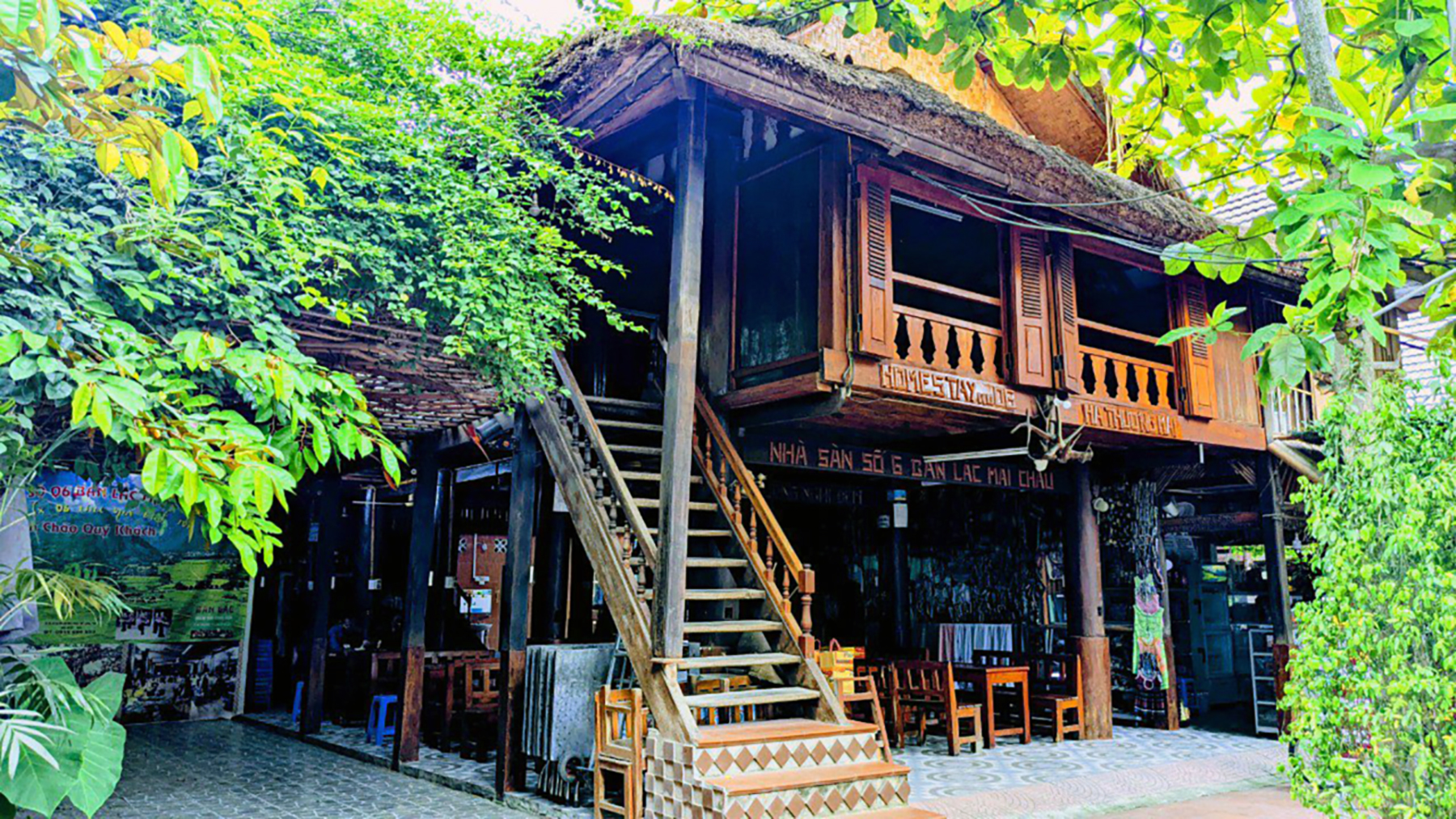
(Photo: Archive)

Far from the bustle of large cities, Lác Village welcomes travellers into a peaceful setting surrounded by mountains, rice fields and, at times, light mist that makes the landscape even more poetic. With its stilt houses, warm smiles and gentle pace of life, the village offers an authentic glimpse into the peaceful charm of Mai Châu.


Thung Khê Pass

(Photo: Archive)

Thung Khê Pass, also known as Đá Trắng Pass, is one of the most impressive places on the road to Mai Châu. It is distinguished by its bright white limestone cliffs, which give the landscape a wild and distinctive beauty.

The pass can be visited at any time of year. In the morning, the air is cool and sometimes even cold, with light mist typical of the mountains of north-western Vietnam. Around midday, when the sun appears, the light gradually warms the landscape and reveals the full beauty of the white cliffs surrounding the road.

With its fresh morning air, soft light and mountain scenery, Thung Khê Pass offers travellers a pleasant and scenic stop before reaching the peaceful Mai Châu Valley.

Pom Coong village

Pom Coọng Village is set in a harmonious natural landscape where gentle hills blend with green plains. This setting gives the village a peaceful and charming atmosphere. Today, Pom Coọng is home to more than 300 residents, living in nearly 70 households belonging to several large families and sharing a simple, close-knit way of life.

Pom Coọng can be visited in any season to enjoy the tranquillity of the mountains, forests and long country roads lined with greenery. In the morning, as the mist gradually lifts, the village reveals its gentle rhythm of life: children head to school, women begin their daily work, and everyday life unfolds naturally.

(Photo: Archive)

At nightfall, Pom Coọng becomes more lively. From the stilt houses, visitors can sometimes hear the sound of drums, cheerful flute melodies and the clear voices of local people during traditional evening performances. This warm atmosphere offers travellers a closer glimpse into the culture of the White Thai community.

The stilt houses, built side by side and separated by small gardens, vegetable plots or flower beds, are one of the village’s most distinctive features. Thai houses are generally quite high, often around two metres above the ground, and supported by sturdy wooden pillars. This design helps keep the living space clean, cool and well ventilated. Floors are often made of bamboo or rattan, while roofs may be covered with thatch, palm leaves or sometimes tiles. Large windows allow fresh air to circulate, giving each house an open, simple and welcoming atmosphere.


Mo Luông Cave

(Photo: Archive)

Mỏ Luông Cave, also known as Bó Luông in the Thai language, means “great water source”. The name originates from local legends passed down among the Thai communities living in the region.

Located within a limestone massif, Mỏ Luông Cave was formed over thousands of years through the action of water, erosion and time. Nature has created a mysterious underground landscape filled with stalactites and stalagmites of many different shapes. The cave consists of four main chambers and extends to a depth of up to 500 metres.

The first chamber is impressive in size. It resembles a vast natural hall, with a ceiling reaching up to 20 metres high, a length of around 60 metres and a width of 16 metres. The walls are covered with rugged rock formations, while numerous stalactites hang from the ceiling, creating a majestic atmosphere.

(Photo: Archive)

The third chamber is considered the coolest. Covering an area of around 400 m², it is distinguished by its hanging stalactites, which sparkle under the light like natural chandeliers.

(Photo: Archive)

The fourth chamber, which lies deeper inside the cave, also features beautiful stalactite and stalagmite formations. In some places, a small stream can be seen flowing gently towards Mỏ Luông Lake outside.


After exploring the four chambers, visitors gradually return to daylight, the green mountains of Mai Châu and the tranquillity of the stilt houses nestled in the valley. The cave offers a pleasant experience combining natural discovery, underground coolness and the peaceful charm of the highlands.

(Photo: Archive)