HỒ CHÍ MINH VILLE – SaIgon

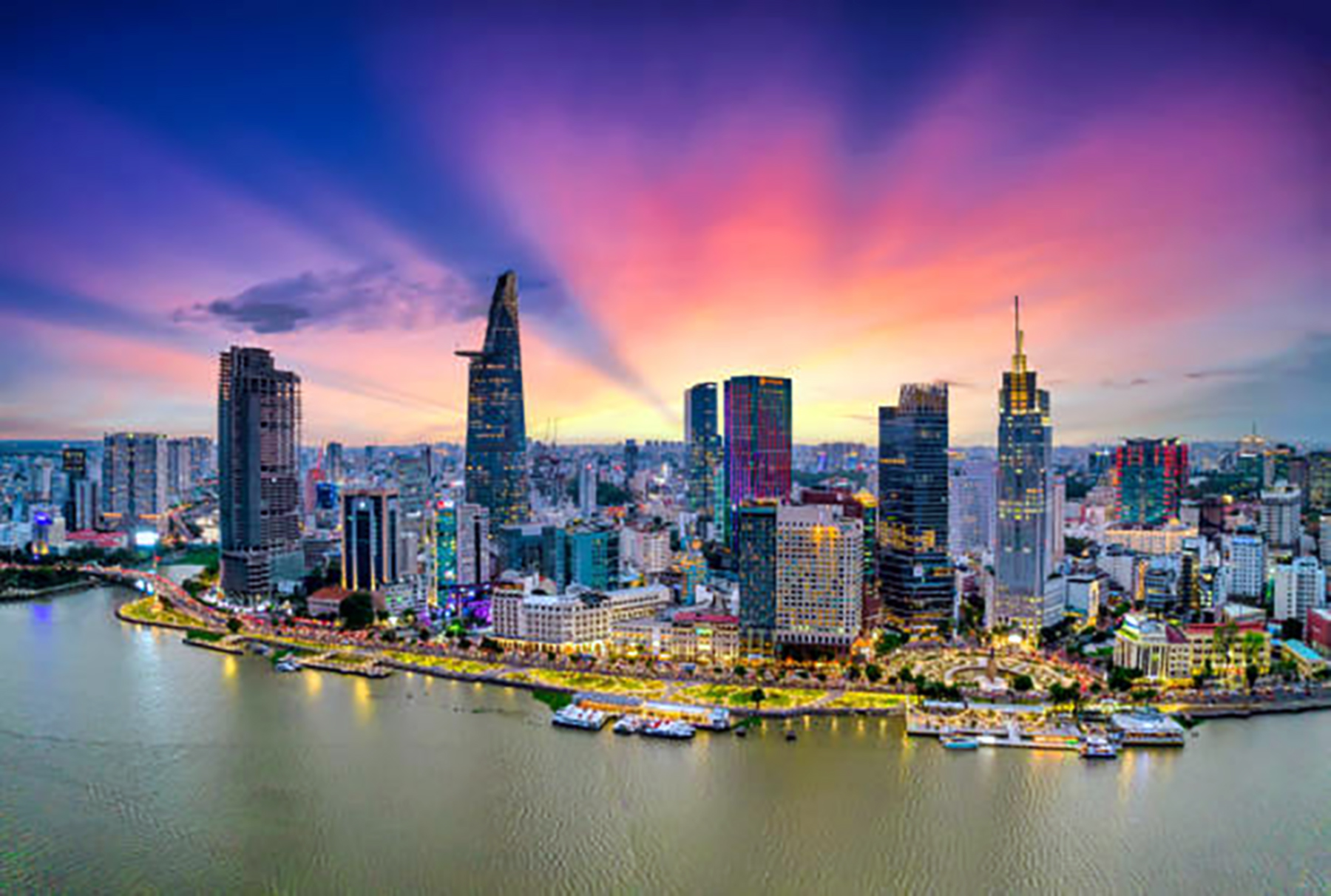
Ho Chi Minh City, still affectionately known as Saigon by many locals, is the largest metropolis in southern Vietnam. Dynamic and cosmopolitan, it is one of the country’s leading economic, cultural and tourist centres.

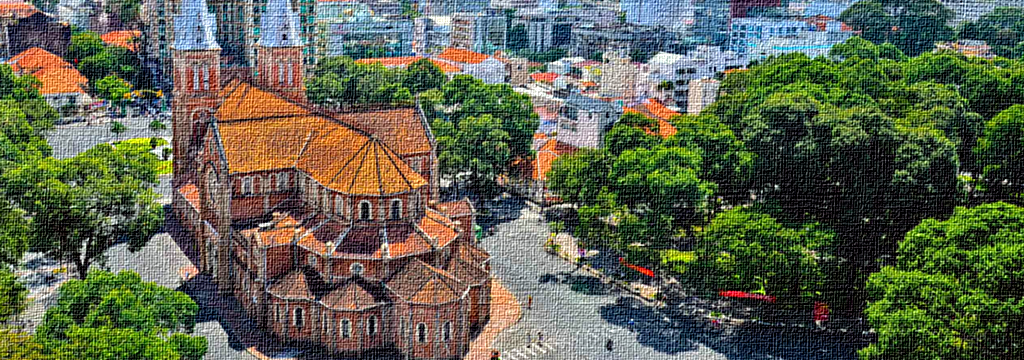
During the French colonial period, Saigon played an important role in Indochina, serving as a major administrative, economic and cultural centre. With its wide boulevards, elegant buildings and lively atmosphere, the city was once nicknamed the “Pearl of the Far East”. Even today, many historic buildings in the city centre bear witness to this era, contributing to Saigon’s distinctive charm.

Bùi Viện Walking Street

Much like Tạ Hiện Street in Hanoi, Bùi Viện is one of the liveliest areas in Ho Chi Minh City. Popular with travellers from around the world, this bustling pedestrian street offers a cosmopolitan atmosphere, with numerous restaurants, cafés, bars and small shops.

As night falls, Bùi Viện takes on a completely different character. Outdoor terraces come alive, music fills the street and street performers add to the festive atmosphere. Colourful lights, lively conversations and international cuisine come together to create one of the most vibrant and modern sides of Saigon.

(Photo: Archive)

Best Time to Visit Hồ Chí Minh City

Hồ Chí Minh City can be visited all year round, with each season offering its own unique charm.


Places to Visit in Hồ Chí Minh City

Cu Chi Tunnels

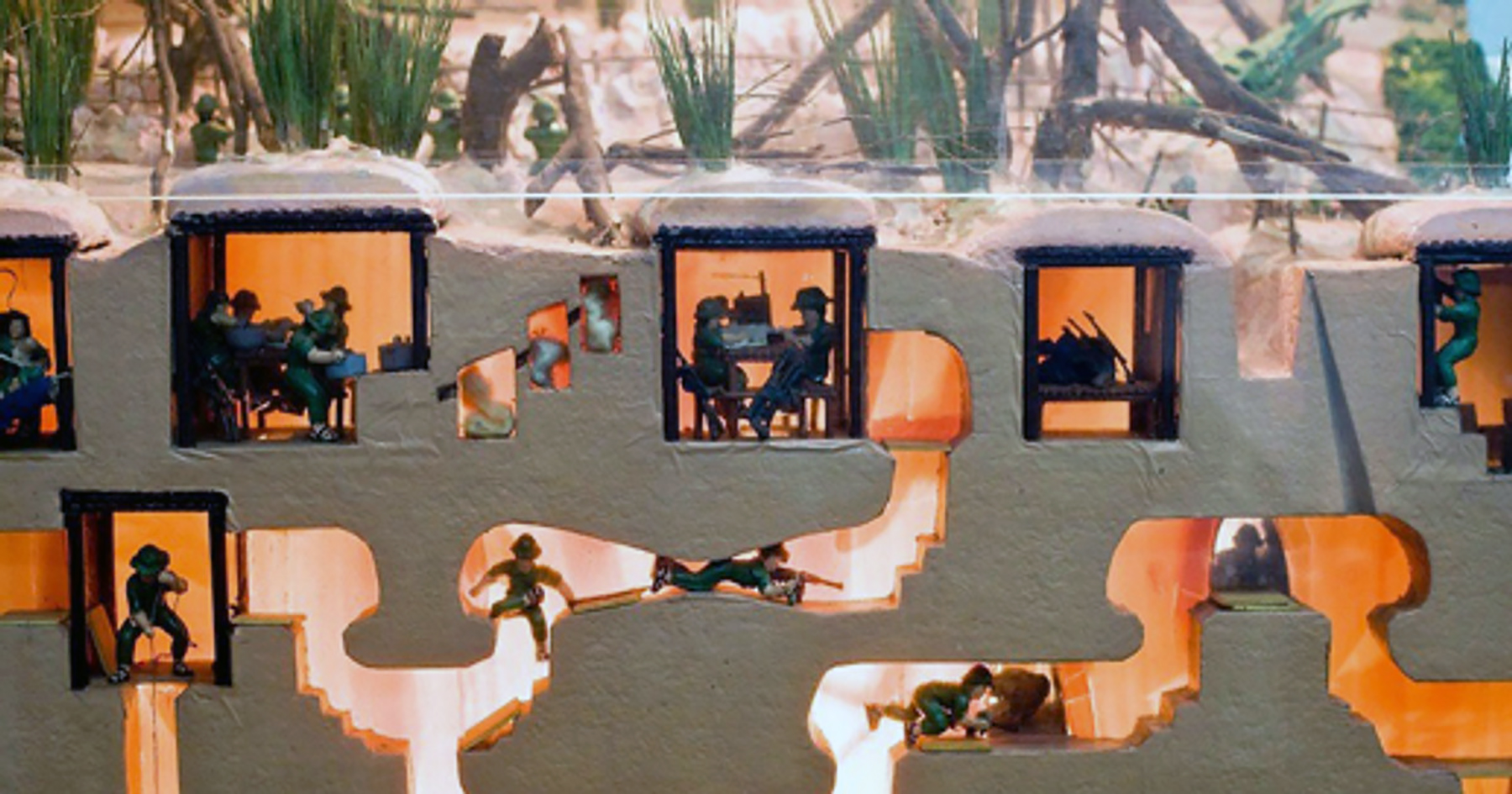
Located approximately 70 km northwest of Ho Chi Minh City, the Củ Chi Tunnels form an impressive underground network dug during the Indochina and Vietnam wars. Gradually expanded by Vietnamese fighters, this vast tunnel system extended for nearly 250 km, providing shelter from bombing raids while allowing people to live, move between locations and organise military operations underground.

Resembling an entire underground village, the network included command posts, medical stations, kitchens, food and weapons storage areas, wells and resting spaces. Ingeniously concealed ventilation systems also allowed fresh air to circulate while remaining almost invisible from the surface.
(Photo: Archive)

The tunnel network was organised on three levels, reaching depths of up to approximately 10 metres underground. Narrow passageways connected the different sections, while entrances were carefully concealed beneath vegetation using small, camouflaged trapdoors.

During the Vietnam War, the tunnels played an important strategic role, particularly during the Tết Offensive in 1968. Today, a visit to the Củ Chi Tunnels offers travellers a deeper understanding of the extremely difficult living conditions faced by Vietnamese fighters and the remarkable ingenuity behind the construction of this underground network.

Some sections of the tunnels have been adapted for visitors, allowing them to explore parts of the underground network and discover the various spaces once used during the war.
Bên Thành Market

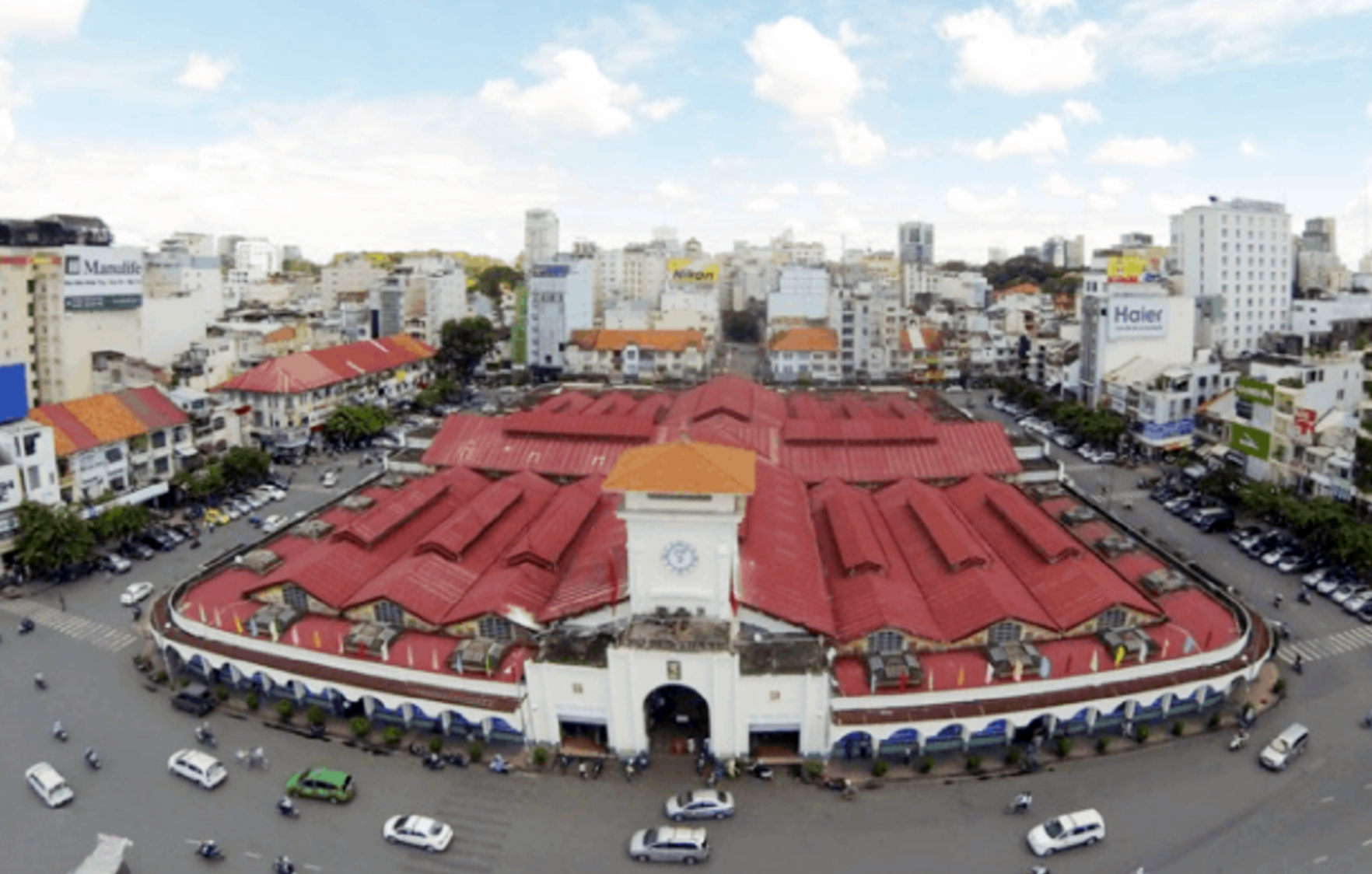
Located in the heart of Hồ Chí Minh City, Bến Thành Market is one of Saigon’s most iconic landmarks. With its historic architecture and famous clock tower, it stands out among the modern buildings of the city centre.

Over the years, the market has undergone several renovations while preserving its traditional character and lively atmosphere. Visitors can explore a wide variety of goods, including fresh fruits, spices, souvenirs, clothing, local handicrafts and a delicious selection of Vietnamese specialities.

(Photo: Archive)

War Remnants Museum

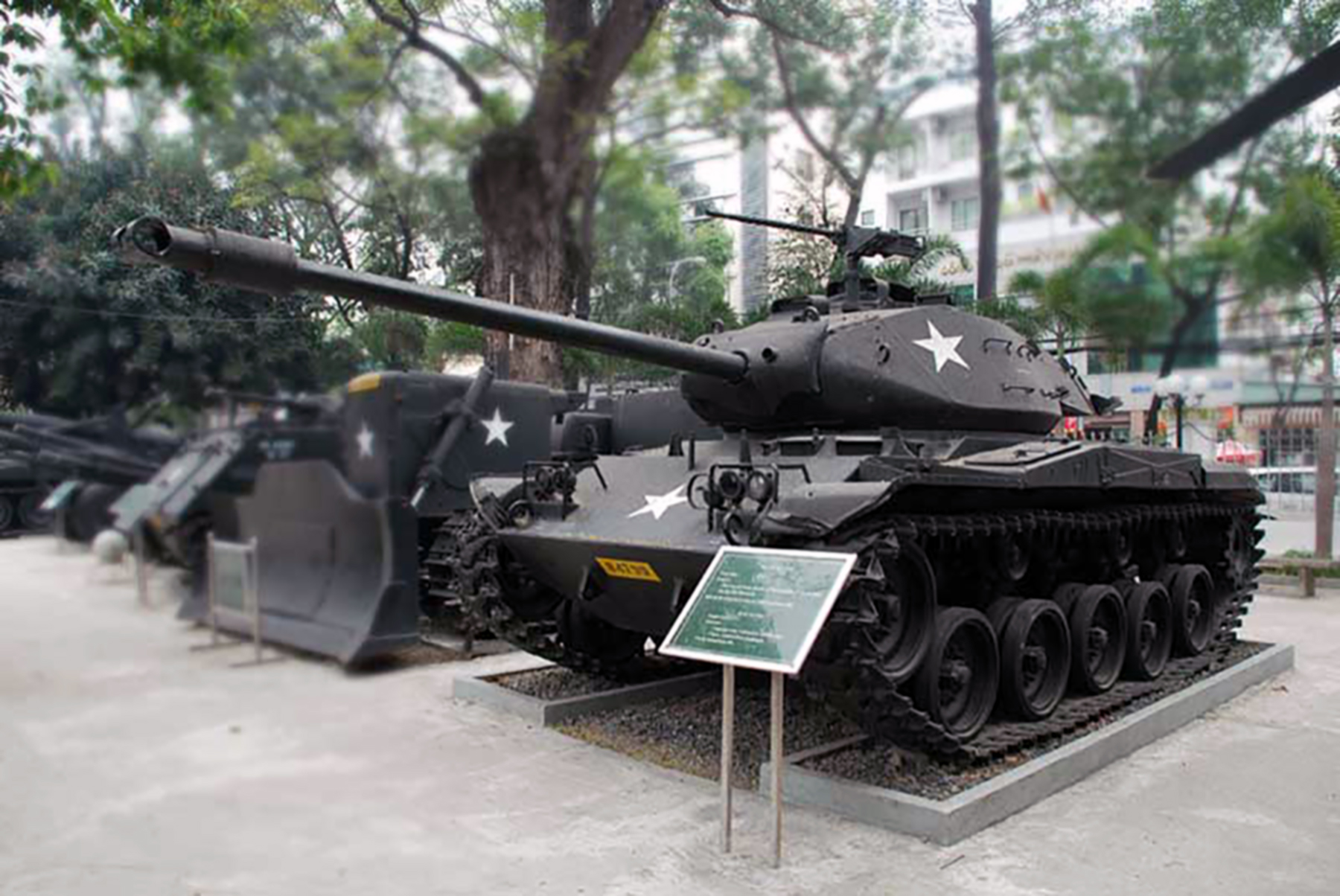
Located in the heart of Ho Chi Minh City, the War Remnants Museum houses an extensive collection of historical documents, photographs, artefacts and military equipment related to the conflicts that have shaped Vietnam’s modern history.

(Photo: Archive)

The museum’s exhibition galleries explore the consequences of war through a wide range of personal testimonies, historical photographs and archival materials. Outside, visitors can also see several military vehicles, aircraft and pieces of equipment from the wartime period.

Beyond its historical significance, the museum encourages visitors to reflect on the human cost of war and the importance of peace. Some of the photographs and documents on display can be particularly moving, making the visit a powerful and thought-provoking experience.