
A1 Hill
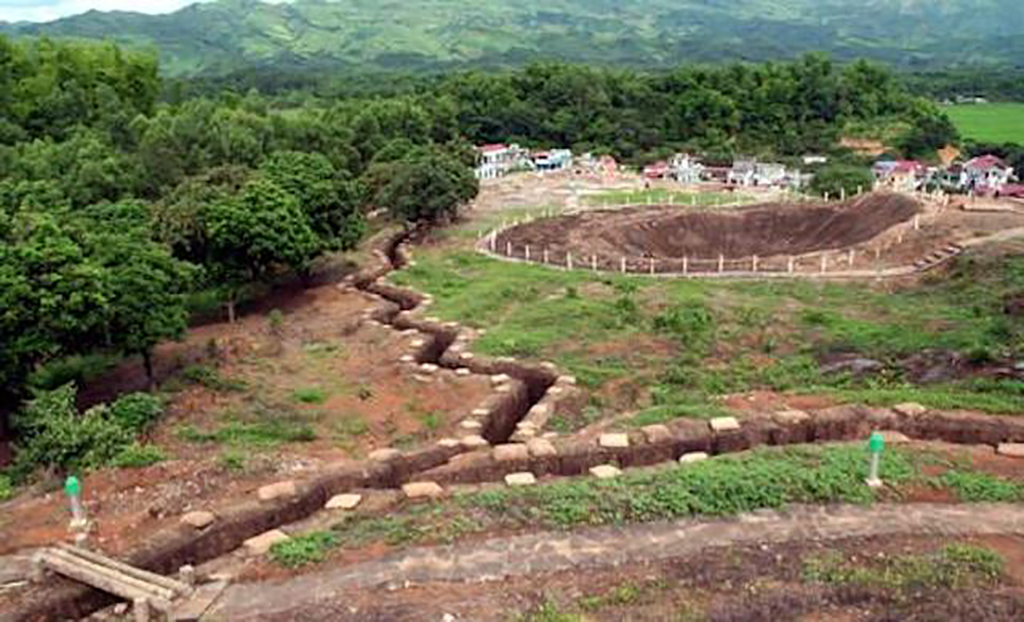
(Photo: Archive)
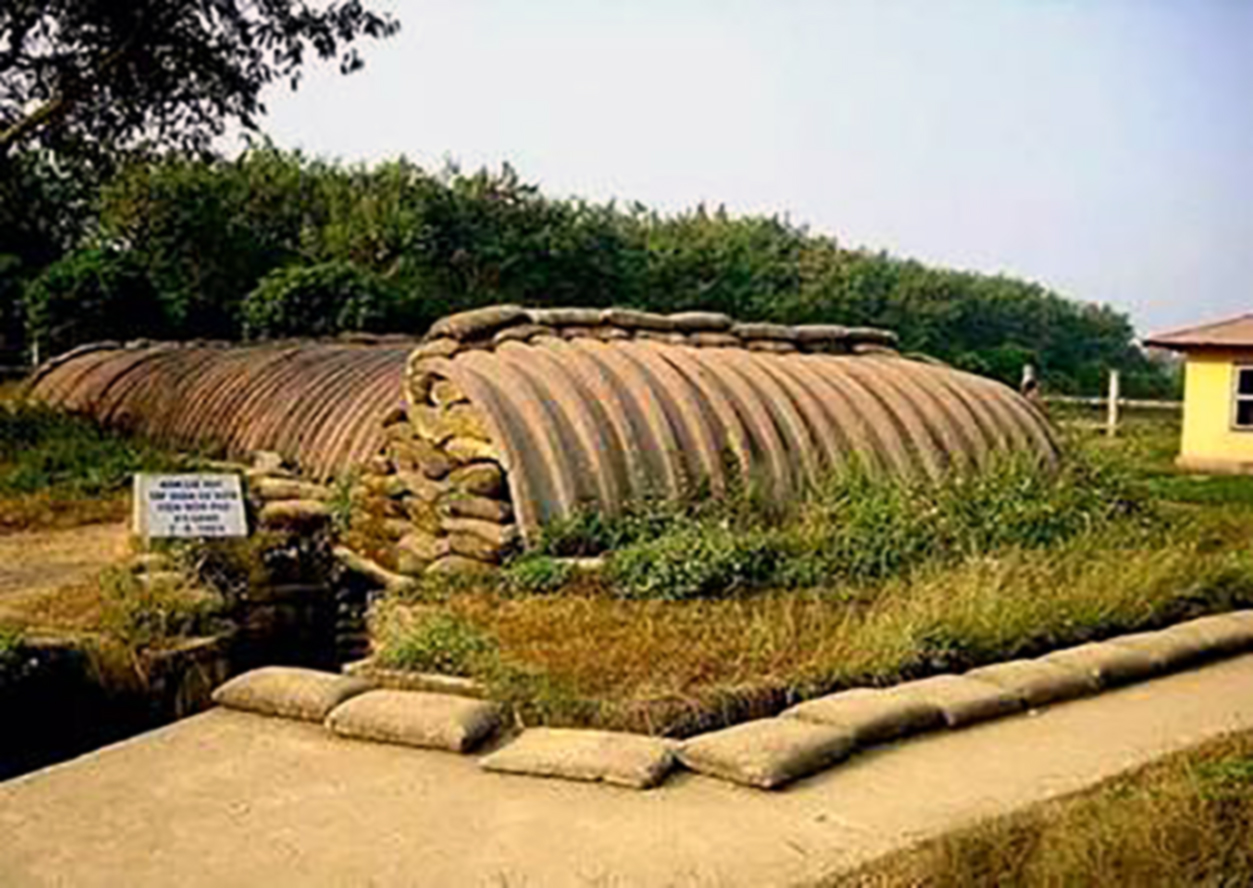
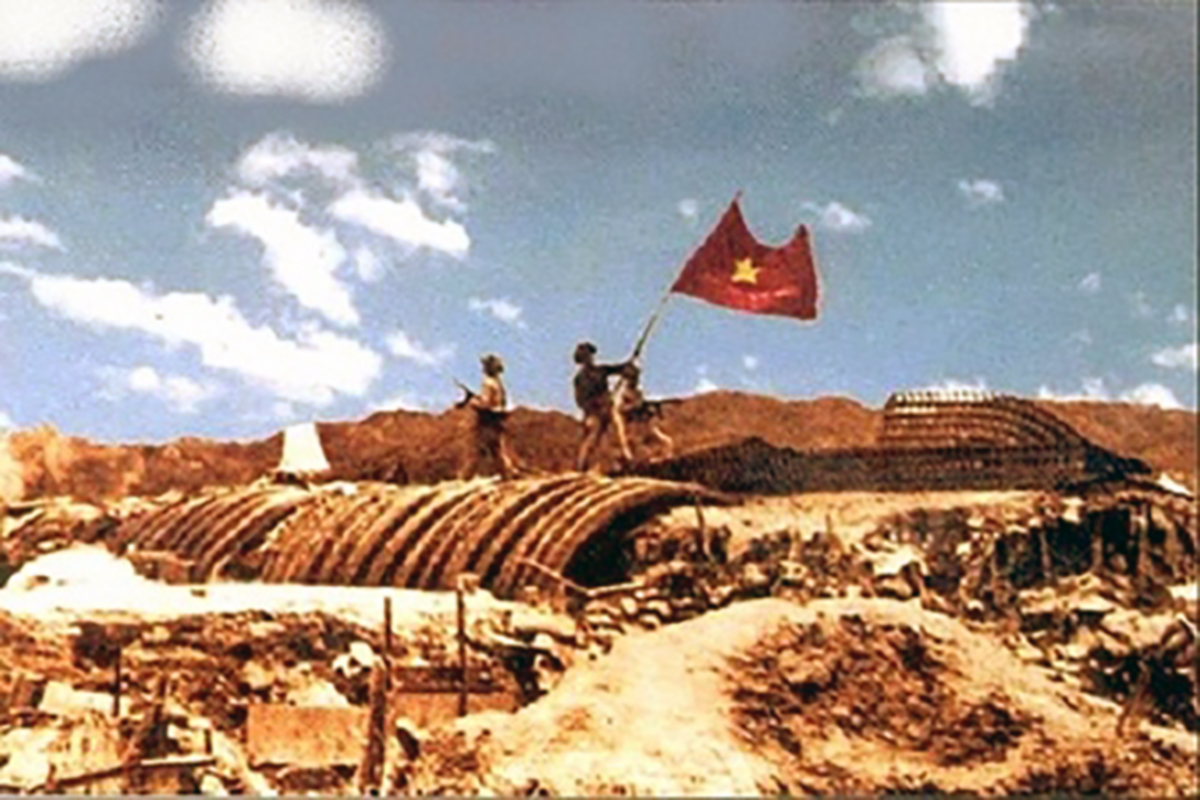
A1 Hill is one of the most important historical sites in Điện Biên Phủ. Along with Mường Thanh, Him Lam, Hồng Cúm and the Mường Phăng headquarters, it is one of the emblematic landmarks associated with the historic 1954 campaign. This hill was the scene of one of the fiercest battles, which lasted nearly 39 days and nights.
A1 Hill, known to the French as Éliane 2, was part of the network of fortified positions located east of the Mường Thanh Valley. Rising approximately 49 metres above the surrounding terrain, the hill has an oval shape, measuring about 200 metres in length and 80 metres in width. Its commanding position made it a strategic location for organising the defence of the French fortified camp.
Several other important defensive positions surrounded A1 Hill, including C1, C2, A2 and A3. These strongholds allowed French forces to provide mutual support and establish a dense network of defensive fire around the hill. To the west, positions A2 and A3 also helped protect the flanks and facilitate counterattacks.
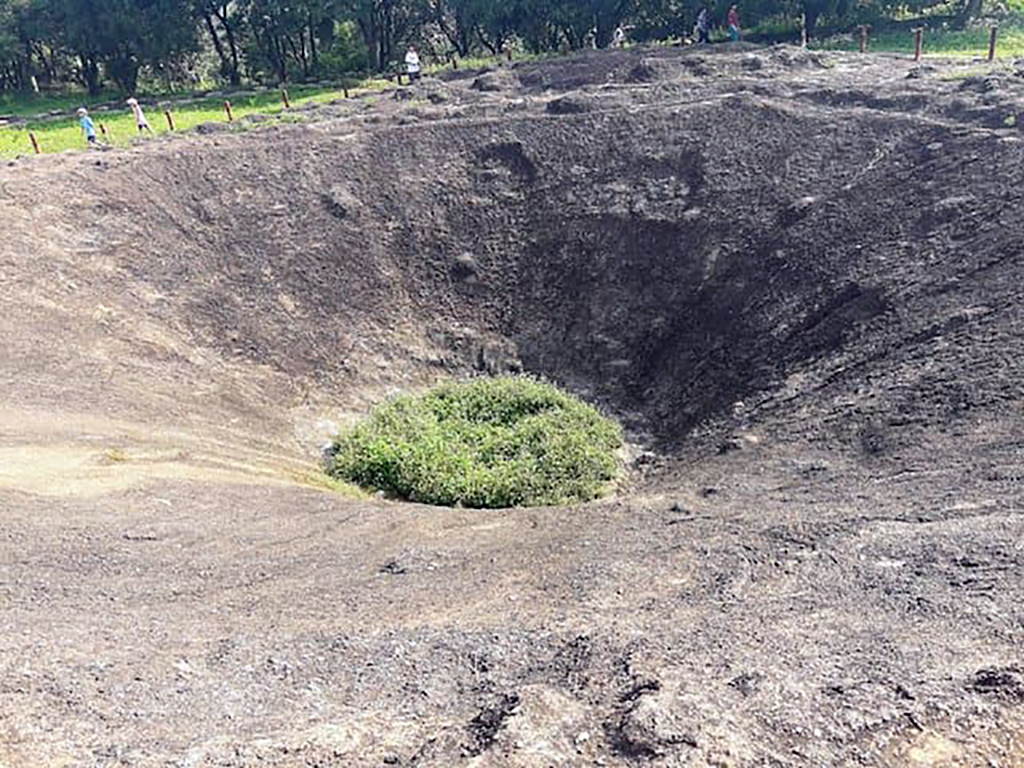
(Photo: Archive)
A1 Hill had long been a fortified position. The French had reinforced its existing defensive structures, converting some tunnels and buildings into underground shelters. A stone-built tunnel beneath the former French administrator’s residence was used as a bunker and battalion command post. Communication trenches also connected A1 to A3 and the centre of Mường Thanh, allowing troops to move more discreetly between positions.
Due to its strategic location and strong defensive system, A1 Hill was one of the most difficult positions to capture. Despite several successive attacks, the Vietnamese People’s Army initially managed to gain control of only part of the hill. On May 6, 1954, after secretly digging a tunnel and placing an explosive charge of approximately one tonne beneath the fortifications, Vietnamese forces finally succeeded in capturing the position.
The Battle of A1 Hill was one of the fiercest confrontations of the entire Điện Biên Phủ campaign, claiming the lives of more than 2,000 Vietnamese officers and soldiers. Today, the site remains an important place of remembrance, honouring the courage and sacrifices of those who fought and highlighting the historical significance of the victory at Điện Biên Phủ.