HUẾ

Huế was once the capital of Vietnam, first under the Tây Sơn dynasty and later under the Nguyễn dynasty, from 1802 to 1945. As a former imperial city, it remains one of the country’s most important cultural, historical and tourist destinations.

The city captivates visitors with its peaceful atmosphere, the gentle flow of the Perfume River and its rich heritage inherited from past dynasties. Its palaces, temples, royal tombs, pagodas and gardens continue to reflect the elegance and cultural depth of Vietnam’s former imperial capital.

(Photo: Huế Voyage)t

Huế is also renowned for its exceptional UNESCO-recognised heritage, including the Complex of Huế Monuments, Nhã Nhạc royal court music, and several valuable documents and archives from the Nguyễn dynasty. This rich cultural heritage also includes bài chòi, a traditional folk art from central Vietnam inscribed on UNESCO’s Representative List of the Intangible Cultural Heritage of Humanity.

Blending imperial history, poetry, spirituality and traditional ways of life, Huế offers travellers a gentle yet profound introduction to Vietnam’s cultural heritage. It is a destination where every palace, every pagoda and every stretch of the Perfume River seems to preserve the delicate soul of the former imperial capital.


Best Time to Visit Huế

The best time to visit Huế is from February to April, when the weather is generally at its most pleasant for sightseeing.


Places to Visit in Huế

Citadelle

(Photo: Archive)

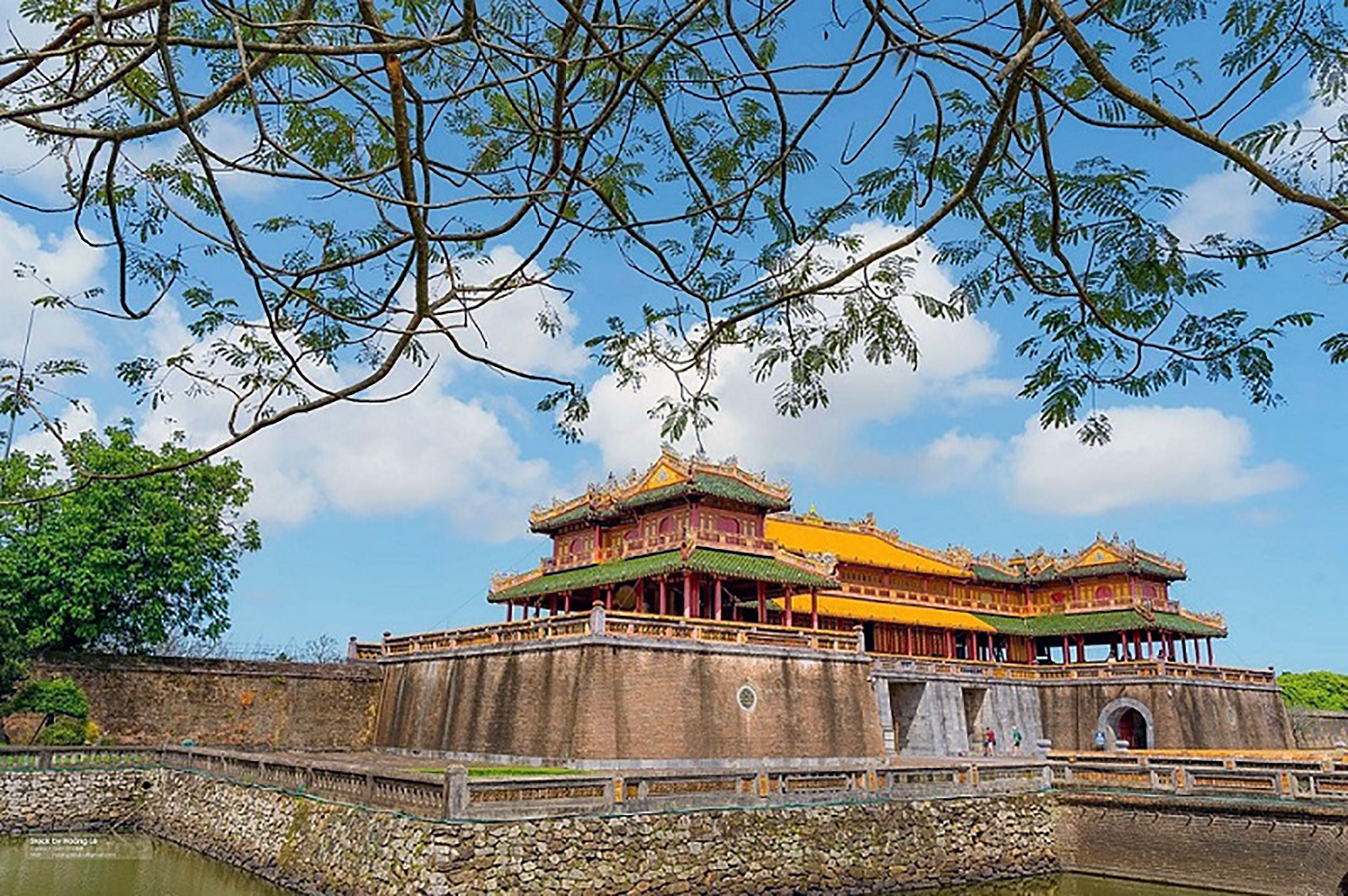
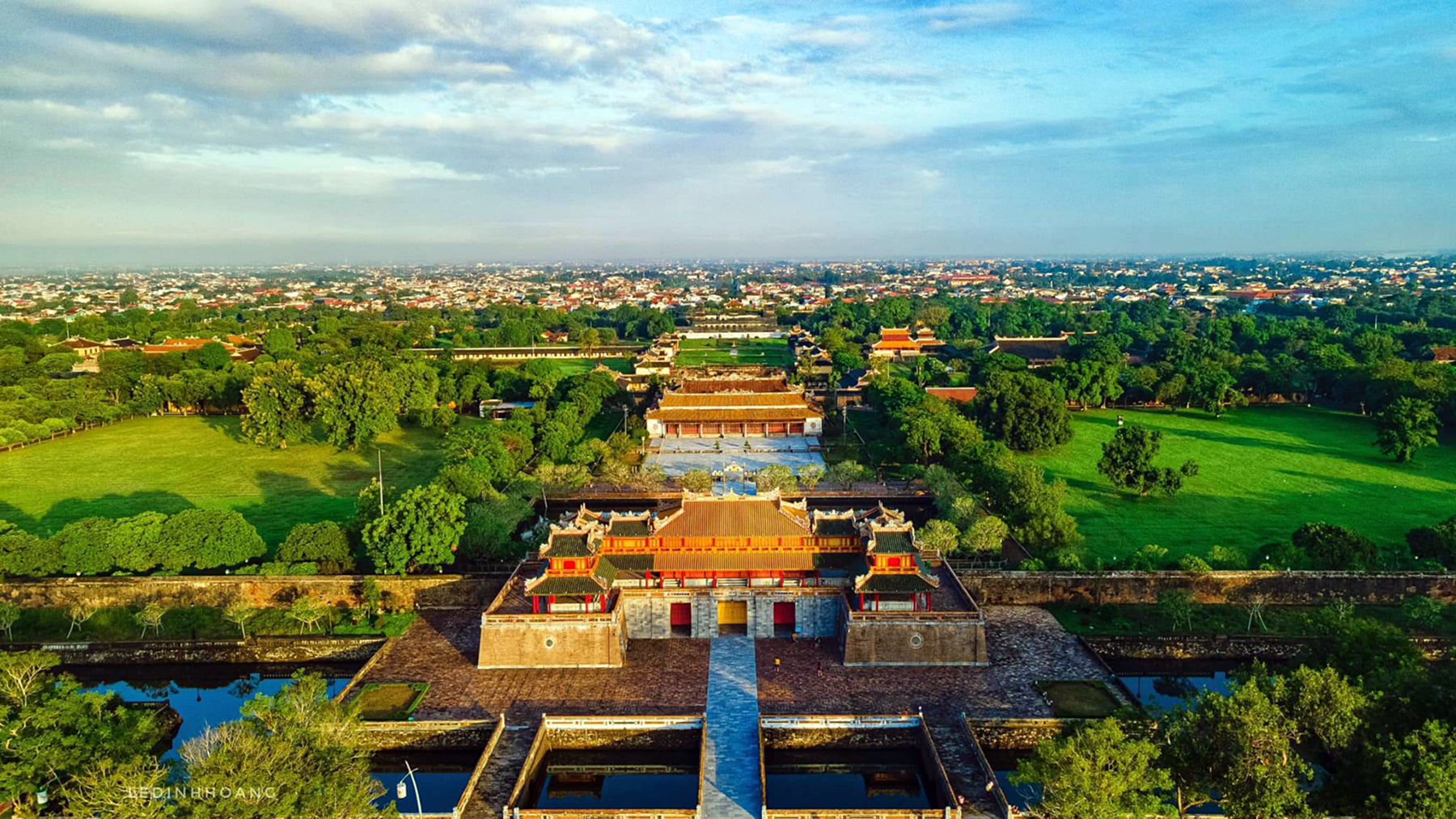
The Imperial Citadel of Huế is one of the most important historical complexes in Vietnam’s former imperial capital. Construction began in 1804 during the reign of Emperor Gia Long, and the palace complex was gradually completed by 1833 under Emperor Minh Mạng. At that time, the Imperial City contained approximately 147 buildings used for the political, administrative, religious and royal activities of the Nguyễn court.

The Huế Citadel complex consists of three main enclosed areas, arranged according to a hierarchical layout. The first, known as Kinh Thành, or the Outer Citadel, housed administrative buildings, residences and other structures essential to the functioning of the capital. Within it stood Hoàng Thành, or the Imperial City, reserved for royal palaces, dynastic temples and important court ceremonies. 

At the heart of the complex was Tử Cấm Thành, or the Forbidden Purple City, the most private area, reserved for the emperor, his family and the inner life of the royal palace.

The Imperial City has an almost square layout, surrounded by brick walls, moats and protective ponds. It has four main gates: to the south, Ngọ Môn Gate, also known as the Noon Gate, the grandest entrance to the complex; to the east, Hiển Nhơn Gate; to the west, Chương Đức Gate; and to the north, Hòa Bình Gate. The bridges and ponds surrounding this enclosure bear the name Kim Thủy, evoking the water that protects and enhances the beauty of the imperial grounds.

Despite the damage caused by time and war, the Imperial Citadel of Huế still retains a solemn and deeply poetic atmosphere. Its gates, palaces, courtyards and temples tell the story of the grandeur of the Nguyễn dynasty, offering visitors a deeper understanding of the history, architecture and delicate soul of Huế.
Thiên Mu Pagoda

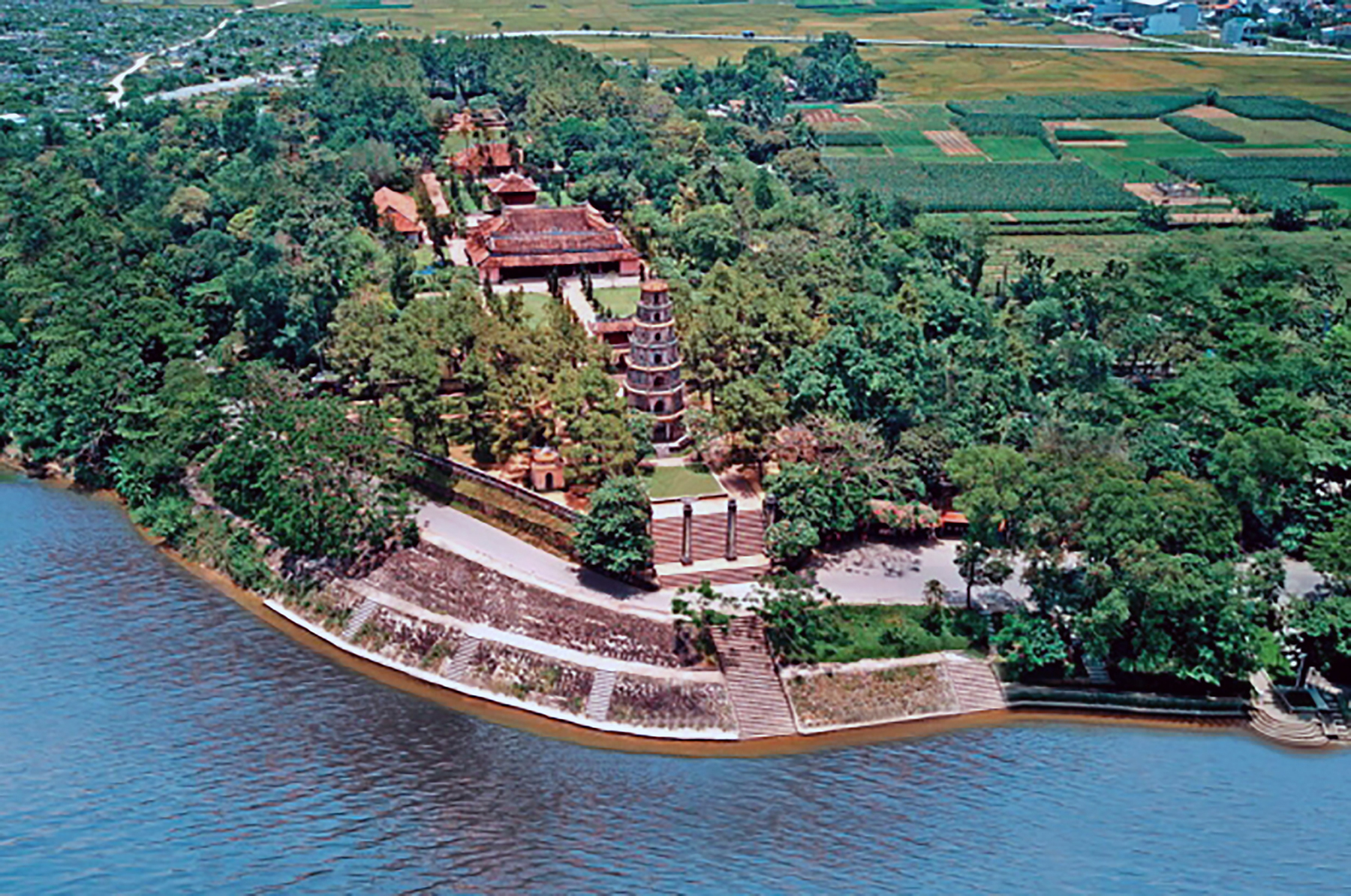
Thiên Mụ Pagoda, also known as the Pagoda of the Celestial Lady, is one of the most iconic landmarks of Huế. With more than 400 years of history, it holds an important place in the spiritual, cultural and religious life of the former imperial capital.

The pagoda was founded in 1601 by Lord Nguyễn Hoàng on the banks of the Perfume River. Over the centuries, it has witnessed many chapters of Vietnam’s history and remains one of the most visited sites in Huế today, admired for both its spiritual significance and the serene beauty of its natural surroundings.

(Photo: Archive)

Over the centuries, the pagoda was restored and embellished several times. In 1665, Lord Nguyễn Phúc Tần ordered its renovation. Later, in 1710, Lord Nguyễn Phúc Chu commissioned the casting of the great Đại Hồng Chung bell, measuring 2.5 metres in height, 1.4 metres in diameter and weighing more than 2 tonnes. In 1715, he also had a large stone stele erected on the back of a turtle, a symbol of longevity and wisdom.

With its iconic Phước Duyên Tower, peaceful gardens, ancient pine trees and beautiful views over the Perfume River, Thiên Mụ Pagoda offers visitors a serene and deeply poetic atmosphere. More than just a religious monument, it embodies the timeless charm of Huế, where spirituality, history and contemplative beauty come together.

Bach Mã Village

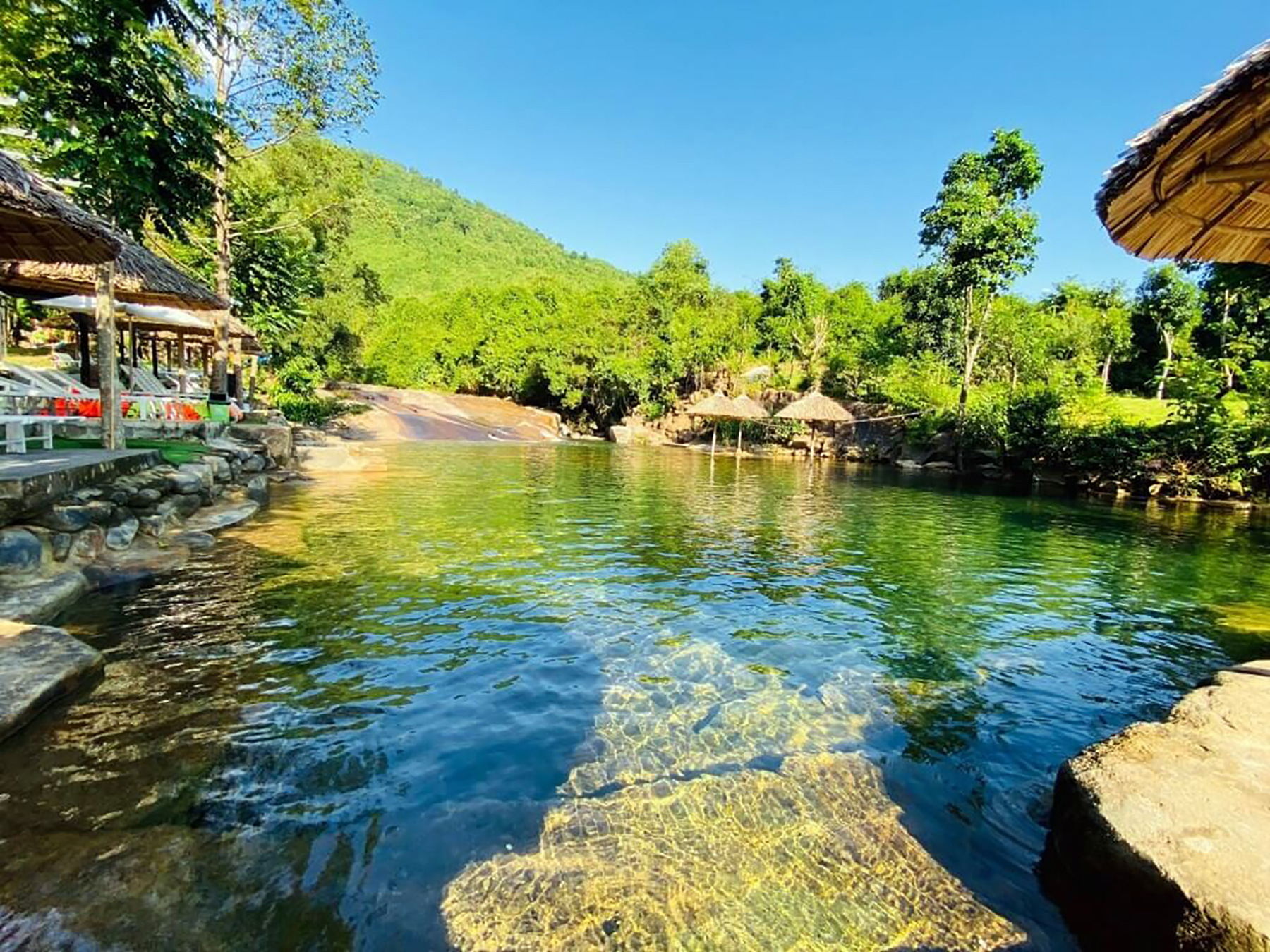
Bạch Mã Village covers approximately 3 hectares in a lush natural setting near Bạch Mã National Park. Nestled among mountains, forests and streams, this peaceful retreat offers a welcome escape from the noise and bustle of the city.

Here, visitors can enjoy the refreshing beauty of nature, listening to the gentle murmur of streams, birdsong, the whisper of the wind and the soothing sounds of waterfalls. With its tranquil atmosphere and refreshing natural surroundings, Bạch Mã Village is an ideal destination for relaxing and spending quality time with family or friends.

(Photo: Archive)

The site is also popular for its natural swimming pools, suitable for visitors of different ages, as well as its uniquely designed recreational areas. Its luxury camping facilities, inspired by the world of Hobbits, blend harmoniously into a landscape of lush green lawns, small gardens, farms and mushroom-growing areas.

With its refreshing atmosphere, beautiful natural surroundings and peaceful setting, Bạch Mã Village offers a delightful escape for travellers wishing to reconnect with nature and enjoy a relaxing break near Huế.

Nhi Hô Waterfall

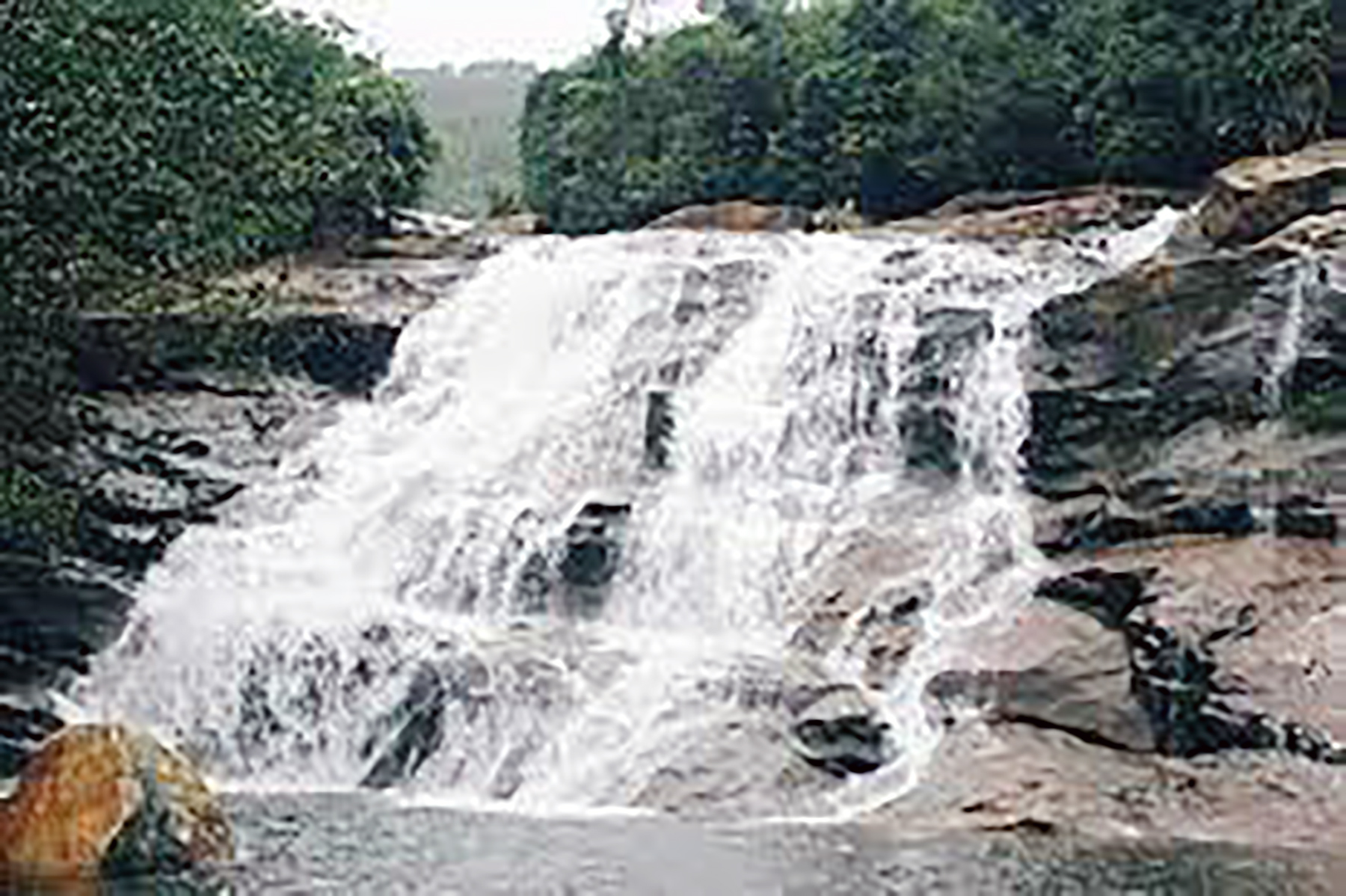
Nhị Hồ Waterfall is nestled in the heart of a wild and unspoilt mountain landscape. Here, nature creates a picturesque setting of rocky formations, lush greenery and crystal-clear waters flowing down from the surrounding mountains.

Standing over 7 metres high, the waterfall is fed by cool mountain streams. Throughout the year, water cascades over the rocks, creating beautiful splashes of white foam and a refreshing atmosphere of peace and tranquillity. Around the waterfall, colourful wildflowers in shades of purple, red and yellow add a romantic and poetic touch to the scenery.

(Photo: Archive)

With its gentle, relatively gradual slope, Nhị Hồ Waterfall is a pleasant place to explore. Visitors can stroll around the area, carefully climb over the rocks or take a refreshing swim in the cool water.

Nhị Hồ features two natural pools with crystal-clear water, each measuring approximately 30 by 30 metres. The first pool, about 1.5 metres deep, is easier to access, while the second is deeper, reaching approximately 2.5 metres. Surrounded by peaceful natural scenery, the waterfall is a lovely place to cool off, unwind and enjoy a tranquil escape near Huế.

Chuôn Lagoon

(Photo: Collectée)

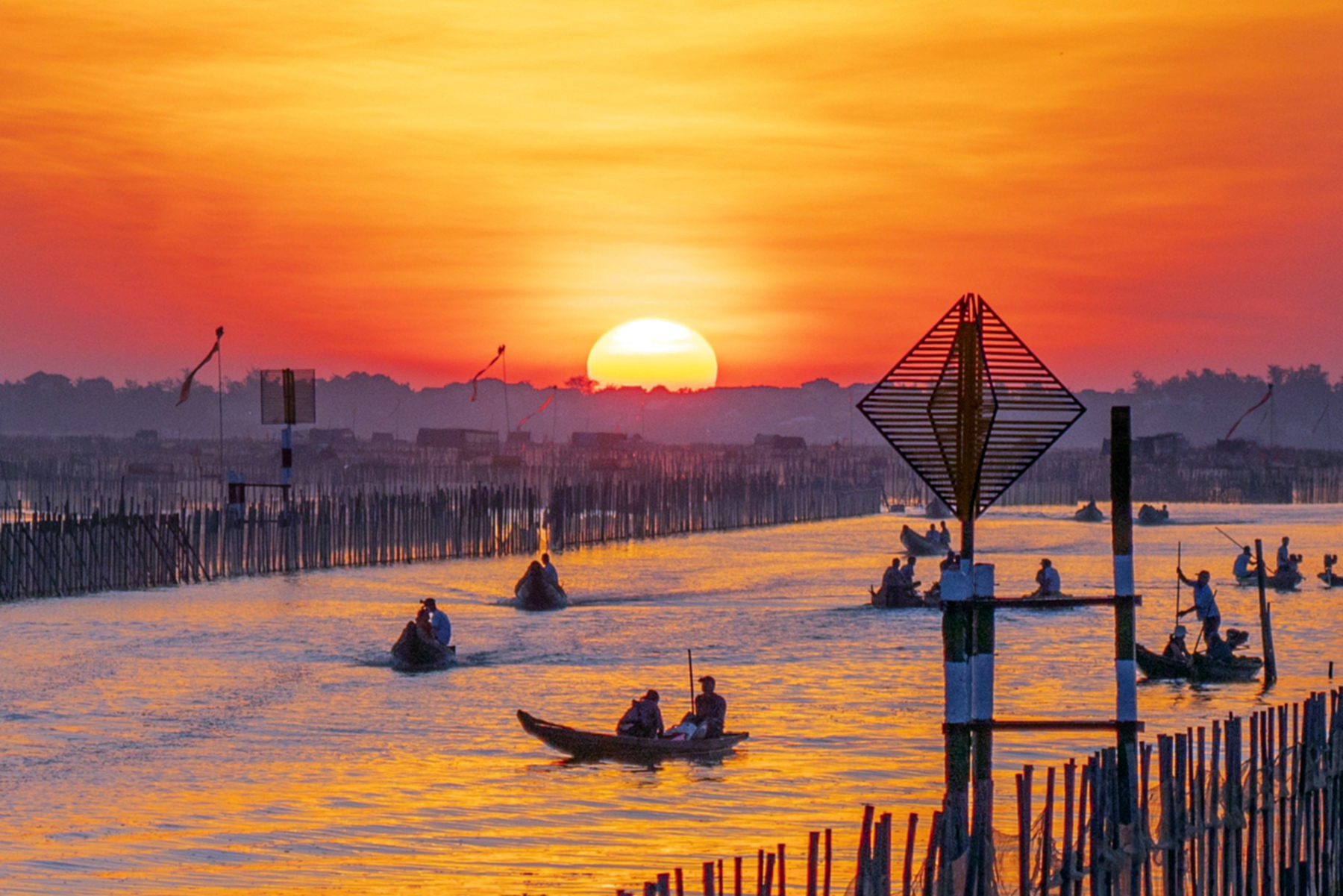
Chuồn Lagoon is closely connected to the daily lives of local people. Thanks to its geographical location, families living around the lagoon have long depended on fishing, particularly catching shrimp and fish, for their livelihoods. Here, boats are more than just a means of transport; they are an essential part of everyday work, the surrounding landscape and the rhythm of local life.

From an early age, children become familiar with these small boats, sometimes accompanying their parents or simply watching the fishing activities on the water. This simple, natural connection with the lagoon gives the area an authentic atmosphere, deeply rooted in the rural traditions and way of life of Huế.

Chuồn Lagoon captivates visitors with its calm, tranquil waters, fishermen’s houses, fishing nets, small boats and ever-changing reflections throughout the day. Its beauty is particularly enchanting at sunrise and sunset, when golden light falls gently across the water, transforming the landscape into a peaceful and poetic scene.

With its authentic local life, peaceful waters and soft, delicate light, Chuồn Lagoon offers travellers a wonderful opportunity to experience the tranquil charm and traditional way of life of Huế’s lagoon villages.

Tu’s Duc Tomb – Khiêm Lang

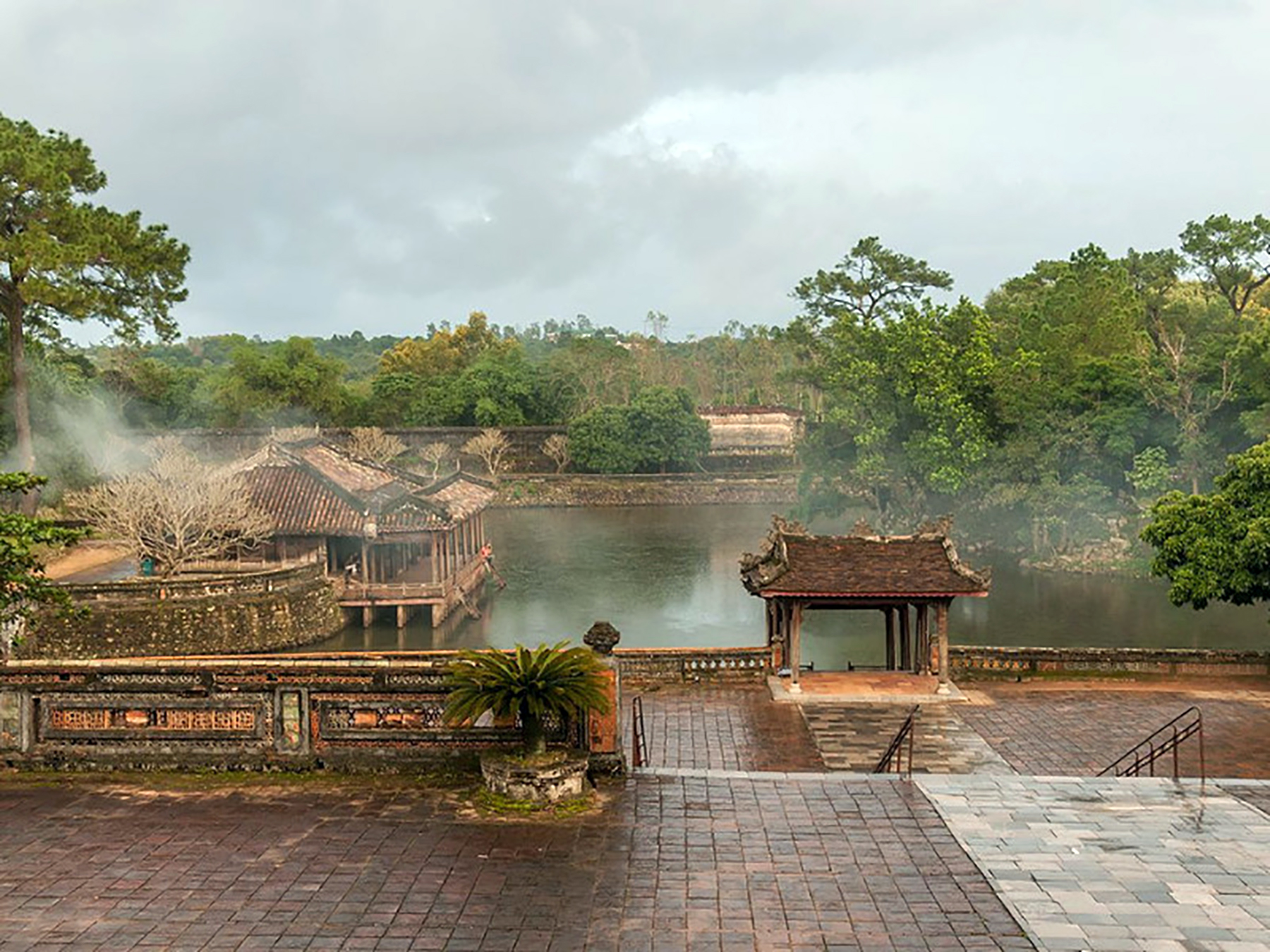
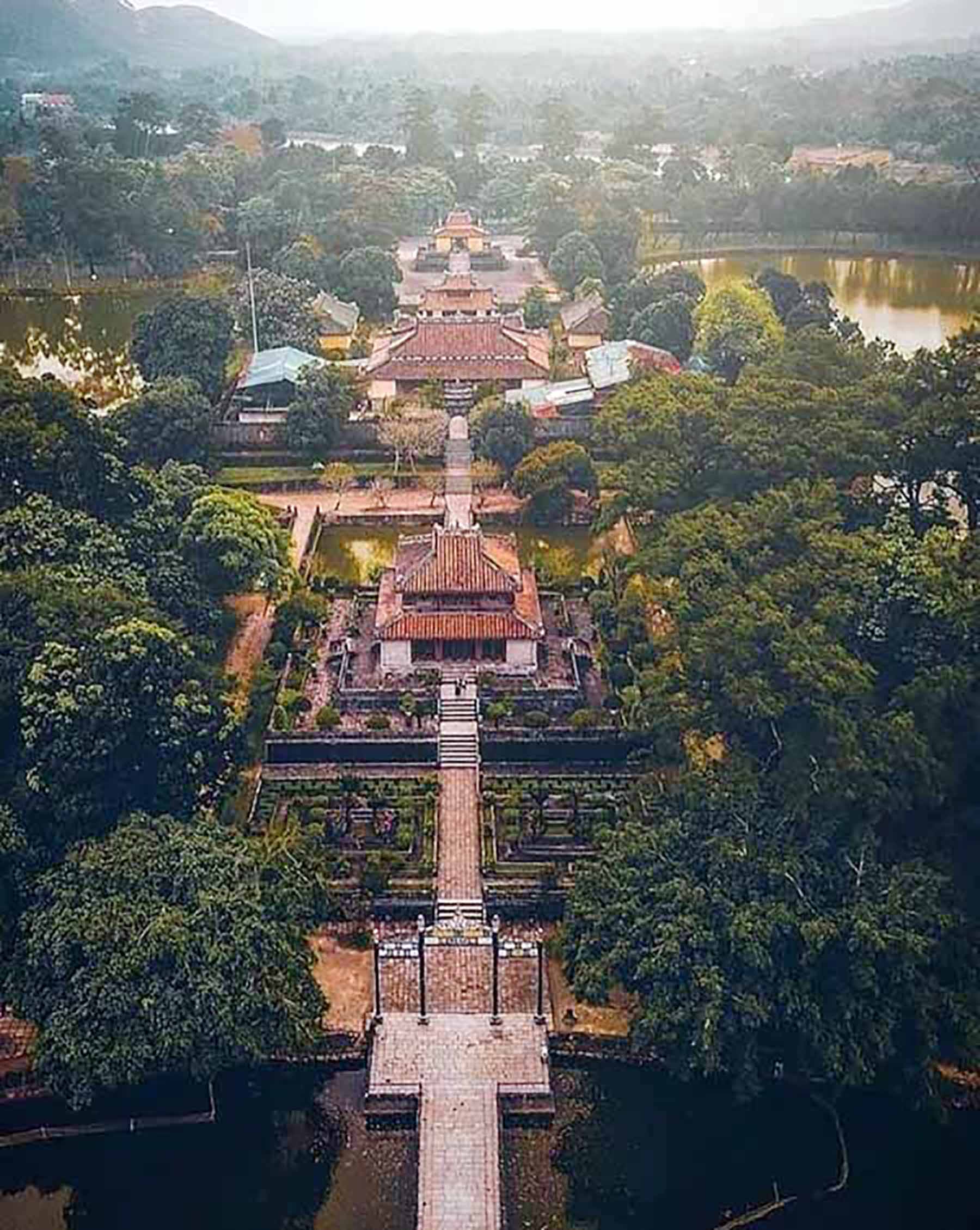
The Tomb of Emperor Tự Đức is often considered one of the finest examples of royal funerary architecture from the Nguyễn dynasty. It is the resting place of Tự Đức, the longest-reigning emperor of the dynasty.

His reign unfolded during a particularly difficult period, marked by political tensions, conflicts within the royal court and growing pressure from foreign powers. Seeking refuge from these troubles, the emperor had his tomb complex built not only as a burial site but also as a second royal residence, where he could retreat, compose poetry, read and find moments of peace.

The architecture of Tự Đức’s Tomb is distinguished by its remarkable harmony with nature. Its buildings, pavilions, courtyards, lakes and shaded pathways form an elegant, melancholic and deeply poetic ensemble. Nearly fifty structures were built within the complex, divided between the palace area and the royal burial grounds.

Parmi les ouvrages les plus remarquables figurent la porte Vũ Khiêm, la porte Khiêm Cung et le palais Lương Khiêm. La plupart des noms des bâtiments comportent le mot « Khiêm », qui évoque la modestie, le respect et la retenue, des vertus particulièrement appréciées dans la pensée confucéenne.

Plus qu’un simple tombeau royal, le tombeau de Tự Đức reflète l’âme sensible d’un empereur lettré. C’est un lieu où l’architecture, la poésie, la nature et la mémoire se rencontrent dans une atmosphère calme et pleine d’émotion.

(Photo: Archive)

Khai Dinh Tomb – Ung Lang

The Tomb of Emperor Khải Định is the final resting place of the twelfth emperor of the Nguyễn dynasty. Located on a hillside near Huế, this royal mausoleum stands out for its strikingly different architectural style compared with the tombs of earlier emperors.

Compared with the tombs of his predecessors, Khải Định’s Tomb is considerably smaller, measuring approximately 117 metres in length and 48.5 metres in width. Nevertheless, its construction was exceptionally complex, costly and time-consuming due to the richness of its materials and the intricate details of its decoration.

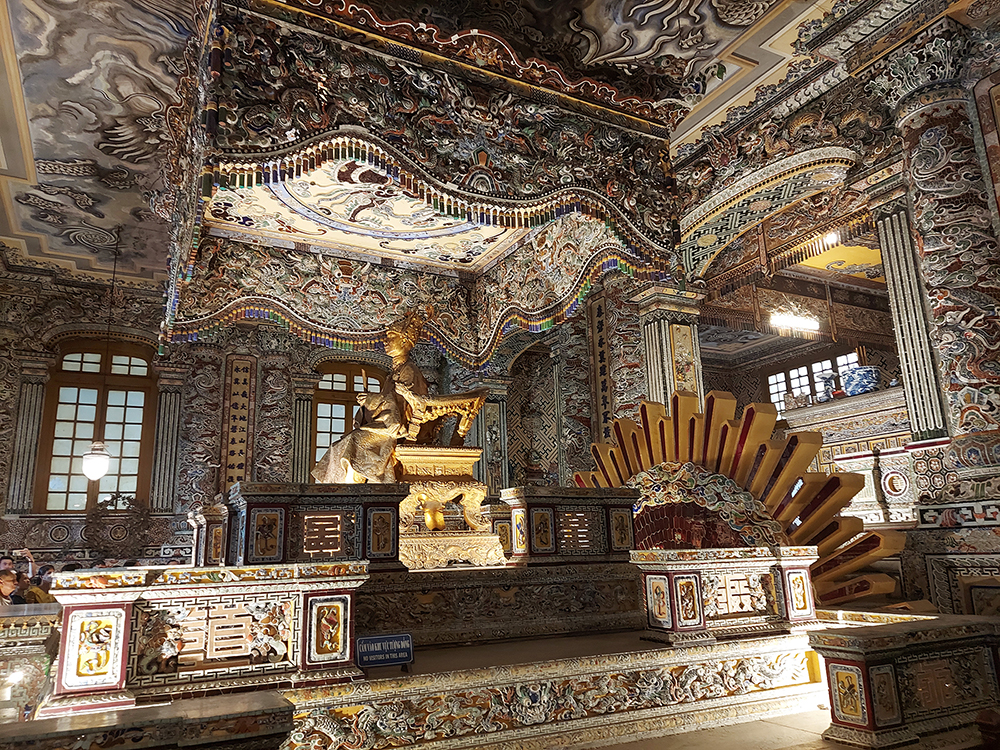
To create his final resting place, Emperor Khải Định commissioned numerous skilled artisans from Huế and other regions of Vietnam. Building materials were also imported from abroad, including iron, steel, cement and granite from France, as well as porcelain and coloured glass from China and Japan. These materials helped create a unique decorative style, quite unlike the traditional architecture of earlier Nguyễn royal tombs.

(Photo: Huế Voyage)

The mausoleum is laid out as a rectangular complex rising gradually over 127 steps. Its architecture blends several influences, including Vietnamese, Chinese, Buddhist, Hindu, Romanesque and Gothic styles. This remarkable combination gives the tomb a solemn, distinctive and spectacular character.

Khải Định’s Tomb is often regarded as a unique masterpiece of royal architecture in Huế. It reflects the meeting of Eastern and Western influences during a period of transition in Vietnamese history, as well as the distinctive personality of Emperor Khải Định, who was drawn to innovation, splendour and foreign artistic influences.

With its majestic stairways, imposing sculptures and exquisite mosaics made from porcelain and coloured glass, Khải Định’s Tomb offers visitors a truly distinctive visual experience, setting it apart from the other imperial mausoleums of Huế.

Minh Mang’s Tomb – Hiêu Lang

The Tomb of Emperor Minh Mạng, also known as Hiếu Lăng, is located approximately 12 km from the centre of Huế. Construction began in 1840 during the reign of Emperor Minh Mạng and was completed in 1843 under his successor, Emperor Thiệu Trị.

According to historical accounts, Emperor Minh Mạng spent many years searching for the ideal location for his tomb. The site was carefully chosen for its harmonious natural setting, surrounded by hills, lakes, pine trees and peaceful landscapes.

Photo: Archive)

Minh Mạng’s Tomb is often regarded as one of the most majestic and representative examples of Nguyễn dynasty funerary architecture. The complex comprises more than forty structures of various sizes, arranged along a carefully planned symmetrical axis.

The tomb is distinguished by its harmonious balance of architecture, nature and Confucian philosophy. Its gates, pavilions, courtyards, temples, bridges and lakes are thoughtfully arranged, creating an atmosphere that is both solemn and peaceful, with a deeply poetic charm.

More than just an imperial resting place, Minh Mạng’s Tomb reflects the values of an emperor deeply devoted to order, morality and the grandeur of his dynasty. For visitors, it is one of the most impressive historical sites in Huế, where the elegance of royal architecture blends beautifully with the serenity of nature.

Mineral Mud Bath

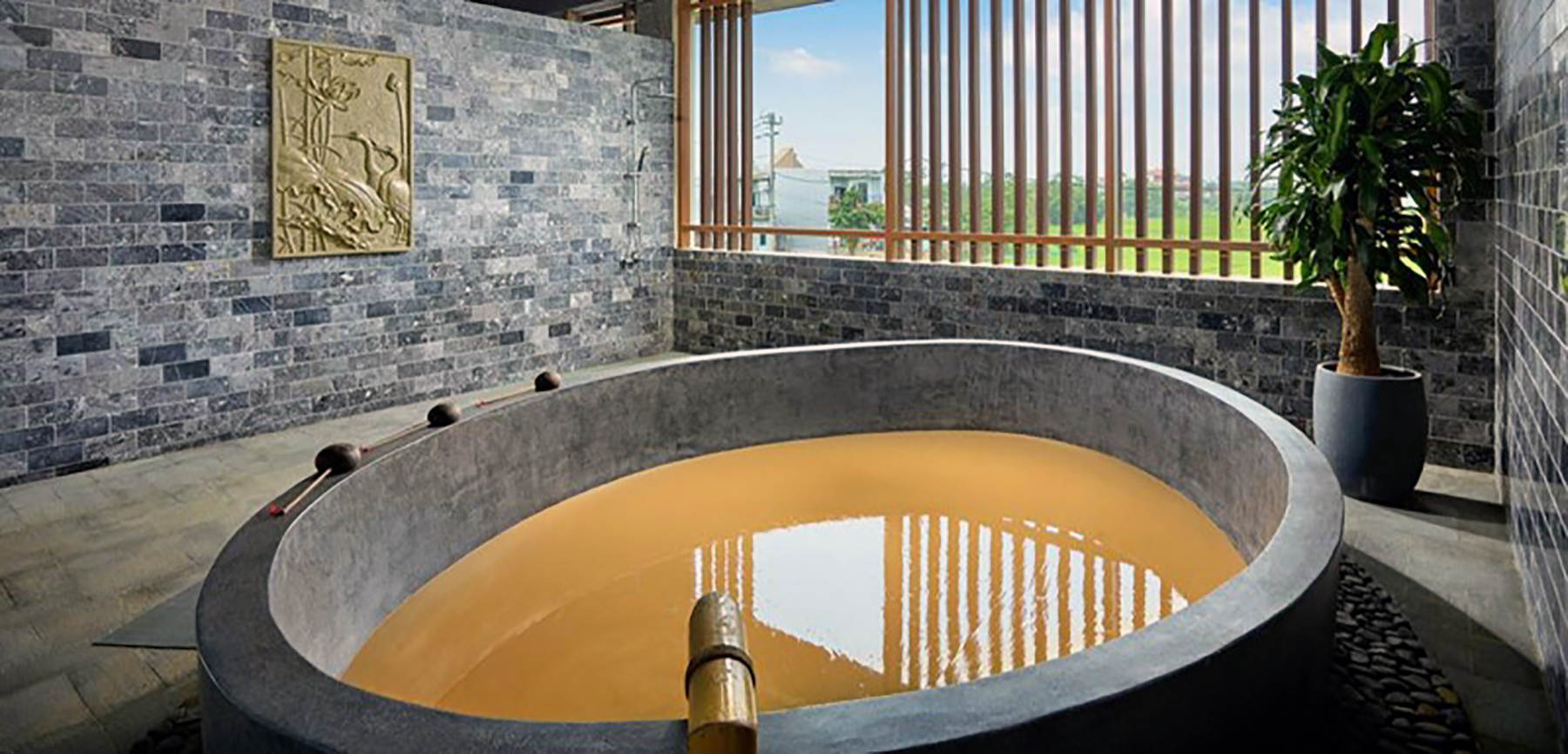
Mineral mud is extracted from deep beneath the earth’s surface and forms naturally over time. Rich in organic and inorganic minerals, it is widely appreciated for its relaxing properties, skincare benefits and contribution to overall well-being. Before use, the mud is carefully processed using modern equipment and undergoes quality checks to ensure a pleasant and safe experience for visitors.

A mineral mud bath offers a wonderful opportunity to unwind, release tension and enjoy a peaceful moment for both body and mind. The gentle warmth, soothing texture of the mud and tranquil surroundings create a deeply relaxing experience, ideal after several days of sightseeing and exploring.

(Photo: Archive)

The natural Mỹ An hot spring is known for its rich mineral content, particularly sulphur. Its warm waters are used for relaxation baths, body treatments and recovery from fatigue. The site also offers Japanese-inspired onsen baths and ganban stone saunas, providing visitors with a peaceful wellness experience in a calm and refined atmosphere.

Combining mineral mud baths, natural hot spring waters and wellness facilities, Mỹ An is a wonderful place to unwind near Huế and enjoy a soothing, rejuvenating escape.