
DA NANG

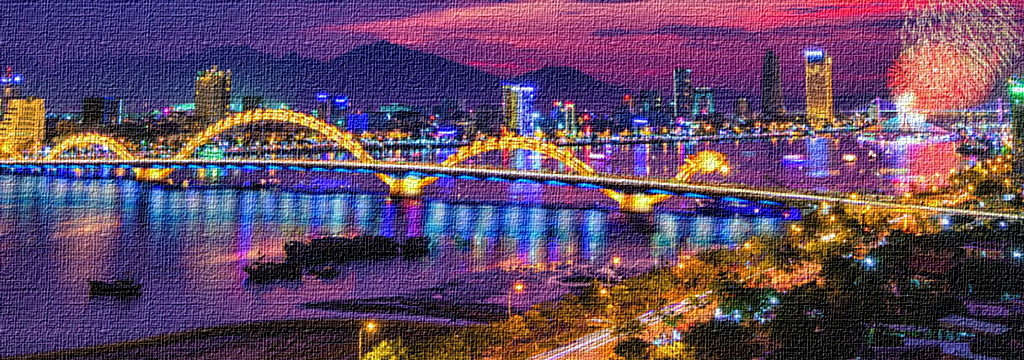
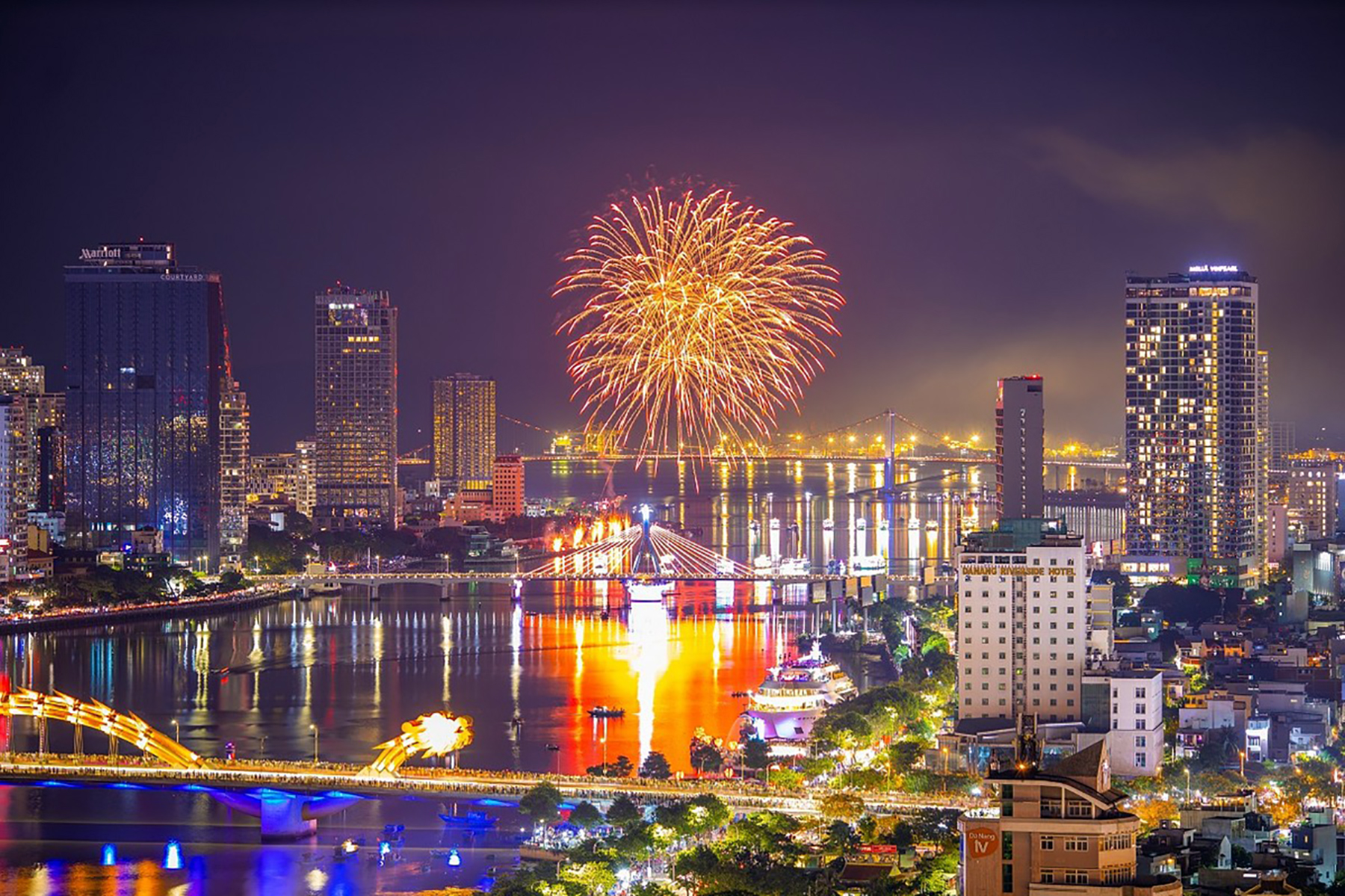
Đà Nẵng is now one of the most dynamic cities in central Vietnam. Located at the heart of the Central Key Economic Region, it has developed a reputation as a modern, clean, welcoming and highly liveable city.

Over the years, Đà Nẵng has introduced several social programmes aimed at improving the quality of life of its residents. Among them is the “City of Five No’s” programme, designed to tackle poverty, illiteracy, begging, drug addiction and crime. This was followed by the “City of Three Haves” initiative, focusing on housing, employment and a cultured, civilised way of life.

In 2016, the city continued these efforts with the “City of Four

(Photo: Archive)

Safeties” programme, addressing public security, road safety, food safety and social welfare.

Beyond its urban development, Đà Nẵng also attracts visitors with its open, cosmopolitan atmosphere. In the Mỹ An neighbourhood, close to the sea and Mỹ Khê Beach, the An Thượng area has become a lively destination popular with both international travellers and local residents. It is sometimes referred to as Đà Nẵng’s international quarter.

An Thượng is known for its wide variety of restaurants, cafés, bars, hotels, spas and tourist services. Visitors can enjoy Vietnamese specialities such as bánh mì, phở, mì Quảng and bún chả, alongside familiar Western dishes including burgers, salads and international breakfasts.

As evening falls, the neighbourhood comes alive with colourful lights, bustling terraces, conversations in different languages and a relaxed atmosphere. Blending modern city life, seaside charm and a vibrant urban lifestyle, Đà Nẵng offers visitors a dynamic, comfortable and enjoyable experience.


Best Time to Visit Đà Nẵng

Đà Nẵng can be visited all year round, with each season offering its own unique charm.


Places to Visit in Đà Nẵng

Da Nang Museum of Cham Sculpture
(Photo: Huế Archive)

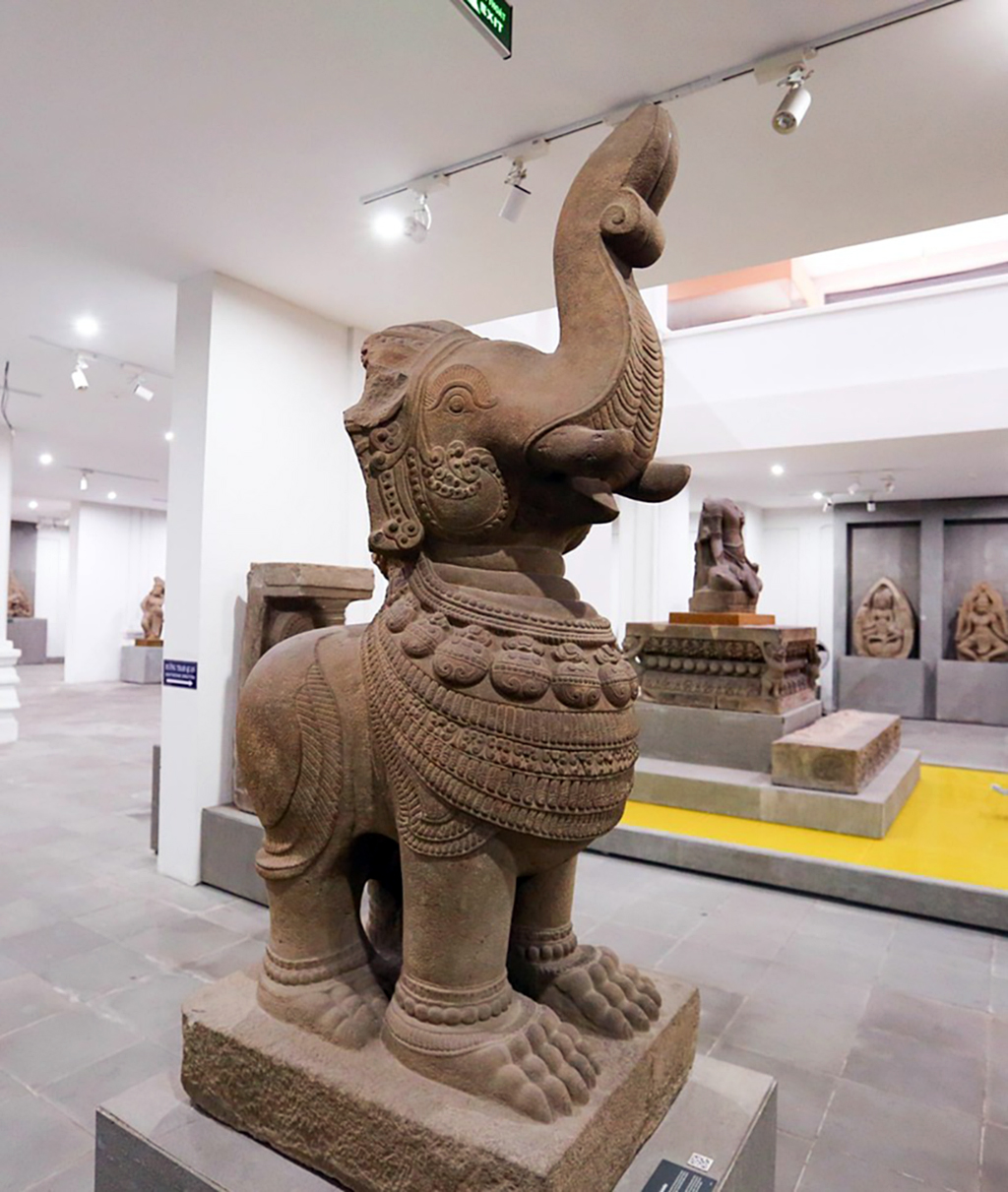
The Đà Nẵng Museum of Cham Sculpture is one of Vietnam’s most important museums dedicated to Cham art and culture. Its establishment was first proposed in 1902 by the French School of the Far East (École française d’Extrême-Orient), at a time when Đà Nẵng was still known as Tourane.

The aim was to collect, preserve and display Cham antiquities discovered in different regions of central Vietnam. Archaeologist Henri Parmentier played a key role in this project. Passionate about Cham art, he actively contributed to the museum’s design and the development of its earliest collections.

Construction of the museum building began in 1915, and it was officially inaugurated in 1919. Before then, the site was already known as the “Sculpture Garden”, as several Cham artworks had been preserved and displayed outdoors. When the museum first opened, it housed approximately 160 ancient sculptures.

Over the years, the museum’s collection continued to grow thanks to new archaeological discoveries, particularly at Trà Kiệu, Mỹ Sơn and Tháp Mẫm. In 1927, architect J. Y. Claeys proposed an expansion project to accommodate these additional artefacts. The work was completed in 1936, and the museum was officially reopened under the name Henri Parmentier Museum, in honour of the man who had contributed so much to its establishment.

Today, the Đà Nẵng Museum of Cham Sculpture offers visitors a deeper understanding of the rich artistic heritage of the Champa Kingdom. Through its statues, bas-reliefs, depictions of deities, decorative motifs and architectural fragments, the museum provides a fascinating insight into the history, spirituality and refined artistic traditions of this ancient civilisation in central Vietnam.
 

Marble Mountains

The Marble Mountains, also known as Ngũ Hành Sơn or the Mountains of the Five Elements, are one of the most famous attractions in Đà Nẵng. Located not far from the coast, this remarkable complex consists of limestone and marble hills rising from a landscape that blends natural beauty, spirituality and poetic charm.

The name Ngũ Hành Sơn refers to the five elements of Eastern philosophy: wood, water, earth, metal and fire. The complex includes Mộc Sơn, Thủy Sơn, Thổ Sơn, Kim Sơn and Hỏa Sơn. The latter consists of two peaks, representing yin fire and yang fire.

Among these mountains, Thủy Sơn is the largest, highest and most visited. It is home to several ancient pagodas, shrines and natural caves, making it a fascinating destination for exploring the region’s cultural heritage, spiritual traditions and beautiful landscapes.

Linh Ứng Pagoda, nearly 200 years old, is one of the sacred sites on Thủy Sơn Mountain. Nestled in peaceful surroundings, it impresses visitors with its statues, towers and serene atmosphere. Tam Thai Pagoda, meanwhile, has a history spanning more than 400 years and reflects the region’s long-standing Buddhist traditions.

The Marble Mountains are also famous for their mysterious caves. Âm

(Photo: Archive)

Phủ Cave, also known as Hell Cave, is particularly impressive for its symbolic atmosphere. Inspired by traditional folk beliefs, it represents the journey between the earthly world, hell and heaven.

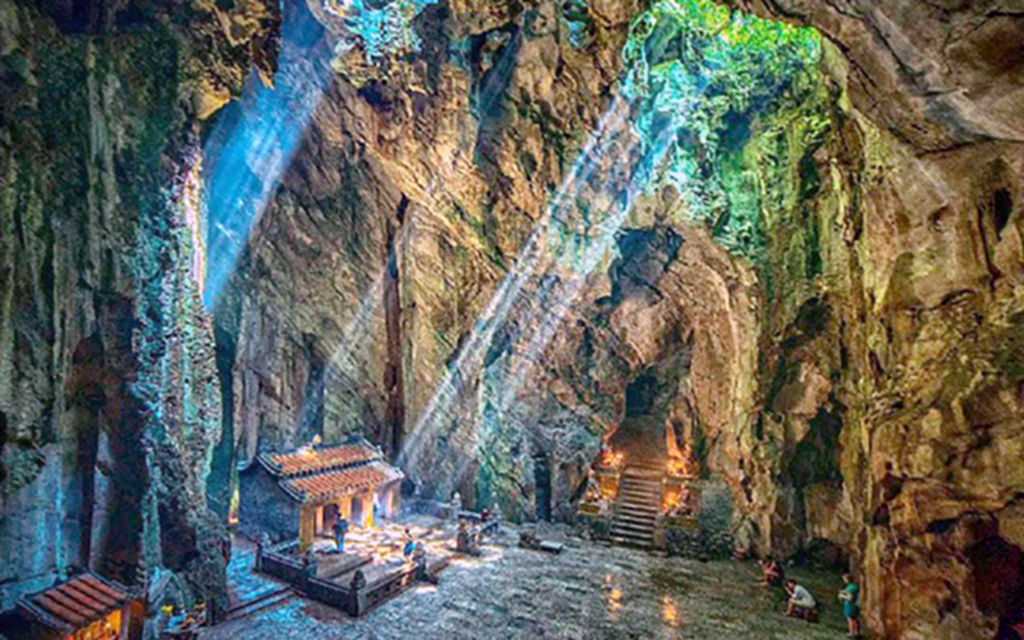
Huyền Không Cave offers a completely different atmosphere. Its vast, naturally illuminated interior features openings in the rock that allow sunlight to filter through. The rays of light streaming down into the cave create a mysterious, almost sacred setting, where silence, cool air and natural beauty come together.

With their ancient pagodas, legendary caves and stunning sea views, the Marble Mountains offer visitors a wonderful opportunity to experience the harmony between nature, spirituality and Vietnamese culture.