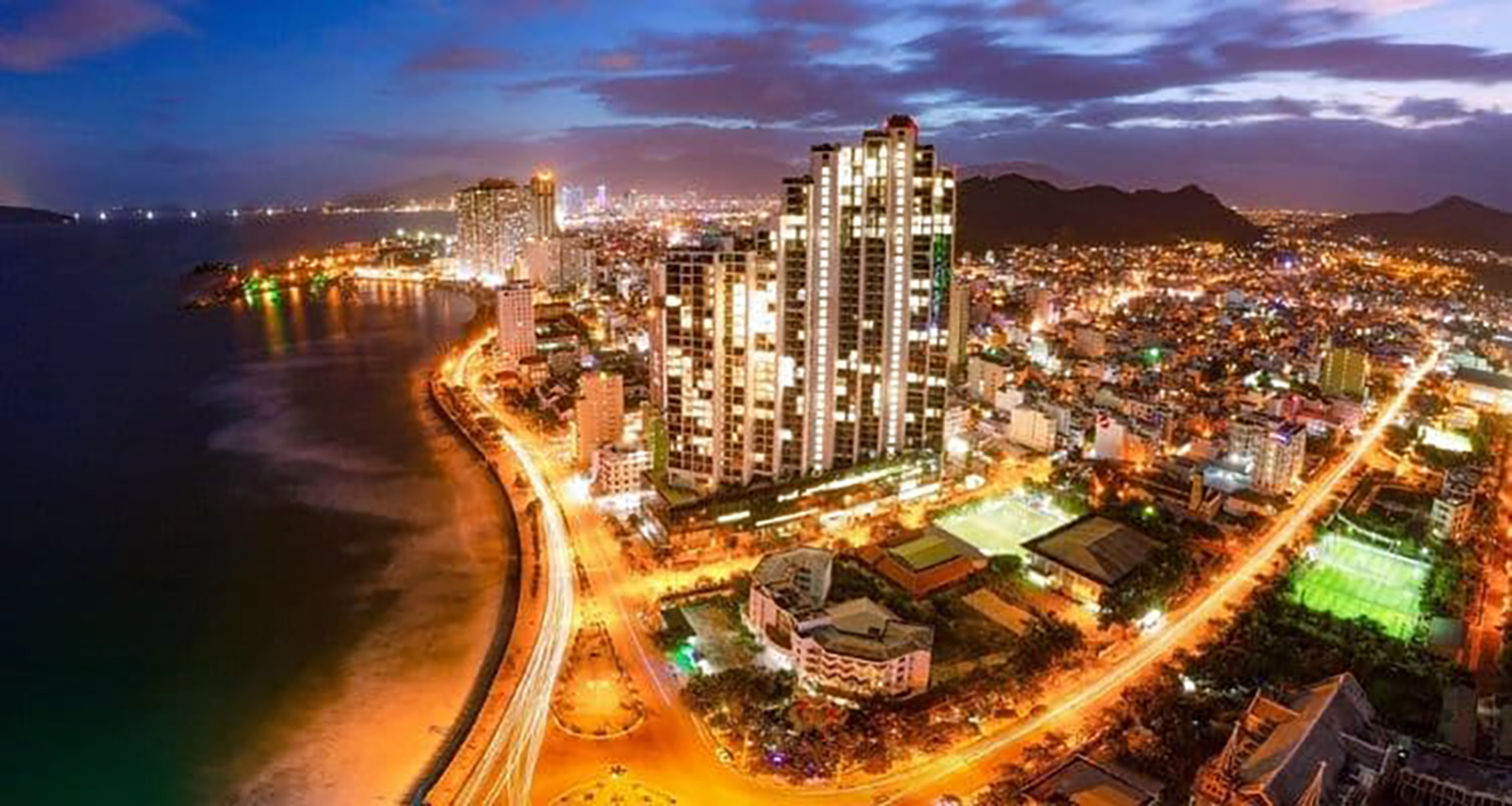
NHA TRANG

Once part of the ancient Champa Kingdom, Nha Trang still preserves several historical remains of this remarkable civilisation. Thanks to its beautiful landscapes, rich natural heritage and pleasant climate, the city is often affectionately known as the “Pearl of the East Sea” or the “Green Pearl”.

Scientific research began to develop in Nha Trang during the French colonial period. Two important institutions were established here: the Pasteur Institute of Nha Trang, founded in 1891 and dedicated particularly to hygiene and epidemiology, and the Indochina Fisheries Service, established in 1922, which later became the foundation of today’s Nha Trang Institute of Oceanography.

(Photo: Archive)

Best Time to Visit Nha Trang

The best time to visit Nha Trang is from March to September, when the weather is generally at its most pleasant for sightseeing and exploring the area.


Places to Visit in Nha Trang

Hòn Mun Island

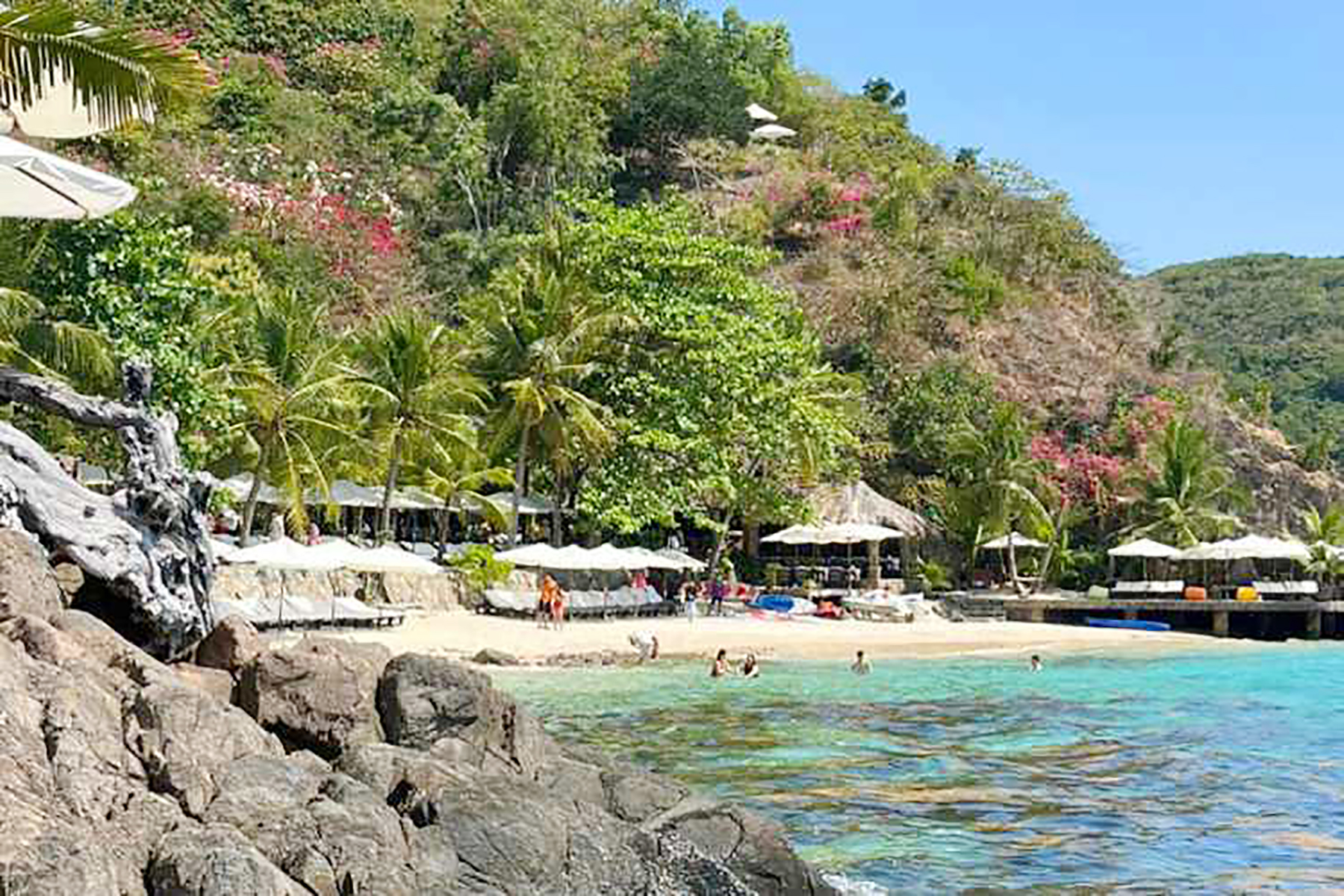
Hòn Mun Island captivates visitors with its white sandy beaches, crystal-clear blue waters and seabirds nesting along its steep rocky cliffs. Beyond its natural beauty, the island is also renowned for its exceptionally rich marine biodiversity, making it one of the most fascinating natural aquariums in Southeast Asia.

Hòn Mun is particularly popular for its marine activities and underwater exploration. Visitors can discover the colourful underwater world through glass-bottom boat excursions or enjoy diving experiences that reveal the beauty and diversity of marine life beneath the surface.
(Photo: Archive)

On the eastern side of Hòn Mun Island, ancient caves formed among dark rocky cliffs provide shelter for numerous species of seabirds.

With its vibrant coral reefs and remarkable diversity of marine life, Hòn Mun is part of Vietnam’s first marine protected area. The World Wide Fund for Nature (WWF) has recognised the surrounding waters as one of the country’s most biologically diverse marine environments, particularly for their rich coral ecosystems, with approximately 350 coral species recorded in the area.
Robinson Island

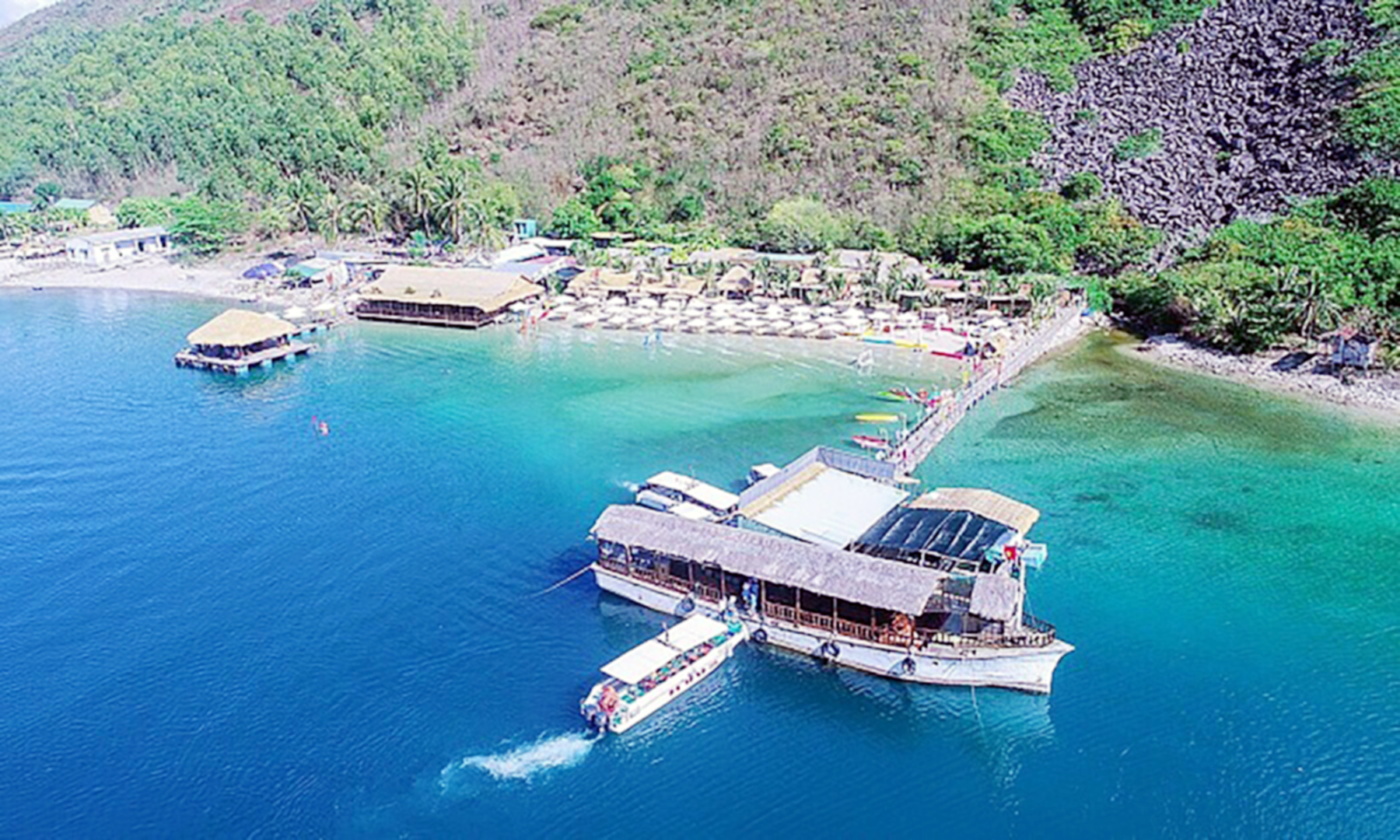
Still largely unspoilt and peaceful, Robinson Island captivates visitors with its crystal-clear waters, beautiful natural surroundings and relaxing seaside atmosphere. It is also a wonderful spot to admire both the sunrise and the last golden rays of sunset over Nha Trang Bay.

Its relatively wide beach, with a gentle slope into the sea, is ideal for swimming. The shallow waters near the shore provide a pleasant and reassuring setting for families and children to enjoy the sea.

(Photo: Archive)

Mineral Mud Bath

(Photo: Archive)

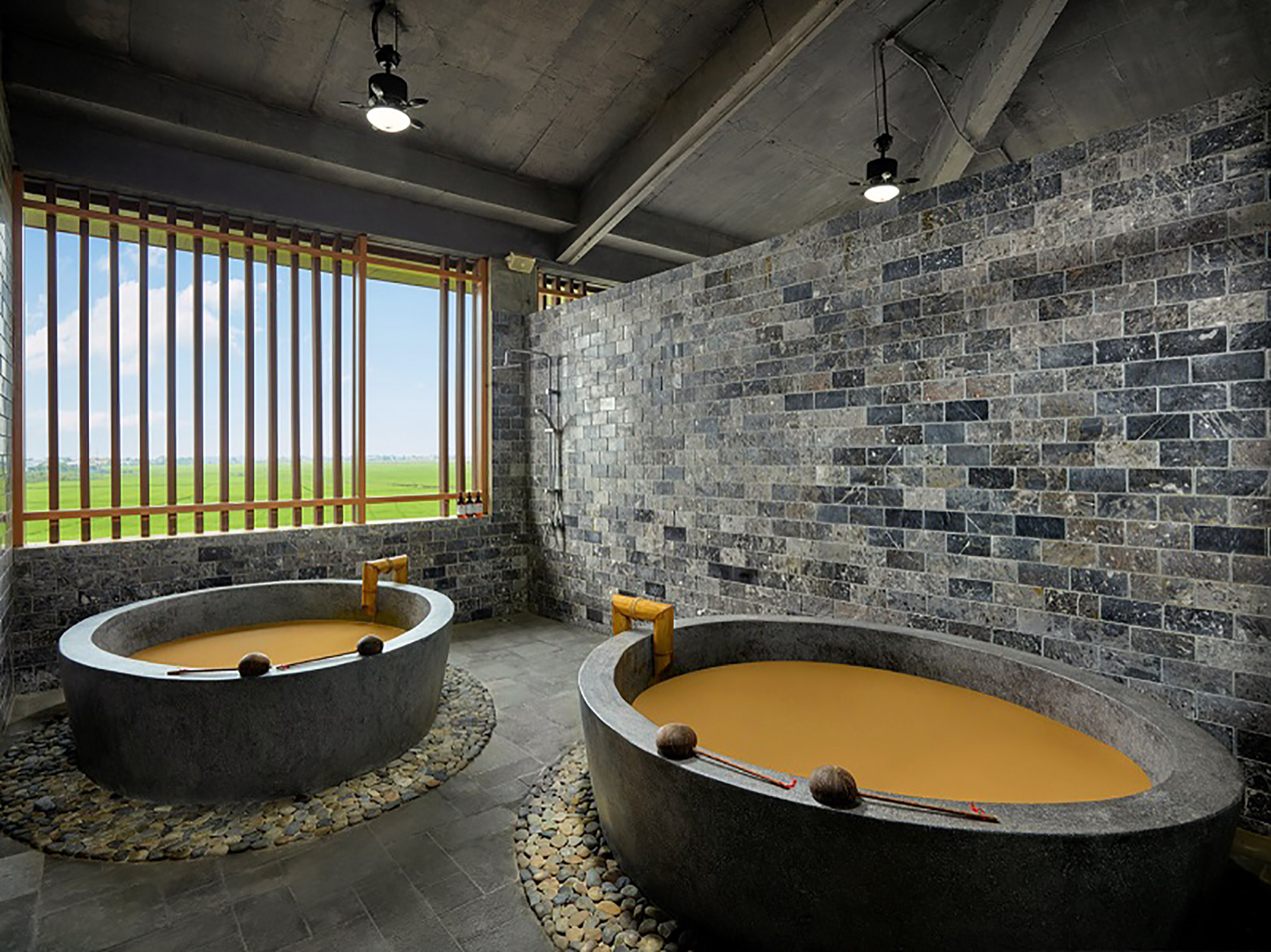
Nha Trang is renowned for its natural mineral mud baths, using mud sourced from deposits in Khánh Hòa Province. Rich in minerals and trace elements such as iron, manganese and zinc, the mud is carefully filtered before use.

Primarily appreciated for its relaxing properties, a mineral mud bath offers a soothing wellness experience while helping to care for the skin.

  • Cleanse and Soften the Skin

    Mineral mud helps remove impurities and dead skin cells, leaving the skin feeling softer, smoother and more pleasant to the touch.

  • Nourish and Care for the Skin

    Thanks to its natural mineral content, mineral mud can help nourish the skin and provide a soothing sensation, particularly for sensitive skin or skin prone to mild irritation.

  • Relieve Muscle and Joint Tension

    Combined with warmth and hydrotherapy, mineral mud baths help promote muscle relaxation and provide a pleasant feeling of lightness, especially after a long day of sightseeing.

  • Relax and Reduce Stress

    As the body is immersed in warm mineral mud, tension gradually melts away. This soothing experience is ideal for easing fatigue, unwinding and enjoying a peaceful moment of relaxation.

In Nha Trang, mineral mud bathing has become a popular wellness experience, offering travellers a wonderful balance of sightseeing, relaxation and enjoyment during their stay.

Po Nagar Cham Towers

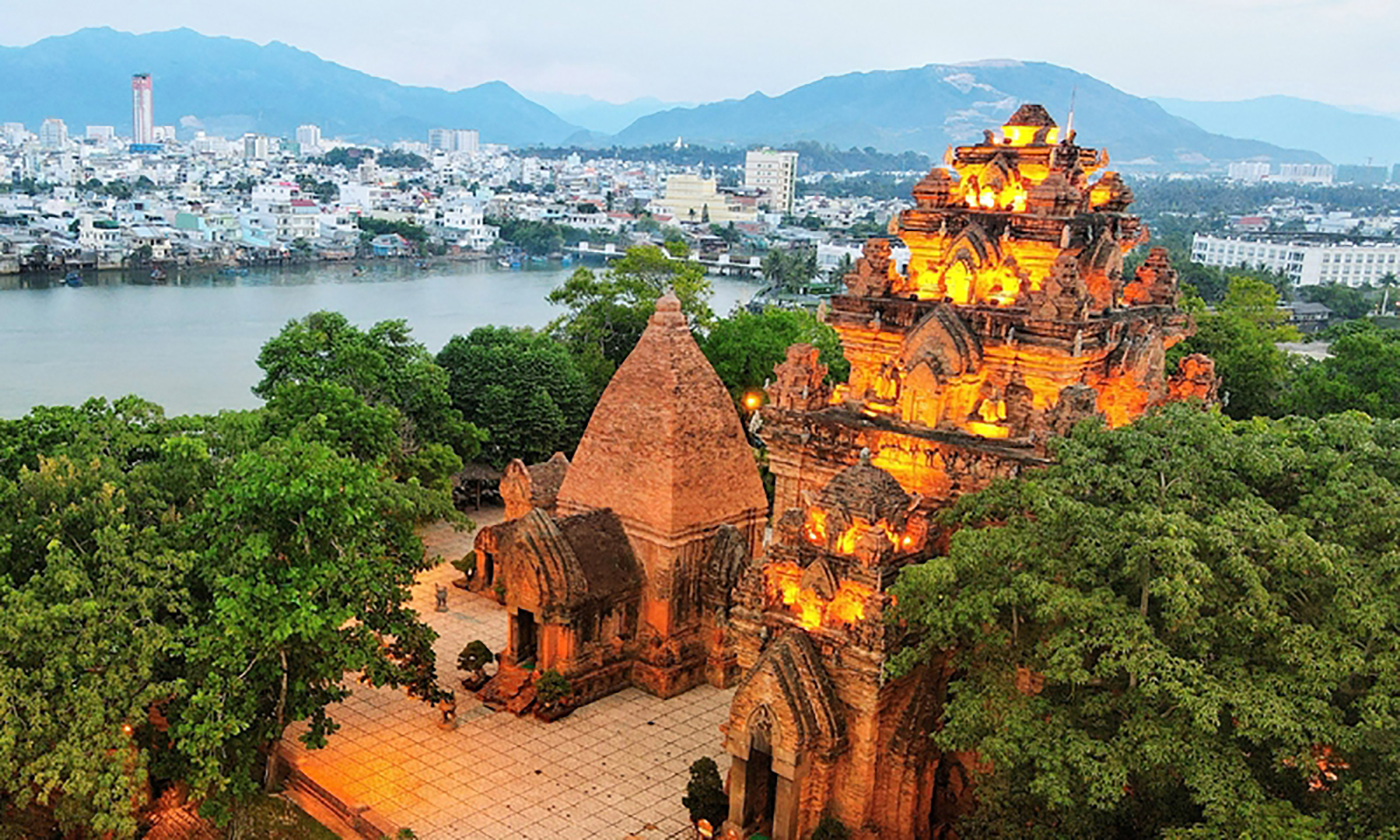
Built between the 7th and 13th centuries, the Po Nagar temple complex is one of the most remarkable examples of Cham civilisation in Nha Trang. It was dedicated to the goddess Po Ina Nagar, revered by the Cham people as the Mother of the Kingdom and the protector of the land, harvests and local communities.

Today, the name “Po Nagar” refers to the entire temple complex, although it originally designated the main tower, which stands approximately 23 metres high. Influenced by Hinduism, the site reflects the rich cultural and religious heritage of the ancient Champa Kingdom. The goddess is also represented here as Uma, the consort of Shiva.

Even today, the Po Nagar Cham Towers hold an important place in the spiritual life of the Cham community. Their elegant yet mysterious brick architecture represents one of the finest surviving examples of Cham art in Vietnam. The site was officially recognised as a National Historical and Cultural Monument in 1979.

(Photo: Archive)

Yang Bay Waterfall

(Photo: Archive)

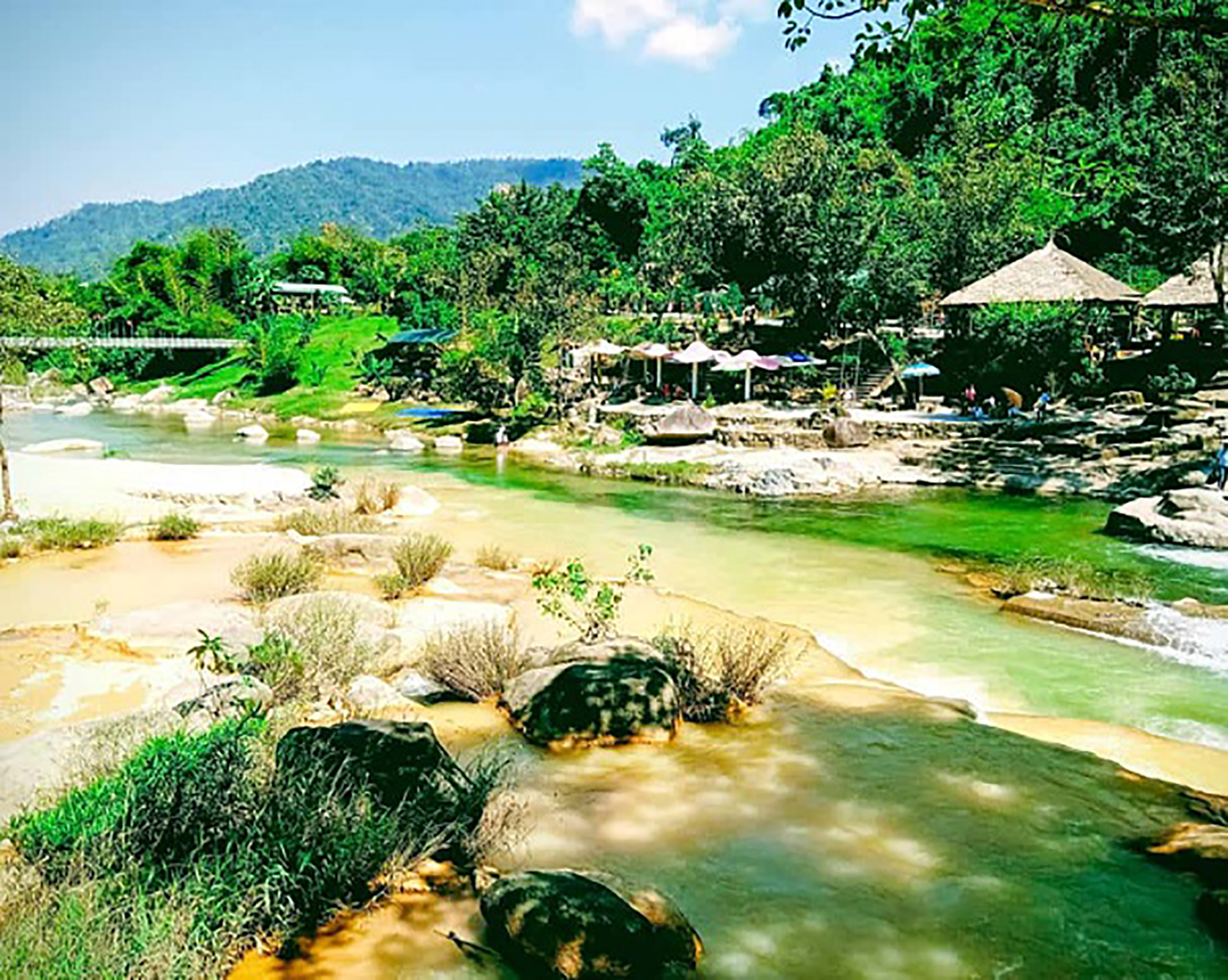
In the Ra Glai language, “Yang Bay” means “Heavenly Waterfall”. Nestled in the heart of a vast valley surrounded by mountains and forests, the area is home to several waterfalls, including Yang Bay, Ho Cho and Yang Khang.

Yang Bay, the largest of them, stretches for more than 2 kilometres and reaches a height of nearly 80 metres in some sections. Thanks to its unspoilt natural surroundings, the area enjoys a pleasant and refreshing climate throughout the year.

Originating high on Mount Giakang, at an elevation of nearly 1,000 metres, the waterfall flows through the forest before splitting into several streams. One joins Yang Khang Waterfall and feeds the large lake below, while another merges with a natural hot spring, creating a pleasant warm-water pool in the heart of the mountains.

Nha Trang Institute of Oceanography

Founded in 1922 under French colonial administration, the Nha Trang Institute of Oceanography is one of Vietnam’s oldest marine research centres. Today, it is also a fascinating place to visit for those wishing to discover the richness and diversity of the country’s marine life.

(Photo: Archive)

  • Marine Biodiversity Museum

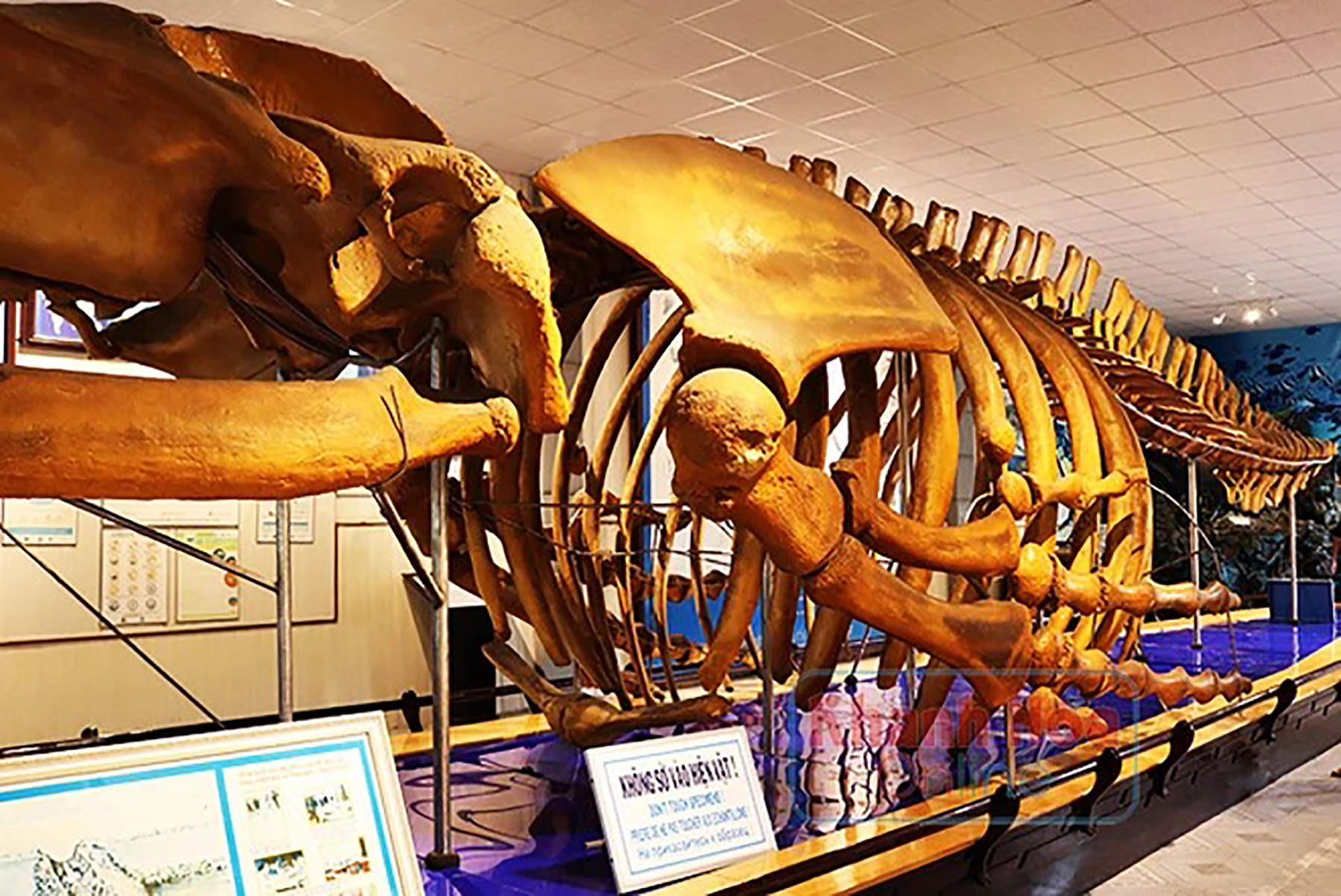
The museum houses an extensive collection of marine and freshwater specimens from different regions of Vietnam and Southeast Asia. Fish, corals, seashells and many other species offer visitors a fascinating insight into the extraordinary diversity of aquatic life.

  • Impressive Collections

Among the museum’s most remarkable exhibits is an enormous whale skeleton, along with numerous rare and fascinating specimens. The visit is both entertaining and educational, making it particularly enjoyable for families and travellers curious about the marine world.