PHAN THIẾT

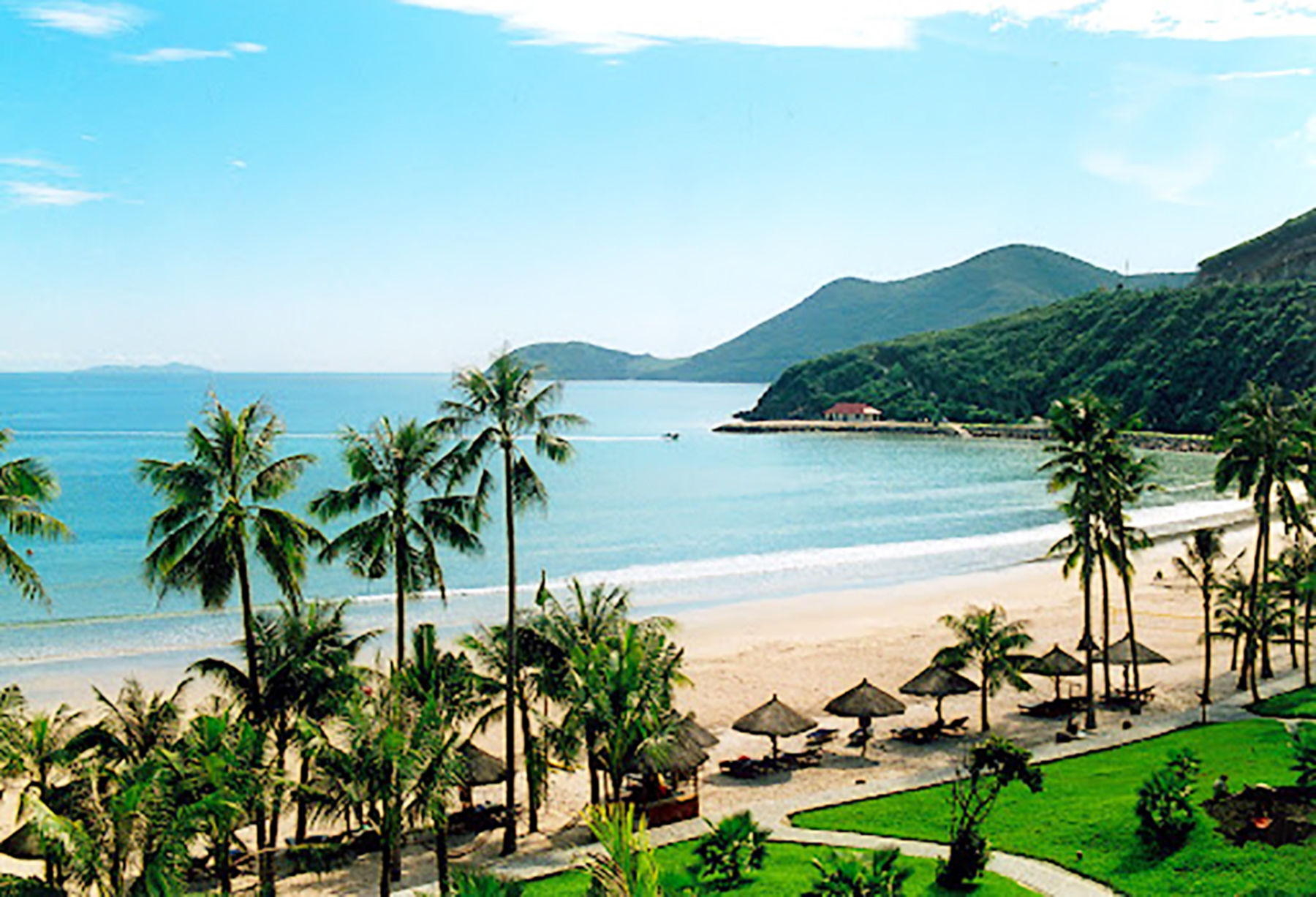
Located in the former Bình Thuận Province, approximately 200 km east of Ho Chi Minh City, Phan Thiết is easily accessible by road. Today, it is one of the most popular seaside destinations in southern Vietnam.

Nguyễn Đình Chiểu Street, in the Hàm Tiến area, has become one of the liveliest tourist districts in Phan Thiết. On one side, the beach stretches alongside numerous hotels, resorts and small guesthouses, while the other is lined with restaurants, cafés, souvenir shops, scooter rental services and other businesses catering to travellers.

Popular with international visitors, the area offers a relaxed and cosmopolitan atmosphere. Travellers can enjoy everything from Vietnamese seafood restaurants to Italian, European and international cuisine, as well as a variety of bars and cafés where they can unwind and socialise at the end of the day.

(Photo: Archive)

Best Time to Visit Phan Thiết

The best time to visit Phan Thiết is from March to July, when the weather is generally at its most pleasant for sightseeing and exploring the area.


Places to Visit in Phan Thiết

Mui Né

(Photo: Archive)

Mũi Né is a famous seaside destination in Phan Thiết, in the former Bình Thuận Province. Its name is believed to originate from the traditions of local fishermen: “Mũi” refers to a headland extending into the sea, while “Né” suggests seeking shelter from storms.

Recognised as a national tourism area in 2018, Mũi Né is particularly popular for its long sandy beaches, sun-drenched coastline and spectacular sand dunes, which create some of the most iconic landscapes in the region.
Hòn Rom

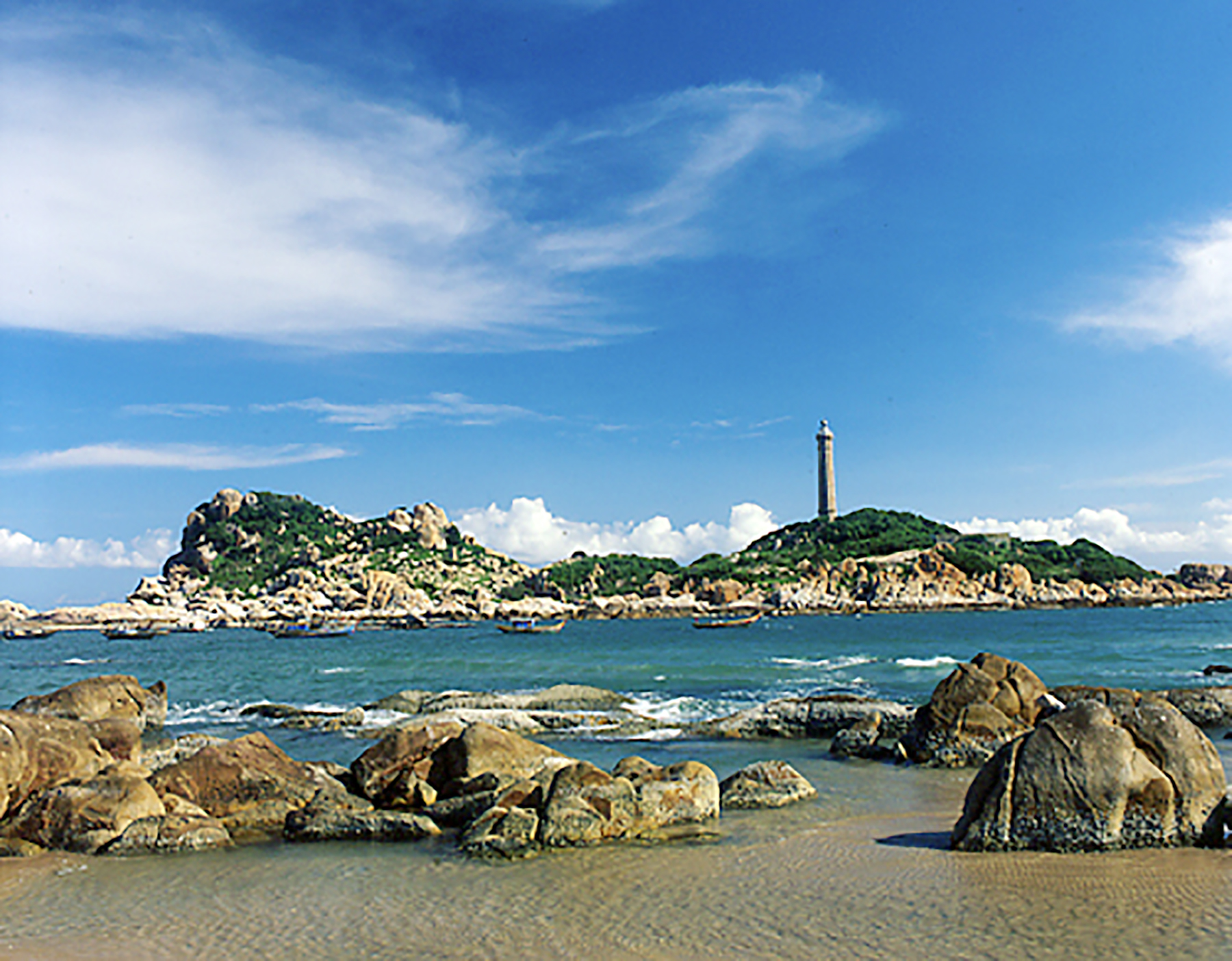
Hòn Rơm is a peaceful seaside destination located near Mũi Né. Less crowded than the larger tourist areas nearby, it charms visitors with its unspoilt natural scenery, quiet beaches and relaxing atmosphere.

Despite its name, Hòn Rơm is not an isolated offshore island but a small headland extending into the sea and connected to the mainland. Surrounded by sandy beaches and rolling sand hills, it offers a beautiful setting for enjoying the sea away from the hustle and bustle of busier tourist destinations.

(Photo: Archive)

Mui Né’s Shifting Sand Dunes

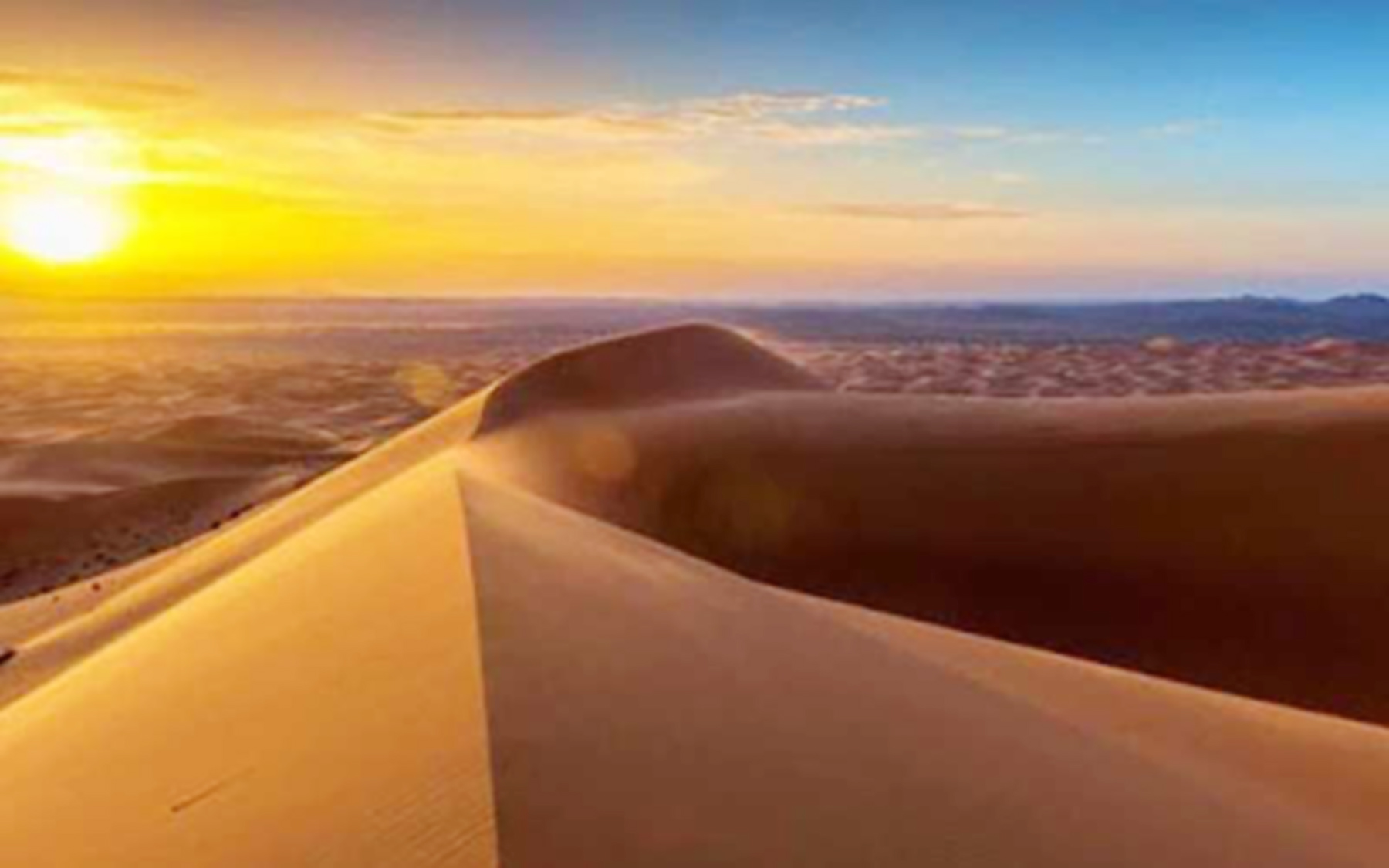
The famous sand dunes of Mũi Né owe their name to their constantly changing landscape. Shaped by the wind, the dunes continuously shift in form and contour throughout the day, creating an ever-changing scenery that offers visitors a different view with every visit.

(Photo: Archive)

The sand also displays a remarkable variety of colours, ranging from pale yellow to reddish-orange, sometimes mixed with darker shades. This rich palette of natural colours has inspired local artisans, who use different types of sand to create delicate and intricate sand paintings.

With their graceful curves and almost desert-like landscapes, the sand dunes of Mũi Né are among the most iconic natural attractions in the region.

Cô Thach Beach

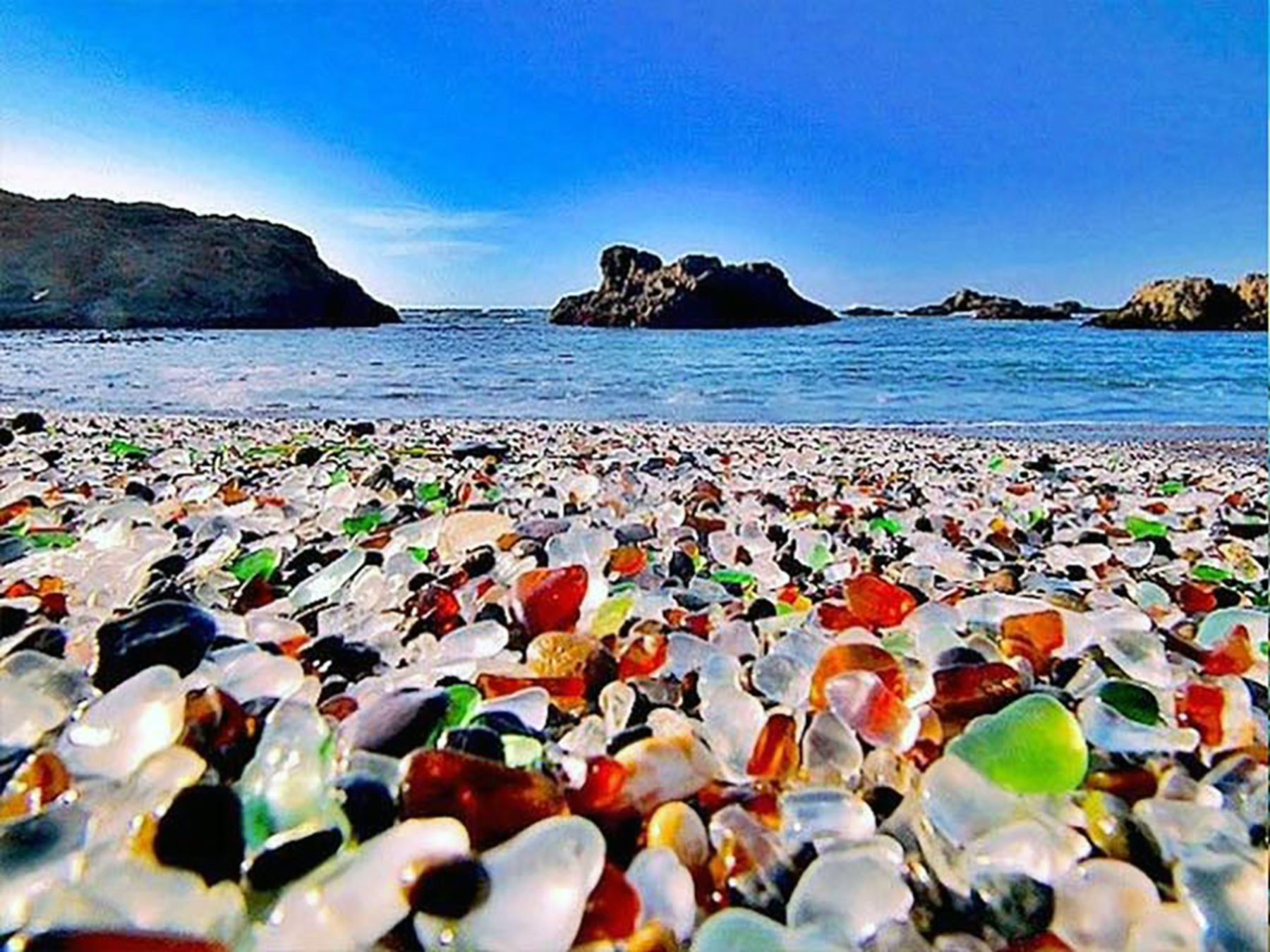
Cổ Thạch Beach, located in the former Bình Thuận Province, captivates visitors with its unspoilt natural beauty and extraordinary variety of pebbles in different shapes and colours. Naturally polished by the sea over time, these colourful stones have earned the beach the nickname “Seven-Coloured Pebble Beach”.

Between February and March, a delicate layer of green moss covers some of the coastal rocks, creating a striking and photogenic contrast with the sea and colourful pebbles. During this season, Cổ Thạch takes on an almost magical atmosphere, attracting numerous photography enthusiasts.

(Photo: Archive)