BUÔN MA THUỘT

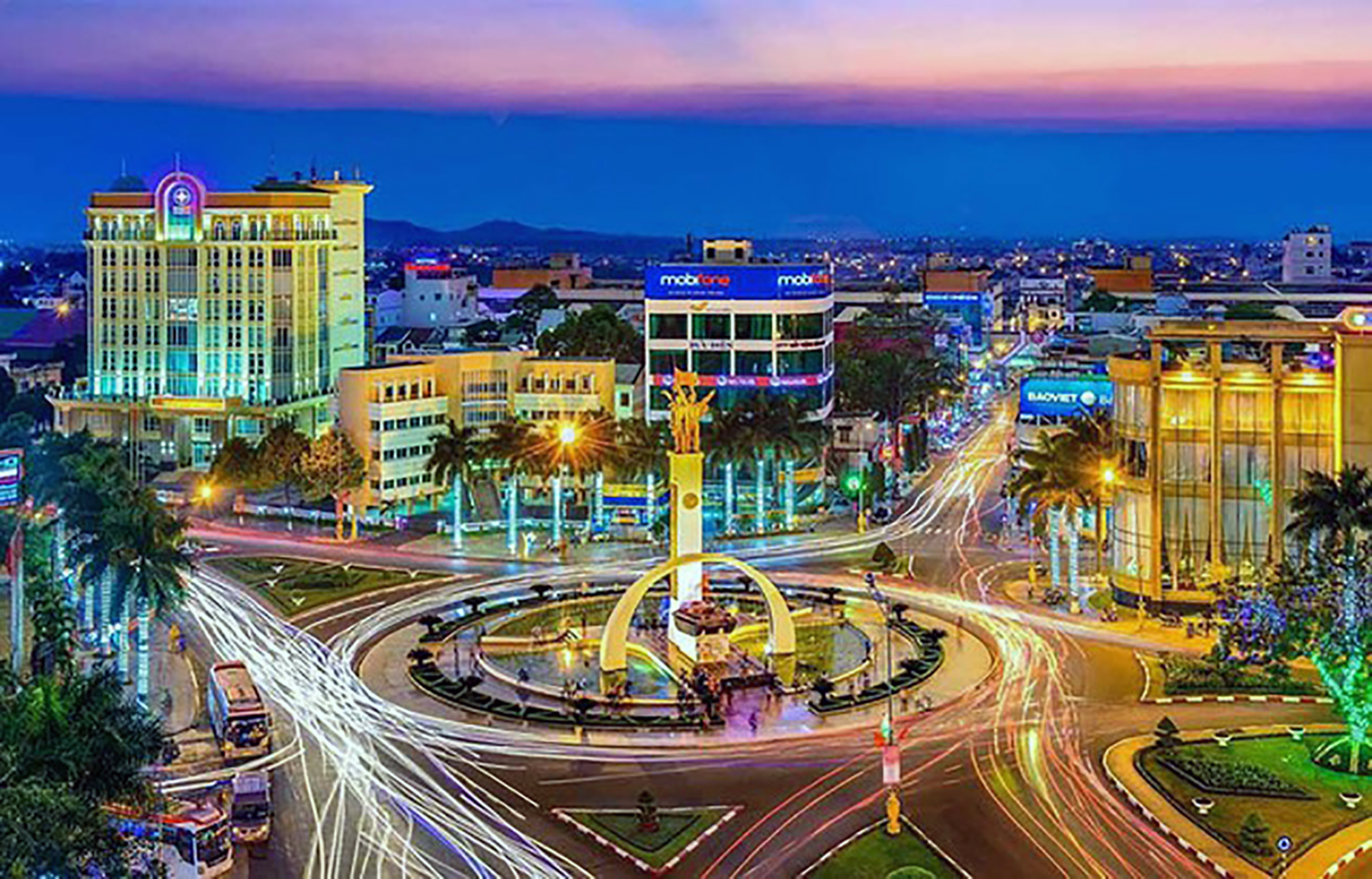
Buôn Ma Thuột, formerly also known as Ban Mê Thuột or Buôn Mê Thuột, is the main urban centre of Vietnam’s Central Highlands and the heart of Đắk Lắk Province.

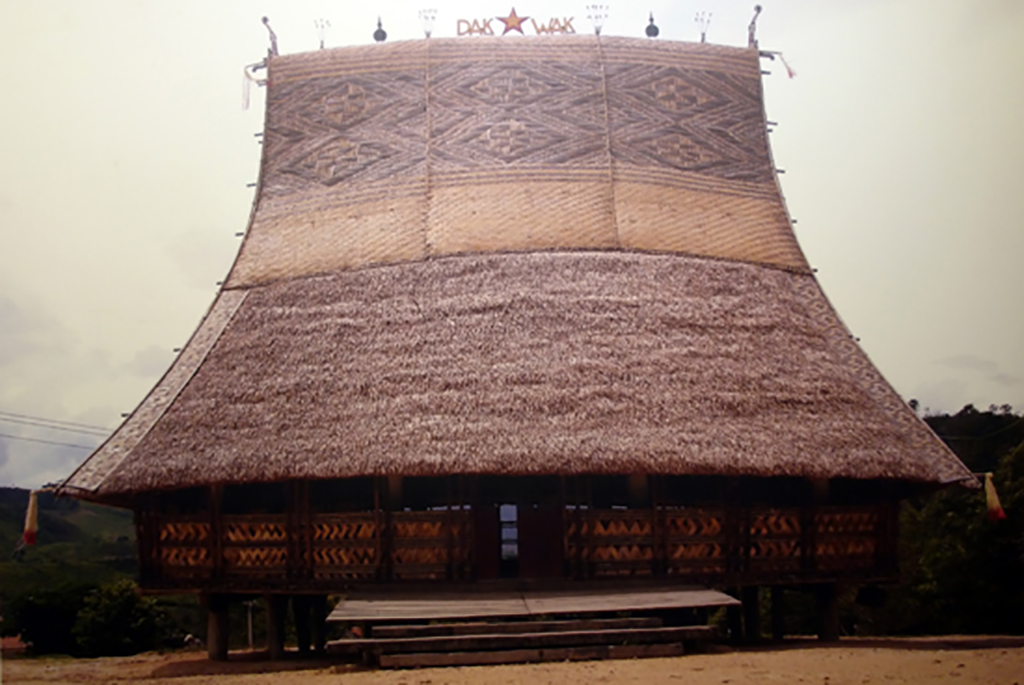
Originally, the region was mainly inhabited by the Ê Đê people, whose traditional villages were established along waterways and were known for their distinctive longhouses. Even today, several villages around Buôn Ma Thuột offer visitors the opportunity to discover their traditional architecture, cultural heritage and way of life, particularly Akô Dhông Village.

(Photo: Archive)

Buôn Ma Thuột is best known as the “Coffee Capital” of Vietnam. Thanks to the favourable climate and fertile basaltic soils of the Central Highlands, the region produces coffee renowned for its distinctive character and rich, intense aromas.

Coffee is an essential part of everyday life here. From vast coffee plantations to small local cafés, the region’s traditions reflect the important role coffee cultivation plays in the cultural identity of Buôn Ma Thuột.


Best Time to Visit Buôn Ma Thuột

Buôn Ma Thuột can be visited all year round, with each season offering its own unique charm.


Places to Visit in Buôn Ma Thuột

Lak Lake

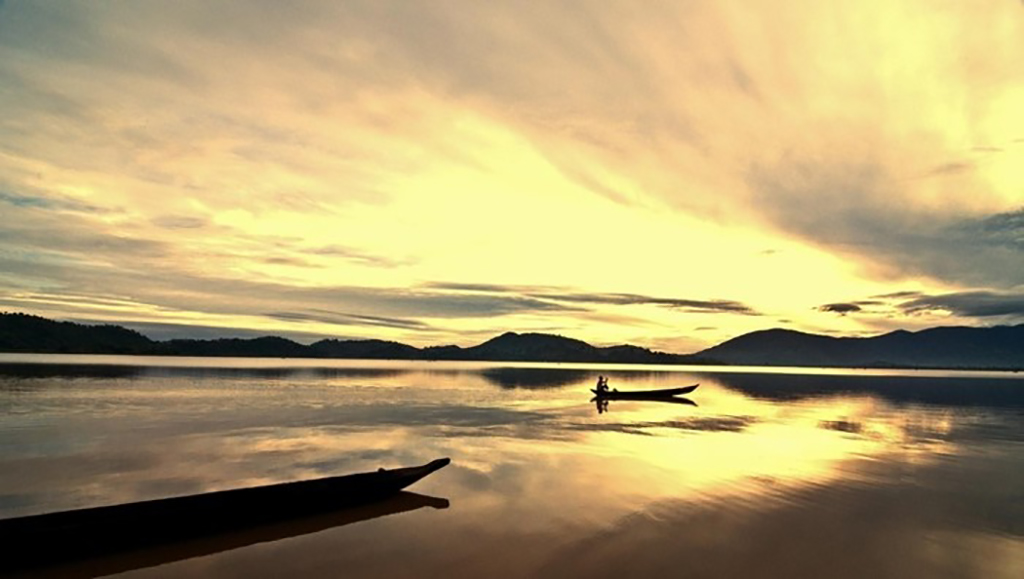
Located approximately 50 km south of Buôn Ma Thuột, Lắk Lake is one of the largest natural lakes in Vietnam. Surrounded by mountains, forests and traditional villages, it offers a peaceful and unspoilt landscape in the heart of the Central Highlands.

According to a legend of the M’Nông people, the lake is associated with Lắk Liêng, a young hero who set out in search of water to save his village from drought. Even today, the lake plays an important role in the daily lives of the local communities living along its shores.
(Photo: Archive)

Several M’Nông villages are located around the lake, including Jun, M’Liêng and Lê, where traditional longhouses and many ancestral customs have been preserved. Visitors can discover local handicrafts, traditional dances, gong performances and various musical instruments characteristic of the Central Highlands.

A peaceful ride in a traditional dugout canoe across the lake offers a wonderful opportunity to enjoy the tranquillity of the surroundings and admire the beautiful landscapes, especially in the early morning or late afternoon.
Buôn Dôn

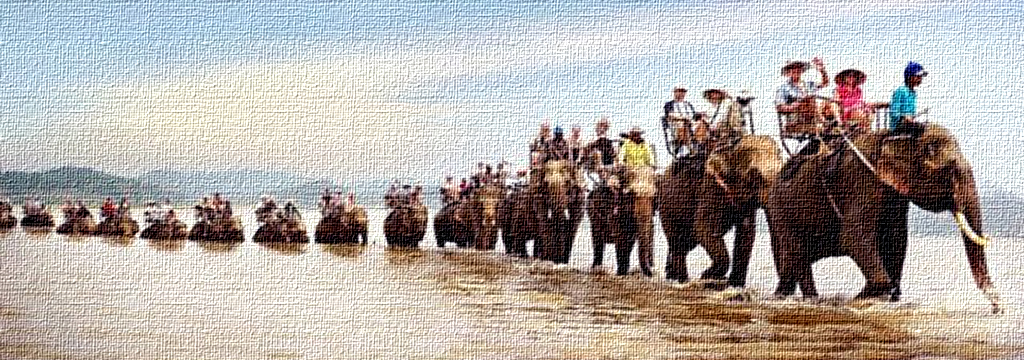
Located approximately 50 km northwest of Buôn Ma Thuột, Buôn Đôn is one of the most iconic destinations in Vietnam’s Central Highlands. Its name means “Island Village”, referring to the traditional settlements once established on the small islands of the Sêrêpôk River. In the past, the region was also an important trading crossroads for communities from Vietnam, Laos and Cambodia.

Buôn Đôn captivates visitors with its beautiful river and forest landscapes, suspension bridges, traditional stilt houses and fascinating stories of the legendary elephant hunters and trainers of the past. Among its historical attractions is the tomb of Khunjunob, often referred to as the “King of Elephants”.

(Photo: Archive)

Nearby lies Yok Đôn National Park, one of the largest protected natural areas in Vietnam. Its forests are home to rich biodiversity and provide an ideal setting for exploring nature and discovering the cultural traditions of the Ê Đê, M’Nông and other ethnic communities of the Central Highlands.

Buôn Đôn is therefore a fascinating destination for travellers wishing to combine beautiful natural landscapes, local traditions and an insight into the unique history of this remarkable region.

World Coffee Museum

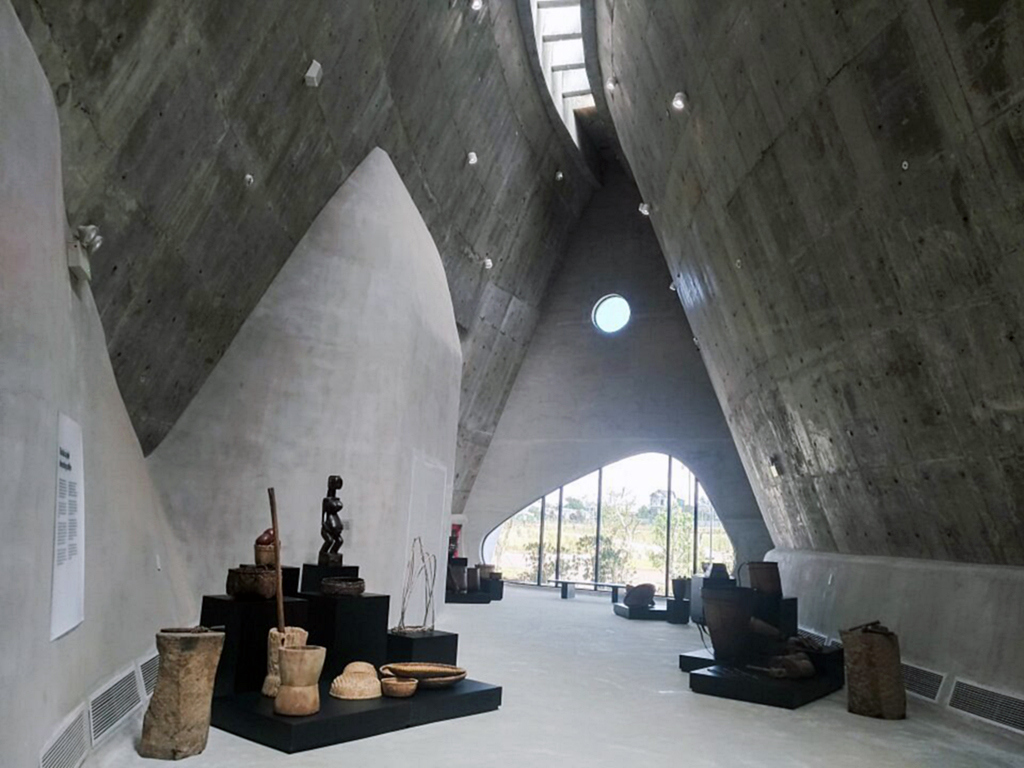
Located in Buôn Ma Thuột, the World Coffee Museum is dedicated to the history and diverse coffee cultures of Vietnam and around the world.

The museum houses an extensive collection of artefacts, machines and tools related to coffee cultivation, processing and preparation. Part of its collection comes from the former Burg Coffee Museum in Germany.

(Photo: Archive)

Through its exhibition galleries, visitors can explore the evolution of coffee throughout history, its production methods and the coffee traditions of major producing countries such as Ethiopia, Brazil and Jamaica.

The museum also showcases various aspects of the cultural heritage of Vietnam’s Central Highlands, highlighting the close connection between coffee, the land and local communities.

With its distinctive architecture and modern exhibitions, the World Coffee Museum offers visitors a fascinating opportunity to understand why Buôn Ma Thuột is known as the “Coffee Capital” of Vietnam.


Thủy Tiên Waterfall

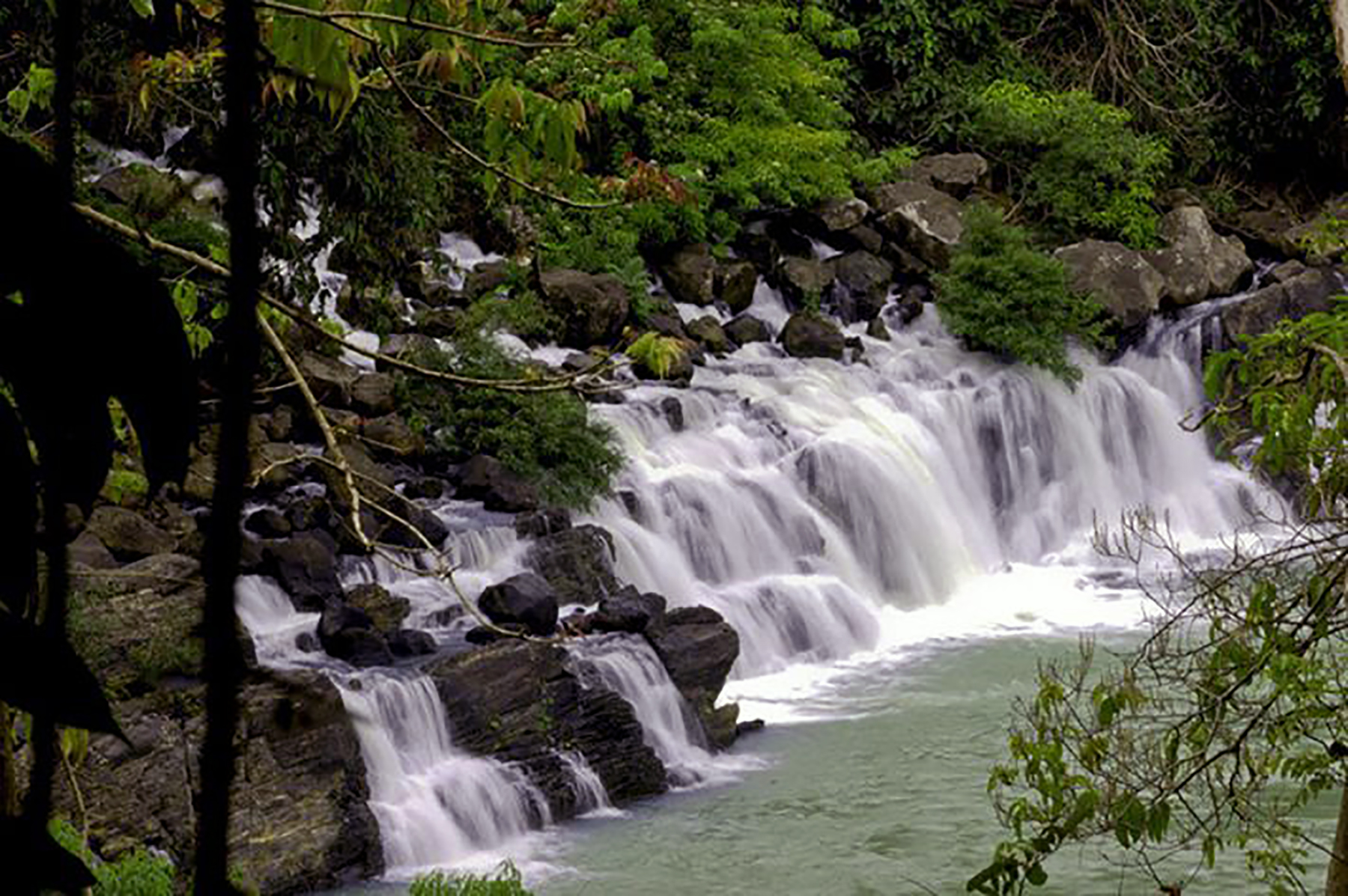
Nestled in the heart of a lush green forest, Thủy Tiên Waterfall cascades over several rocky tiers and is often referred to as the “Three-Tier Waterfall”.

The first tier flows gently between the rocks, while the second forms several small natural pools in a peaceful setting. The third tier is more spectacular, with water plunging into a deep pool and creating beautiful white foam.

Surrounded by dense, unspoilt vegetation, Thủy Tiên Waterfall offers visitors a peaceful retreat where they can enjoy the refreshing forest

(Photo: Archive)

atmosphere and discover one of the distinctive natural landscapes of Vietnam’s Central Highlands.


Dray Sáp, Dray Nur and Gia Long Waterfalls

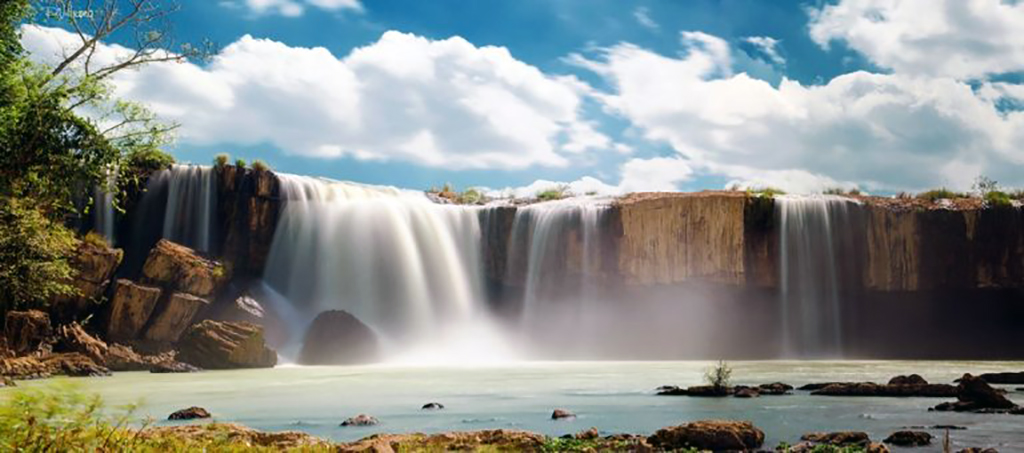
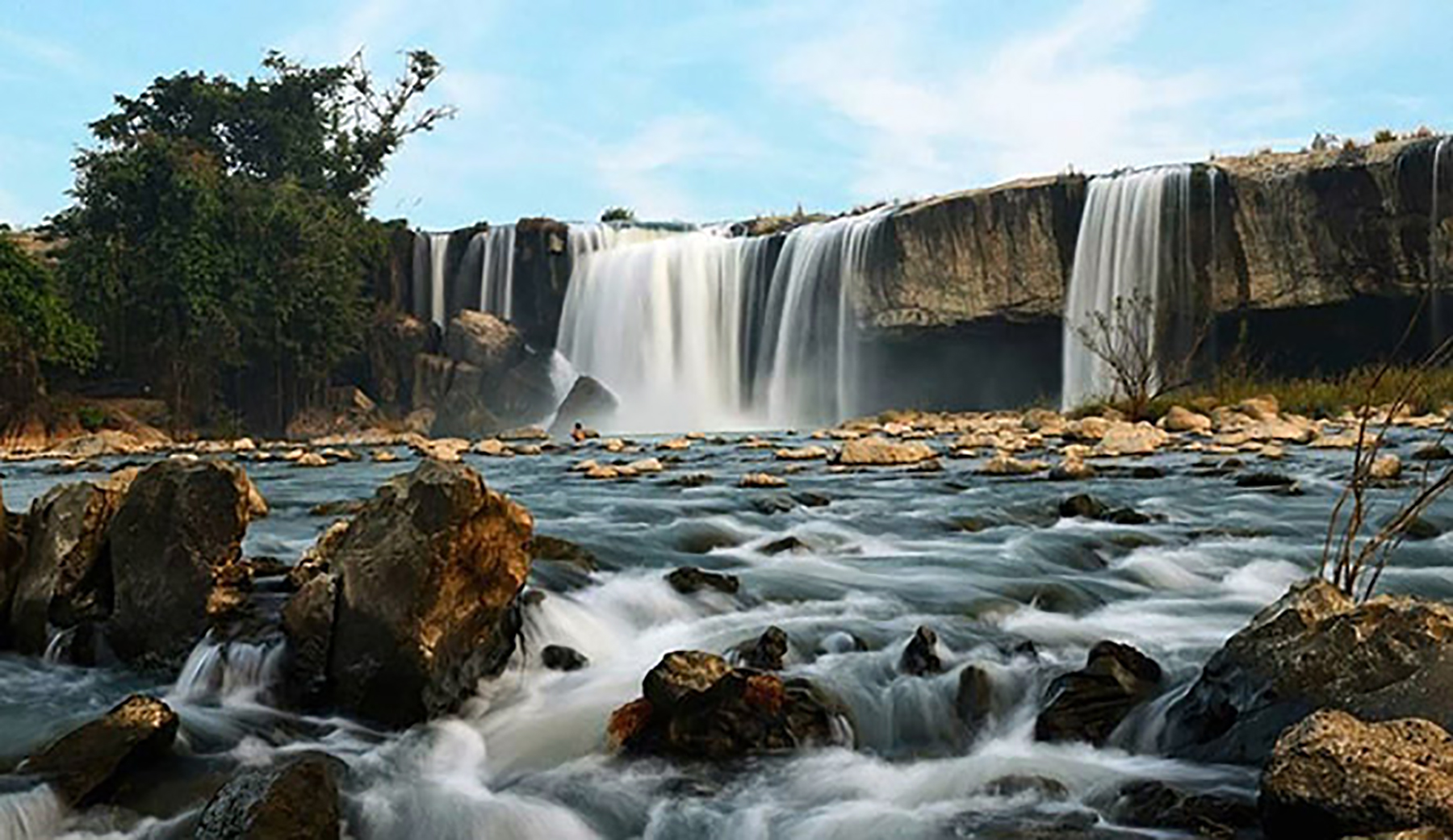
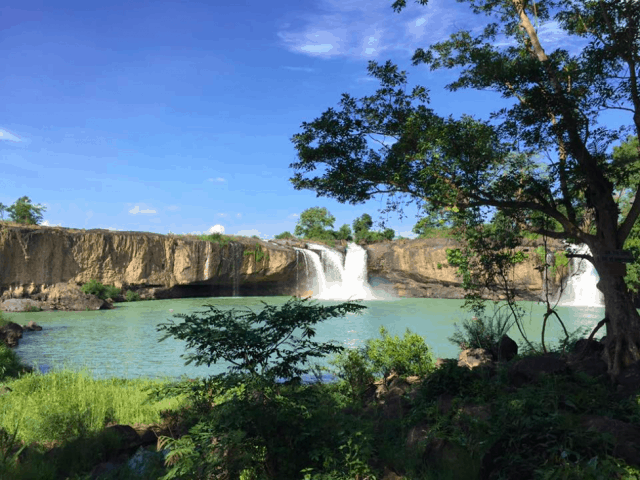
Dray Sáp, Dray Nur and Gia Long Waterfalls are among the most impressive natural attractions in Vietnam’s Central Highlands. Fed by the waters of the Sêrêpôk River, each waterfall has its own distinctive character, with powerful cascades, dramatic basalt cliffs and lush green forests.

According to a local legend, Dray Sáp and Dray Nur are connected to the tragic love story of a young couple whose families prevented them from being together. For this reason, the two waterfalls are sometimes referred to as the “Husband Waterfall” and the “Wife Waterfall”.

Dray Sáp Waterfall (Photo: Archive)

Dray Sáp Waterfall

Its name means “Smoke Waterfall”, referring to the cloud of fine mist that rises as the water crashes against the rocks below. Surrounded by dense forest, Dray Sáp offers a wild and majestic natural landscape.

Dray Nur Waterfall (Photo: Archive)

Dray Nur Waterfall

Also known as the “Wife Waterfall”, Dray Nur forms a wide curtain of water that cascades powerfully through a lush tropical forest. The mist rising from the falls, combined with the reflections of sunlight, sometimes creates a particularly breathtaking and magical atmosphere.

Gia Long Waterfall (Photo: Archive)

Gia Long Waterfall

Also known as Dray Sáp Thượng, Gia Long Waterfall is distinguished by its unspoilt natural surroundings and impressive rock formations. Downstream, the water forms several natural pools surrounded by lush vegetation, creating a peaceful landscape in the heart of the forest.

Exploring these three waterfalls offers visitors a wonderful opportunity to experience the wild beauty of Vietnam’s Central Highlands, where cascading waters, lush forests and volcanic rock formations come together to create some of the region’s most distinctive natural landscapes.